Growing your own food is one of the most rewarding ways to connect with nature, eat fresh, and add life to your kitchen. If you’re new to gardening, starting a kitchen garden can feel overwhelming—but it doesn’t have to. With the right plants, even beginners can enjoy a steady harvest with minimal effort.
Here are 12 beginner-friendly plants that thrive in small spaces, containers, or garden beds—and keep on giving throughout the season.
1. Basil
Basil is a must-have herb for any kitchen garden. Its aromatic leaves elevate everything from pasta to salads.
Why it’s beginner-friendly:
- Fast-growing and resilient
- Thrives in pots or garden beds
- Responds well to regular pruning (pinching encourages bushier growth)
Tips: Keep basil in bright light and water consistently. Harvest leaves before flowering for the best flavor.
Latest Posts
- With Just 1 Bottle of Water How I Was Shocked by What Happened When Growing Vegetables
- Maximize Your Home Garden with the Hanging Pea Sprout Growing Model – Space-Saving, High-Yield, and Easy-to-Manage Vertical Gardening Solution
- Just Water – The Secret to Growing Plump, White Peanut Sprouts Right at Home: A Step-by-Step Guide for Beginners
- Growing Zucchini at Home in a Container: How to Cultivate Large, Long Fruits with a 1-to-72 Day Step-by-Step Diary for Maximum Yield
- Grow Long Beans on the Terrace in Used Recycling Baskets: The Ultimate Guide to Easy, Space-Saving, and High-Yield Terrace Gardening
- How to Grow Tons of Long Beans Easily Without a Garden – A Complete Guide to Growing Healthy Yardlong Beans Without Fertilizers or Pesticides
- Easy Long Bean Growing Trick – No Garden, No Fertilizer, No Pesticide
- Grow Bitter Melon in Bottles — Harvest So Big You Can’t Eat It All! The Ultimate Guide to Bottle Gardening for Maximum Yields
- Growing Garlic Made Easy: No Soil, Fast Results – The Ultimate Guide to Growing Fresh Garlic Indoors Without Traditional Soil
- Wall-Mounted Hydroponic Watermelon System: Grow Large, Juicy, and Delicious Watermelons at Home with Minimal Space and Maximum Yield
2. Mint
Mint is nearly impossible to kill, making it ideal for beginners. Its invigorating scent and flavor enhance teas, desserts, and savory dishes.
Growing tip:
- Grow in containers—mint spreads aggressively and can overtake other plants if planted directly in the ground.
- Trim frequently to encourage new growth.
3. Rosemary
This fragrant herb adds a Mediterranean flair to cooking and requires minimal care.
Why it works for beginners:
- Drought-tolerant
- Thrives in sunny spots with well-draining soil
- Can be kept in pots indoors or outdoors
Harvest sprigs as needed—avoid cutting more than a third of the plant at once.
4. Chives
Chives are fast-growing and hardy, providing tender onion-flavored stalks for salads, eggs, or soups.
Tips for success:
- Grow in full sun but tolerate partial shade
- Harvest by cutting stems at the base; they’ll regrow quickly
- Ideal for container or window gardens
Chives also produce edible purple flowers that attract pollinators.
5. Lettuce
Leafy greens like lettuce are perfect for quick, continuous harvests.
Why lettuce is beginner-friendly:
- Grows quickly, often ready in 30–45 days
- Thrives in containers or garden beds
- Harvest outer leaves regularly for ongoing growth (“cut-and-come-again”)
Choose varieties suited to your climate—loose-leaf types are easiest for beginners.
6. Spinach
Spinach is nutrient-rich and versatile, perfect for salads, smoothies, and cooking.
Growing tips:
- Prefers cooler weather but can tolerate some heat
- Quick-growing; harvest leaves early for tender greens
- Sow seeds every few weeks for continuous production
Spinach’s compact growth makes it ideal for small gardens or pots.
7. Tomatoes
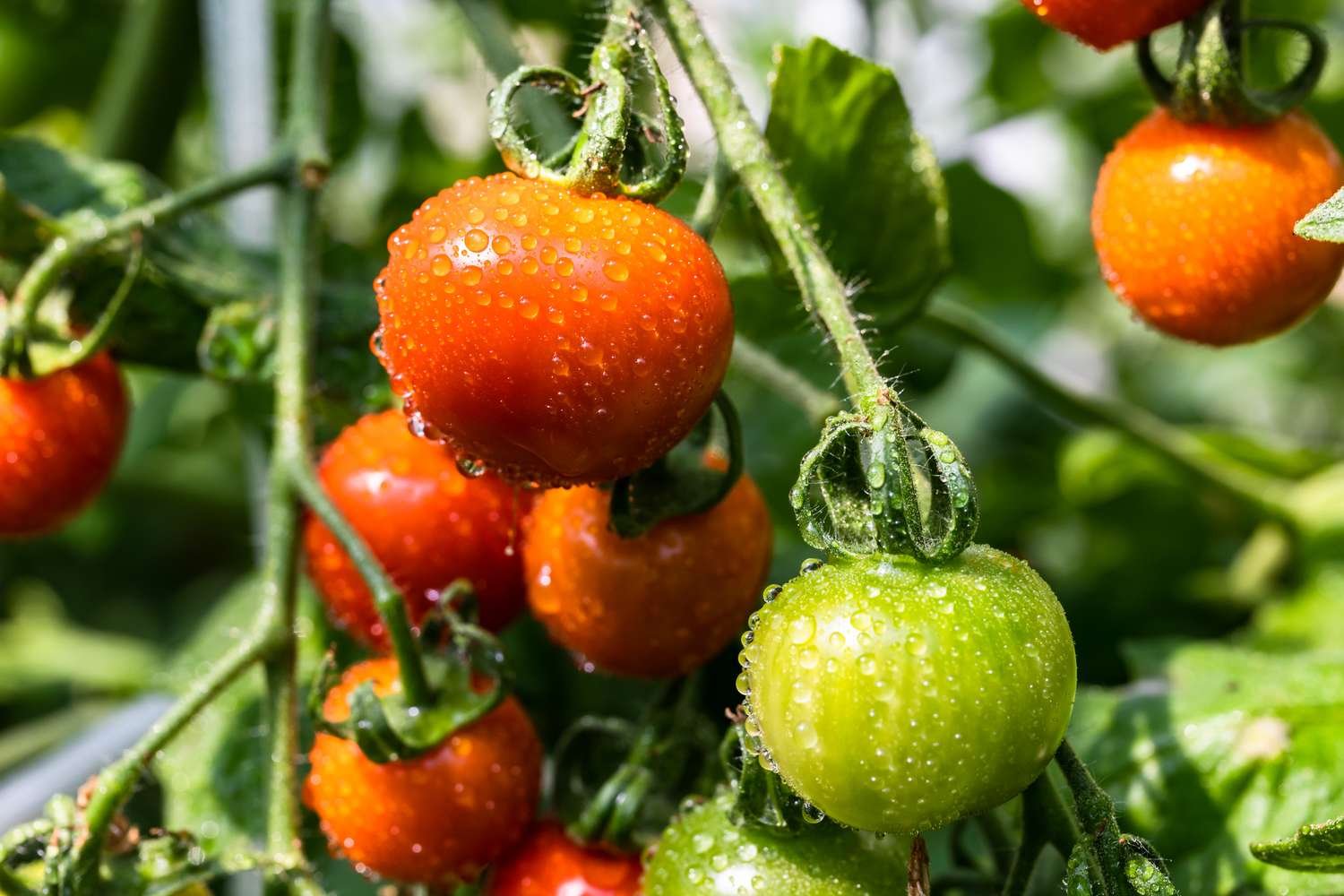
Nothing beats homegrown tomatoes for flavor and freshness. Cherry and small varieties are particularly easy for beginners.
Tips:
- Use containers or raised beds with full sun
- Stake or cage plants for support
- Water consistently, avoiding wetting leaves to reduce disease
Harvest regularly to encourage continued flowering and fruit production.
8. Peppers
Peppers—both sweet and mild hot varieties—are productive and beginner-friendly.
Why they’re great for kitchen gardens:
- Compact plants suitable for pots or small garden beds
- Long fruiting season if harvested regularly
- Minimal maintenance: moderate water and full sun
Peppers thrive in warm climates and respond well to fertilization every few weeks.
9. Green Beans
Green beans are fast-growing and highly productive, perfect for fresh meals or freezing.
Growing tips:
- Bush varieties are easiest for beginners; pole beans need support
- Sow seeds directly into well-draining soil
- Pick beans when they’re young and tender for continuous production
Regular harvesting encourages the plant to produce more pods.
10. Zucchini
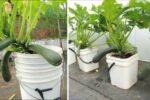
Zucchini is a prolific vegetable, giving multiple harvests throughout the season.
Why it’s beginner-friendly:
- Thrives in full sun with well-drained soil
- High-yielding; even one plant can supply a family
- Harvest when fruits are small for better flavor and ongoing growth
Zucchini spreads quickly, so allow space or consider containers for control.
11. Strawberries
Fresh strawberries are rewarding and surprisingly easy for beginners.
Tips for beginner gardeners:
- Choose everbearing varieties for multiple harvests in one season
- Plant in containers, raised beds, or hanging baskets
- Keep soil consistently moist and mulch to retain moisture and reduce rot
Strawberries are low-maintenance but benefit from protection against birds and pests.
12. Garlic
Garlic is easy to grow and incredibly useful in the kitchen.
Why it’s beginner-friendly:
- Plant cloves in fall or early spring
- Low-maintenance and disease-resistant
- Harvest when leaves start to yellow; cure bulbs for long-term storage
Garlic multiplies each season if you save cloves for replanting.
Tips for a Productive Kitchen Garden
To ensure your beginner-friendly plants keep producing:
- Choose the right containers: Ensure pots have drainage holes to prevent root rot.
- Use quality soil: A nutrient-rich potting mix or garden soil keeps plants healthy.
- Water consistently: Most kitchen garden plants prefer evenly moist soil.
- Fertilize lightly: A balanced, slow-release fertilizer encourages continuous growth.
- Harvest regularly: Picking leaves, fruits, or vegetables often stimulates new growth.
- Rotate crops: Changing plant locations each season prevents soil depletion and disease buildup.
Benefits of a Kitchen Garden
Growing your own food comes with more than just flavor benefits:
- Freshness: Pick produce at peak ripeness for maximum taste.
- Cost savings: Reduce trips to the grocery store.
- Health: Encourage consumption of fresh vegetables and herbs.
- Sustainability: Minimize packaging and transportation emissions.
- Mental well-being: Gardening promotes relaxation and connection to nature.
Final Thoughts
Starting a kitchen garden doesn’t need to be complicated or intimidating. By choosing beginner-friendly plants like basil, mint, lettuce, tomatoes, and zucchini, even novice gardeners can enjoy a continuous harvest that enhances meals all season long. With consistent care, proper sunlight, and a little love, these plants can keep on giving, transforming your kitchen into a hub of fresh flavors and homegrown goodness.
Whether you’re working with a sunny windowsill, balcony, or backyard plot, these 12 plants are a perfect starting point for anyone eager to embrace the joy of growing their own food.