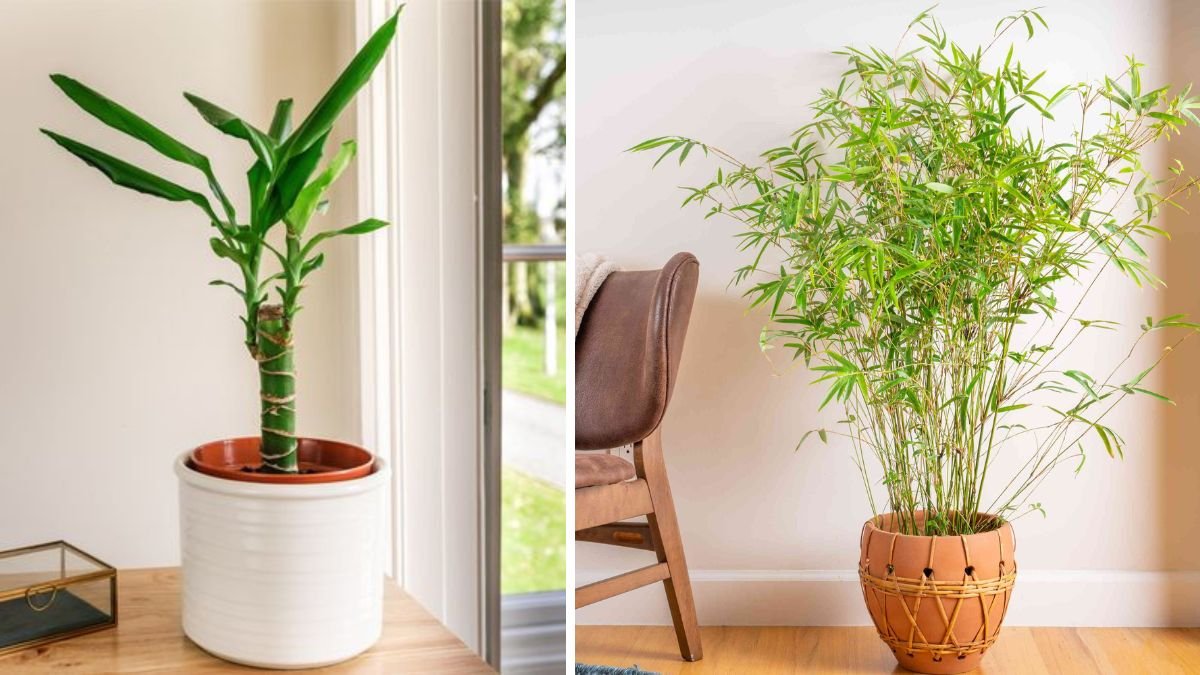
Lucky bamboo is one of the most popular houseplants in the world, prized for its elegant appearance, symbolic meaning, and easy care. However, many people struggle with thin, weak, or pale stems that never develop the sturdy, vibrant look seen in professional displays. The good news is that lucky bamboo (Dracaena sanderiana) can grow thick, strong stems when given the right conditions.
This article explains how to grow lucky bamboo properly, focusing on stem thickness, long-term health, and beautiful structure.
Understanding Lucky Bamboo Growth
Despite its name, lucky bamboo is not true bamboo. It belongs to the Dracaena family, which means it behaves more like a tropical houseplant than a grass. Its stems thicken slowly over time and respond strongly to:
- Light levels
- Water quality
- Spacing
- Nutrients
- Pruning techniques
Many thin-stem problems come from growing conditions that are too weak or too restrictive.
Choosing the Right Lucky Bamboo Stalks
Strong plants start with good material.
Latest Posts
- With Just 1 Bottle of Water How I Was Shocked by What Happened When Growing Vegetables
- Maximize Your Home Garden with the Hanging Pea Sprout Growing Model – Space-Saving, High-Yield, and Easy-to-Manage Vertical Gardening Solution
- Just Water – The Secret to Growing Plump, White Peanut Sprouts Right at Home: A Step-by-Step Guide for Beginners
- Growing Zucchini at Home in a Container: How to Cultivate Large, Long Fruits with a 1-to-72 Day Step-by-Step Diary for Maximum Yield
- Grow Long Beans on the Terrace in Used Recycling Baskets: The Ultimate Guide to Easy, Space-Saving, and High-Yield Terrace Gardening
- How to Grow Tons of Long Beans Easily Without a Garden – A Complete Guide to Growing Healthy Yardlong Beans Without Fertilizers or Pesticides
- Easy Long Bean Growing Trick – No Garden, No Fertilizer, No Pesticide
- Grow Bitter Melon in Bottles — Harvest So Big You Can’t Eat It All! The Ultimate Guide to Bottle Gardening for Maximum Yields
- Growing Garlic Made Easy: No Soil, Fast Results – The Ultimate Guide to Growing Fresh Garlic Indoors Without Traditional Soil
- Wall-Mounted Hydroponic Watermelon System: Grow Large, Juicy, and Delicious Watermelons at Home with Minimal Space and Maximum Yield
When buying lucky bamboo:
- Choose thicker stalks from the start
- Avoid yellowing or wrinkled stems
- Look for firm, green canes with healthy roots
Thin stalks rarely thicken dramatically later, so starting quality matters.

Light: The Key to Thick Stems
Light is the number one factor affecting stem strength.
Best Light Conditions
- Bright, indirect sunlight
- Near an east- or north-facing window
- Avoid direct midday sun
Low light causes:
- Thin, stretched stems
- Pale leaves
- Weak growth
If natural light is limited, a grow light used for 8–10 hours daily can dramatically improve thickness.
Water-Grown vs Soil-Grown Lucky Bamboo
Water-Grown
Pros:
- Clean appearance
- Easy maintenance
Cons:
- Slower growth
- Thinner stems over time
Use filtered or distilled water to avoid chlorine and fluoride.
Soil-Grown (Best for Thick Stems)
Pros:

- Faster growth
- Stronger, thicker canes
- Better nutrient access
Use well-draining potting soil and keep it lightly moist.
For maximum stem thickness, soil-grown lucky bamboo performs best.
Spacing and Container Size Matter
Crowded stalks compete for light and nutrients.
- Give each stalk enough space
- Use a wider container instead of tall narrow vases
- Avoid tying stems too tightly
Room to grow encourages stronger canes.
Feeding Lucky Bamboo Properly
Lucky bamboo needs very little fertilizer, but zero nutrition leads to weak growth.
Best Feeding Practice
- Use diluted liquid houseplant fertilizer
- Apply at ¼ strength
- Feed once every 6–8 weeks
Over-fertilizing causes yellow leaves and weak stems.
Water Quality and Root Health
Poor water quality is a common cause of thin stems.

Use:
- Filtered water
- Distilled water
- Rainwater
Change water weekly for water-grown plants and flush soil monthly for potted plants.
Healthy roots support thicker stems.
Pruning for Strength
Pruning encourages energy redistribution.
- Trim weak or leggy shoots
- Cut above a node
- Use clean, sharp scissors
New shoots emerge stronger and more balanced.
Temperature and Humidity
Lucky bamboo prefers:
- Temperatures between 65–85°F (18–29°C)
- Moderate humidity
Avoid:

- Cold drafts
- Air conditioning vents
- Heating units
Stable conditions promote steady thickening.
Training Lucky Bamboo for Shape and Strength
Rotating the plant weekly ensures even growth.
To shape:
- Rotate toward light gradually
- Avoid sudden light changes
- Use gentle ties if needed
Balanced growth prevents leaning and stem weakness.
Common Mistakes That Prevent Thick Stems
- Too little light
- Hard tap water
- Overcrowding
- Over-fertilizing
- Growing permanently in water
Correcting these issues leads to visible improvement within weeks.
How Long Does It Take to See Results?
Lucky bamboo thickens slowly.
- Improved conditions show results in 2–3 months
- Significant stem strength develops over a year
- Consistency is key
Patience pays off with long-lasting beauty.
Final Thoughts
Growing lucky bamboo with thick, strong stems is about quality care, not quantity. By providing bright light, clean water, adequate space, and gentle feeding, you allow this elegant plant to reach its full potential. Whether displayed as a single stalk or an intricate arrangement, healthy lucky bamboo becomes a striking symbol of balance, strength, and calm in any home.