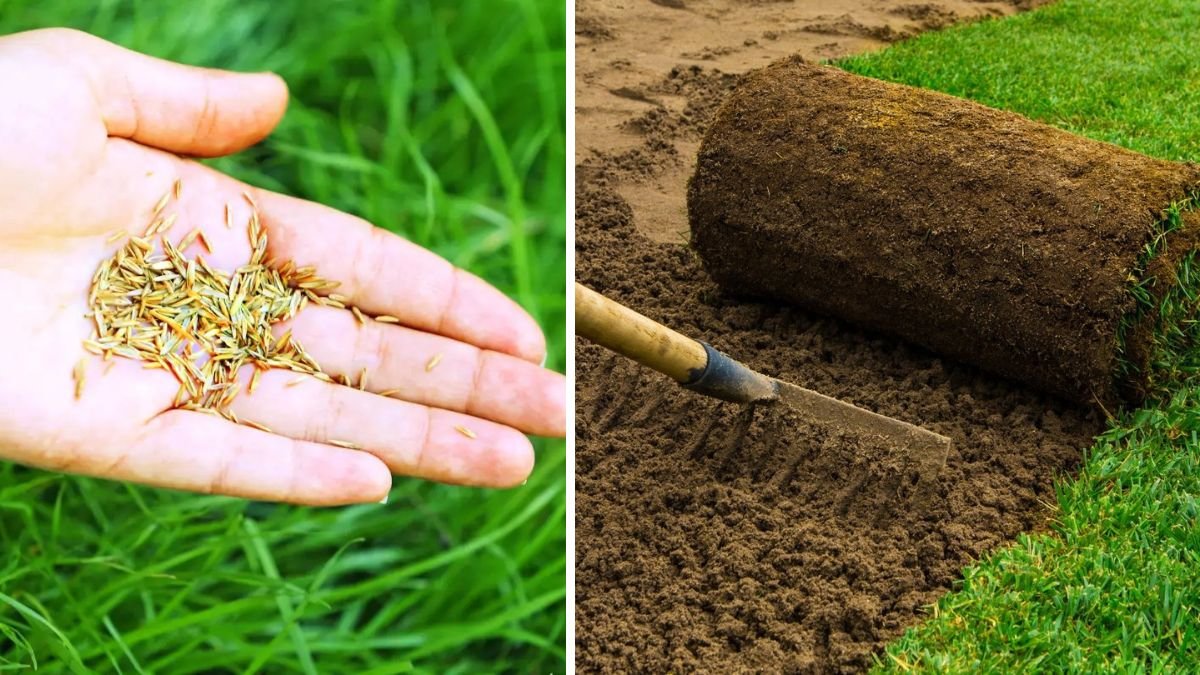
As summer winds down and gardens begin to slow, many gardeners assume it’s time to stop planting. In reality, fall is one of the most important seasons for setting up a healthy, productive garden for the year ahead. One of the smartest fall planting decisions you can make is sowing rye grass. Often overlooked, rye grass is a powerful tool for improving soil health, preventing erosion, and reducing weeds—all while requiring minimal effort.
This article explores why rye grass is such a smart choice for fall garden planting, how it works, and how to use it effectively in home gardens.
What Is Rye Grass?
Rye grass is a cool-season grass commonly used as:
- A cover crop
- Soil conditioner
- Erosion control plant
- Green manure
There are two main types gardeners use:
- Annual rye grass (quick growth, easy to manage)
- Cereal rye (winter rye) (extremely hardy and soil-building)
Both types offer significant benefits when planted in fall.
Latest Posts
- With Just 1 Bottle of Water How I Was Shocked by What Happened When Growing Vegetables
- Maximize Your Home Garden with the Hanging Pea Sprout Growing Model – Space-Saving, High-Yield, and Easy-to-Manage Vertical Gardening Solution
- Just Water – The Secret to Growing Plump, White Peanut Sprouts Right at Home: A Step-by-Step Guide for Beginners
- Growing Zucchini at Home in a Container: How to Cultivate Large, Long Fruits with a 1-to-72 Day Step-by-Step Diary for Maximum Yield
- Grow Long Beans on the Terrace in Used Recycling Baskets: The Ultimate Guide to Easy, Space-Saving, and High-Yield Terrace Gardening
- How to Grow Tons of Long Beans Easily Without a Garden – A Complete Guide to Growing Healthy Yardlong Beans Without Fertilizers or Pesticides
- Easy Long Bean Growing Trick – No Garden, No Fertilizer, No Pesticide
- Grow Bitter Melon in Bottles — Harvest So Big You Can’t Eat It All! The Ultimate Guide to Bottle Gardening for Maximum Yields
- Growing Garlic Made Easy: No Soil, Fast Results – The Ultimate Guide to Growing Fresh Garlic Indoors Without Traditional Soil
- Wall-Mounted Hydroponic Watermelon System: Grow Large, Juicy, and Delicious Watermelons at Home with Minimal Space and Maximum Yield

Why Fall Is the Best Time to Plant Rye Grass
Rye grass thrives in cool weather and establishes quickly before winter arrives. Fall planting allows it to:
- Germinate rapidly
- Develop strong root systems
- Protect soil during winter months
Unlike many plants, rye grass continues growing even as temperatures drop.
Key Benefits of Rye Grass in the Fall Garden
1. Protects Soil From Erosion
Bare soil is vulnerable to wind, rain, and snow. Rye grass forms a dense root network that:
- Holds soil in place
- Prevents nutrient runoff
- Reduces compaction
This protection is especially valuable in sloped or raised beds.
2. Improves Soil Structure
Rye grass roots penetrate deeply, breaking up compacted soil layers. Over time, this:

- Improves drainage
- Enhances aeration
- Makes soil easier to work in spring
When rye grass is cut down and incorporated, it leaves behind organic matter that feeds soil life.
3. Suppresses Weeds Naturally
One of rye grass’s most impressive traits is its weed-suppressing ability. It:
- Shades out weed seedlings
- Competes aggressively for nutrients
- Releases natural compounds that inhibit weed growth
This reduces the weed burden in spring gardens.
4. Captures and Stores Nutrients
Unused nutrients left in soil after summer crops can leach away during winter. Rye grass:
- Absorbs excess nitrogen
- Stores nutrients in its biomass
- Releases them back into the soil when decomposed
This prevents nutrient loss and boosts fertility.

5. Supports Soil Microbial Life
Living roots feed beneficial microbes throughout fall and winter. Healthy microbial populations:
- Improve nutrient cycling
- Suppress soil-borne diseases
- Create resilient soil ecosystems
Rye grass keeps soil biologically active year-round.
How to Plant Rye Grass
When to Plant
- Late summer to mid-fall
- At least 4–6 weeks before hard frost
How to Sow
- Clear existing debris
- Lightly rake soil surface
- Broadcast seeds evenly
- Rake lightly to cover
- Water thoroughly
Rye grass germinates quickly—often within 5–10 days.
Caring for Rye Grass Over Winter
Rye grass requires very little care:
- Water only during dry spells
- No fertilizer needed
- No mowing required
It naturally slows growth during cold weather but resumes in early spring.

What to Do With Rye Grass in Spring
You have several options:
Chop and Drop
- Cut grass at soil level
- Leave clippings as mulch
Incorporate Into Soil
- Turn grass into soil 2–3 weeks before planting
- Allows time for decomposition
Smother Method
- Cover with cardboard or mulch
- Let grass break down naturally
Each method returns nutrients to the soil.
Rye Grass vs Other Cover Crops
| Cover Crop | Benefits | Considerations |
|---|---|---|
| Rye Grass | Hardy, weed suppression, erosion control | Can regrow if not cut |
| Clover | Nitrogen fixation | Less winter-hardy |
| Oats | Easy to manage | Killed by frost |
| Vetch | Nitrogen-rich | Can be aggressive |
Rye grass stands out for fall and winter reliability.
Common Mistakes to Avoid
- Letting rye grass go to seed
- Planting too late in the season
- Using excessive seed amounts
- Forgetting to terminate in spring
Proper timing ensures easy management.
Who Should Use Rye Grass?
Rye grass is ideal for:

- Vegetable gardeners
- Raised bed gardeners
- Sloped yards
- New garden plots
- Organic growers
It works equally well in large gardens and small spaces.
Final Thoughts
Rye grass is one of the simplest and most effective tools for improving garden soil during fall. By protecting, nourishing, and revitalizing soil through winter, it sets the stage for healthier plants and bigger harvests in spring. For gardeners who want to work smarter—not harder—rye grass is a fall planting choice that pays off season after season.