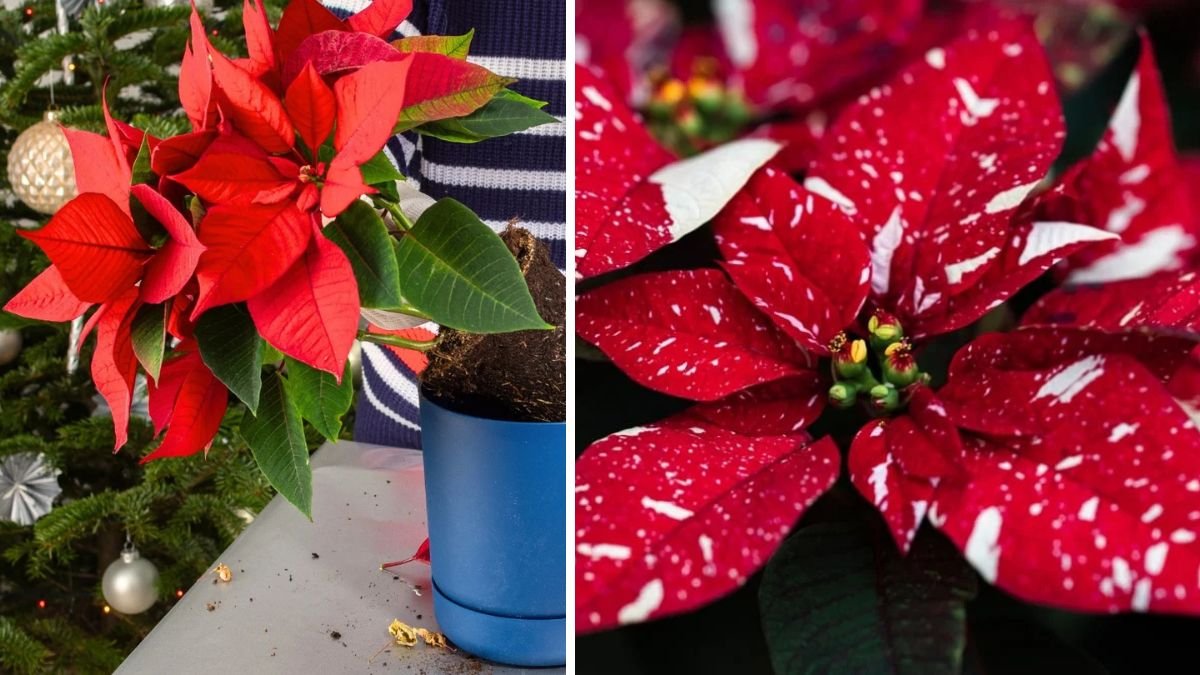
Once the holiday season ends, many poinsettias are neglected or discarded. However, January is actually the perfect time to revive and reset your poinsettia for a full year of growth. With intentional care and a better understanding of its natural cycle, your poinsettia can become one of your most resilient and rewarding houseplants.
This article focuses on reviving post-holiday poinsettias in January, correcting stress damage, and rebuilding plant strength for future blooms.
Why Poinsettias Struggle After the Holidays
Poinsettias endure a lot during December:
- Frequent movement
- Decorative foil wrapping
- Artificial lighting
- Overwatering
January is when these stresses show up as leaf drop or fading color.
First Step: Remove Decorative Wrappings
Foil wraps trap water and suffocate roots.
Latest Posts
- With Just 1 Bottle of Water How I Was Shocked by What Happened When Growing Vegetables
- Maximize Your Home Garden with the Hanging Pea Sprout Growing Model – Space-Saving, High-Yield, and Easy-to-Manage Vertical Gardening Solution
- Just Water – The Secret to Growing Plump, White Peanut Sprouts Right at Home: A Step-by-Step Guide for Beginners
- Growing Zucchini at Home in a Container: How to Cultivate Large, Long Fruits with a 1-to-72 Day Step-by-Step Diary for Maximum Yield
- Grow Long Beans on the Terrace in Used Recycling Baskets: The Ultimate Guide to Easy, Space-Saving, and High-Yield Terrace Gardening
- How to Grow Tons of Long Beans Easily Without a Garden – A Complete Guide to Growing Healthy Yardlong Beans Without Fertilizers or Pesticides
- Easy Long Bean Growing Trick – No Garden, No Fertilizer, No Pesticide
- Grow Bitter Melon in Bottles — Harvest So Big You Can’t Eat It All! The Ultimate Guide to Bottle Gardening for Maximum Yields
- Growing Garlic Made Easy: No Soil, Fast Results – The Ultimate Guide to Growing Fresh Garlic Indoors Without Traditional Soil
- Wall-Mounted Hydroponic Watermelon System: Grow Large, Juicy, and Delicious Watermelons at Home with Minimal Space and Maximum Yield
What to Do
- Remove all decorative coverings
- Ensure free drainage
- Place pot on a breathable saucer
This simple step alone can save the plant.

Assessing the Health of Your Poinsettia
Take time to inspect the plant.
Check For
- Firm green stems
- Healthy root smell
- No blackened or mushy areas
Healthy stems mean the plant is still very much alive.
Resetting Light Exposure in January
Holiday lighting is often inadequate.
Correct Placement
- Bright indirect sunlight
- Near a sunny window
- Rotate weekly for even growth
Light consistency helps stop leaf drop.
Rebuilding Roots With Proper Watering
January watering should be deliberate.
- Water deeply but infrequently
- Allow soil to partially dry
- Use room-temperature water
Healthy roots are the foundation of revival.

Temperature Recovery Strategy
Cold shock is common after December.
Stabilize the Environment
- Keep away from doors
- Avoid night temperatures below 60°F
- Maintain daytime warmth
Stable temperatures promote new growth.
Cleaning and Grooming the Plant
January is a good time for gentle cleanup.
- Remove yellow or dead leaves
- Wipe dust from foliage
- Improve air circulation
This reduces disease risk and improves photosynthesis.
When to Start Feeding Again
Only feed once the plant shows signs of recovery.
Signs It’s Ready
- New green leaves
- Strong upright stems
Use diluted fertilizer sparingly.

Repotting: Necessary or Not?
Repot only if:
- Roots are tightly bound
- Soil remains soggy
- Drainage is poor
Otherwise, wait until spring.
Supporting Fresh Growth Without Stress
Avoid forcing growth.
- No heavy pruning yet
- No drastic light changes
- No fertilizer overload
Slow recovery equals long-term health.
Managing Expectations About Flowers
January is not flowering season.
Your focus should be:
- Leaf health
- Stem strength
- Root recovery
Flowers come later with proper light cycles.
Setting the Plant Up for Reblooming
January care influences fall success.
Healthy poinsettias:
- Respond better to dark/light cycles
- Produce larger bracts
- Maintain stronger branching
Think of January as preparation season.
Mistakes That Kill Poinsettias in January
- Treating them like disposable plants
- Overwatering due to leaf drop fear
- Keeping them in dim rooms
Awareness prevents failure.
Why Keeping a Poinsettia Year-Round Is Worth It
- Long lifespan with minimal care
- Attractive foliage even without flowers
- Sense of gardening achievement
A revived poinsettia becomes a meaningful houseplant.
Final Thoughts
What your poinsettia really needs in January is not special products or complicated routines—it needs thoughtful, steady care. By removing holiday stressors, correcting light and water habits, and allowing the plant to recover naturally, you give your poinsettia the chance to grow stronger and prepare for future flowering. January isn’t the end of your poinsettia’s story—it’s the beginning of a healthier one.