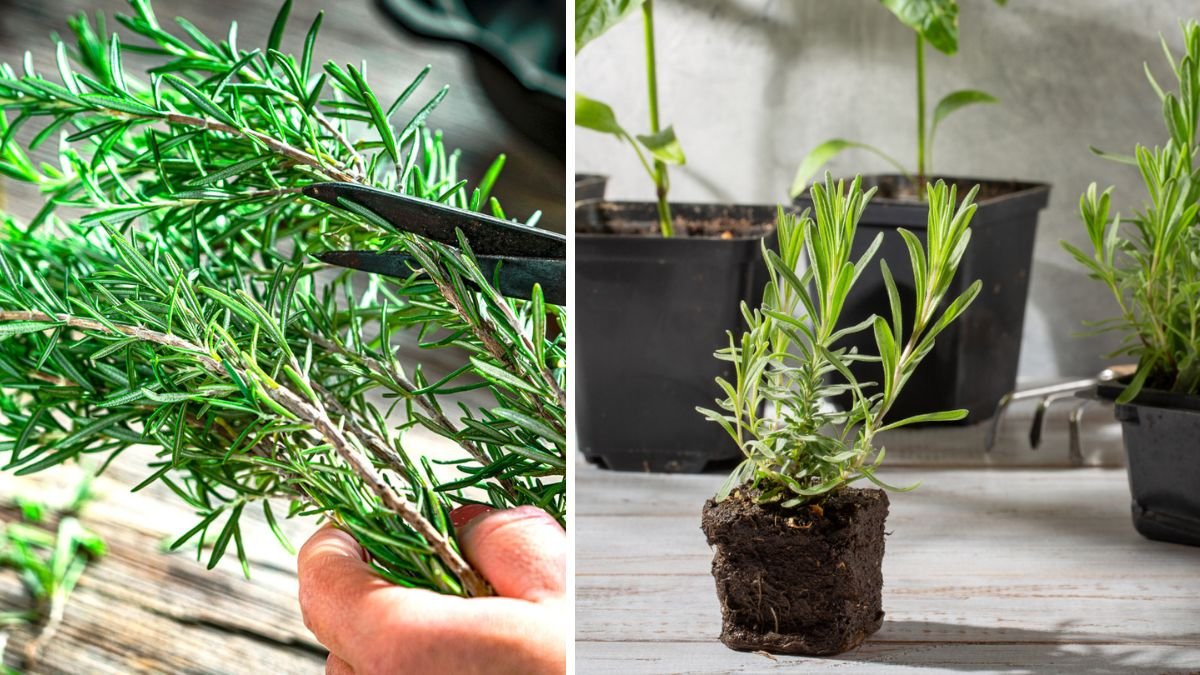
Imagine stepping into a garden filled with the scent of jasmine, lavender, rosemary, and roses—knowing that every single plant began as a simple cutting. For many gardeners, propagation feels like a bonus skill. But can you truly create an entire fragrant garden using only cuttings? The answer is a confident yes, with the right plants, patience, and technique.
This article explores how cuttings work, which fragrant plants propagate best, and how you can design a lush, aromatic garden without buying mature plants or sowing seeds.
Why Grow a Garden From Cuttings?
Growing from cuttings is one of the most rewarding gardening methods because it is:
- Cost-effective
- Sustainable
- Faster than seed-growing for many plants
- Genetically identical to the parent plant
- Ideal for sharing and expanding gardens
For fragrant plants, cuttings ensure you preserve the exact scent and quality you love.
Understanding Plant Propagation by Cuttings
A cutting is a piece of stem, leaf, or root that develops into a new plant. For fragrant gardens, stem cuttings are most common.
Latest Posts
- With Just 1 Bottle of Water How I Was Shocked by What Happened When Growing Vegetables
- Maximize Your Home Garden with the Hanging Pea Sprout Growing Model – Space-Saving, High-Yield, and Easy-to-Manage Vertical Gardening Solution
- Just Water – The Secret to Growing Plump, White Peanut Sprouts Right at Home: A Step-by-Step Guide for Beginners
- Growing Zucchini at Home in a Container: How to Cultivate Large, Long Fruits with a 1-to-72 Day Step-by-Step Diary for Maximum Yield
- Grow Long Beans on the Terrace in Used Recycling Baskets: The Ultimate Guide to Easy, Space-Saving, and High-Yield Terrace Gardening
- How to Grow Tons of Long Beans Easily Without a Garden – A Complete Guide to Growing Healthy Yardlong Beans Without Fertilizers or Pesticides
- Easy Long Bean Growing Trick – No Garden, No Fertilizer, No Pesticide
- Grow Bitter Melon in Bottles — Harvest So Big You Can’t Eat It All! The Ultimate Guide to Bottle Gardening for Maximum Yields
- Growing Garlic Made Easy: No Soil, Fast Results – The Ultimate Guide to Growing Fresh Garlic Indoors Without Traditional Soil
- Wall-Mounted Hydroponic Watermelon System: Grow Large, Juicy, and Delicious Watermelons at Home with Minimal Space and Maximum Yield
There are three main types:
- Softwood cuttings (spring and early summer)
- Semi-hardwood cuttings (late summer)
- Hardwood cuttings (fall and winter)
Each type suits different plants and seasons.
Fragrant Plants That Grow Easily From Cuttings
Not all fragrant plants are equally cooperative, but many favorites root readily.
Herbs
- Lavender
- Rosemary
- Mint
- Lemon balm
- Sage
- Thyme
These are among the easiest and fastest to propagate.
Flowering Shrubs
- Jasmine
- Gardenia
- Rose
- Honeysuckle
- Lilac
Shrubs take longer to mature but reward patience with powerful fragrance.
Houseplants With Fragrance
- Scented geranium
- Hoya
- Stephanotis
Perfect for patios and indoor fragrance.
Can an Entire Garden Be Built This Way?
Yes—but success depends on:
- Access to healthy parent plants
- Willingness to wait for maturity
- Proper propagation care
A cutting-grown garden may take longer to look “finished,” but it will be deeply personal and resilient.
Step-by-Step: How to Take Successful Cuttings
1. Choose the Right Parent Plant
- Healthy
- Pest-free
- Actively growing
Fragrance strength often reflects parent plant health.
2. Make the Cut
- Use clean, sharp scissors
- Cut just below a node
- 4–6 inches long is ideal
3. Prepare the Cutting
- Remove lower leaves
- Keep top leaves intact
- Optional: dip in rooting hormone
Rooting Methods for Fragrant Plants
Water Propagation
Best for:
- Mint
- Basil
- Scented geranium
Change water every few days.
Soil Propagation
Best for:
- Lavender
- Rosemary
- Roses
- Jasmine
Use light, well-draining soil.

Creating the Right Environment
Cuttings need:
- Bright, indirect light
- Warm temperatures
- High humidity
Use humidity domes, plastic bags, or misting to prevent drying out.
How Long Does Rooting Take?
- Herbs: 2–4 weeks
- Shrubs: 4–8 weeks
- Woody plants: several months
Patience is essential, but once rooted, plants grow quickly.
Transplanting and Hardening Off
Once roots are established:
- Gradually reduce humidity
- Increase sunlight exposure
- Transplant gently into larger containers or beds
Avoid rushing—strong roots mean stronger fragrance later.
Designing a Fragrant Garden From Cuttings
Plan placement by:
- Sun needs
- Height and spread
- Bloom seasons
Combine:
- Herbs along pathways
- Shrubs near seating areas
- Climbers along fences or trellises
This ensures fragrance is released as you move through the garden.
Maintenance of a Cutting-Grown Garden
- Regular pruning (encourages scent)
- Moderate feeding
- Proper spacing
- Consistent watering
Cutting-grown plants often grow more evenly and adapt well to their environment.
Challenges to Expect
- Slower initial growth
- Some cuttings fail
- Fragrance develops with maturity
These challenges are outweighed by long-term rewards.
Why Gardeners Love This Method
Gardeners who build fragrance gardens from cuttings often say:
- Plants feel more meaningful
- Gardens feel more cohesive
- Sharing plants becomes easier
- Maintenance is simpler
It’s a deeply satisfying way to garden.
Final Thoughts
Yes—you absolutely can create a fragrant garden using only cuttings. With careful plant selection, patience, and thoughtful design, cuttings can become a thriving, aromatic landscape filled with personal history and natural beauty. A garden grown from cuttings isn’t just fragrant—it tells a story of growth, generosity, and connection.