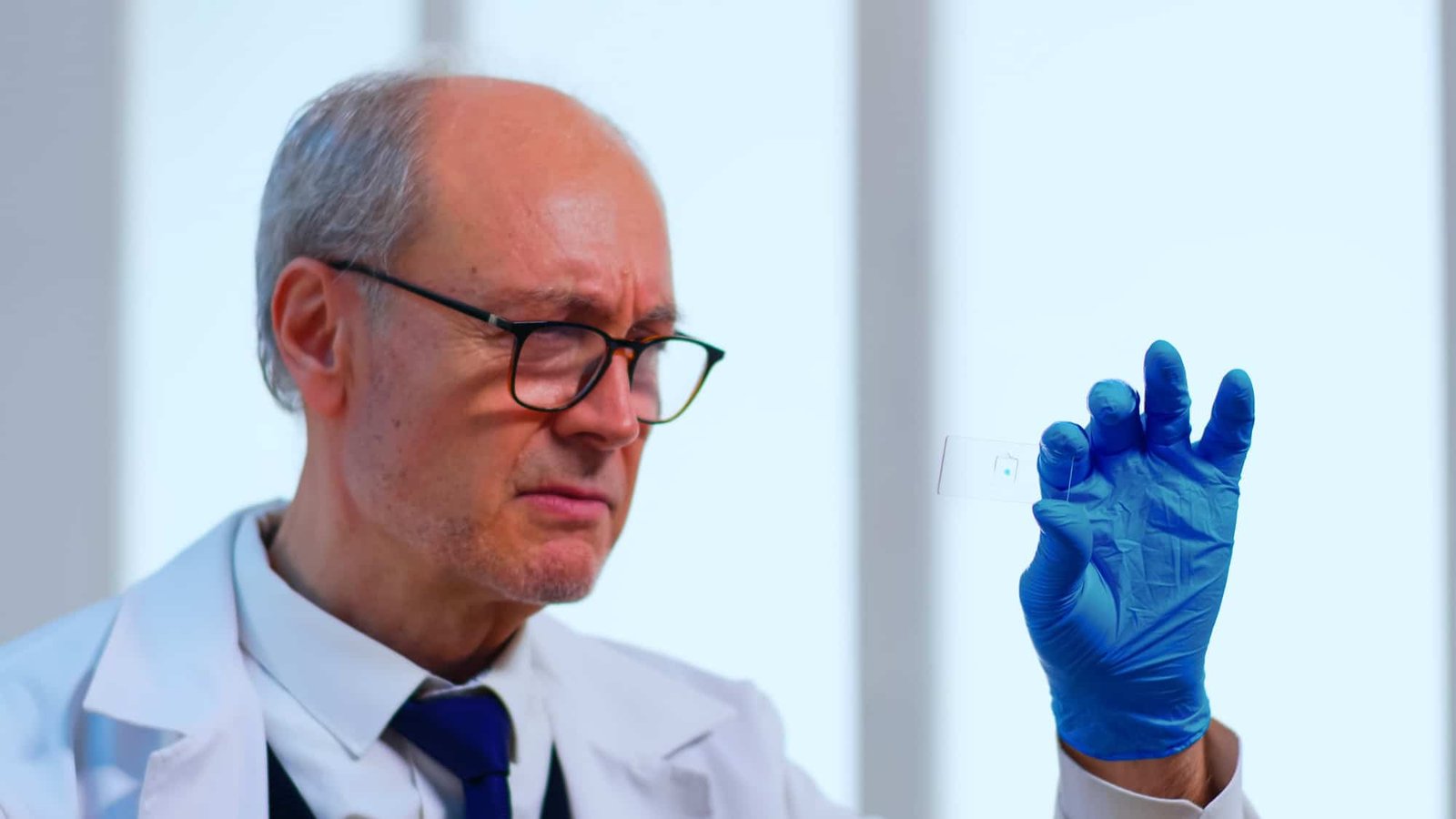
Instead of porcelain crowns or titanium screws, scientists are starting to map out how living tissue could rebuild damaged teeth and jawbone from within, using the body’s own stem cells as raw material.
Why dentists are watching mice very closely
Most people will face dental trouble at some point: cavities, crooked teeth, or a broken tooth after an accident.
Modern dentistry handles a lot of this with implants, crowns and bridges made from metal and ceramics.
These artificial parts work well for chewing and aesthetics, yet they do not behave exactly like natural teeth.
They do not grow with the jaw, they lack nerves, and they bond differently to the surrounding bone and gum tissue.
Latest Posts
- With Just 1 Bottle of Water How I Was Shocked by What Happened When Growing Vegetables
- Maximize Your Home Garden with the Hanging Pea Sprout Growing Model – Space-Saving, High-Yield, and Easy-to-Manage Vertical Gardening Solution
- Just Water – The Secret to Growing Plump, White Peanut Sprouts Right at Home: A Step-by-Step Guide for Beginners
- Growing Zucchini at Home in a Container: How to Cultivate Large, Long Fruits with a 1-to-72 Day Step-by-Step Diary for Maximum Yield
- Grow Long Beans on the Terrace in Used Recycling Baskets: The Ultimate Guide to Easy, Space-Saving, and High-Yield Terrace Gardening
- How to Grow Tons of Long Beans Easily Without a Garden – A Complete Guide to Growing Healthy Yardlong Beans Without Fertilizers or Pesticides
- Easy Long Bean Growing Trick – No Garden, No Fertilizer, No Pesticide
- Grow Bitter Melon in Bottles — Harvest So Big You Can’t Eat It All! The Ultimate Guide to Bottle Gardening for Maximum Yields
- Growing Garlic Made Easy: No Soil, Fast Results – The Ultimate Guide to Growing Fresh Garlic Indoors Without Traditional Soil
- Wall-Mounted Hydroponic Watermelon System: Grow Large, Juicy, and Delicious Watermelons at Home with Minimal Space and Maximum Yield
Promoted Content
This gap between replacement and reality has pushed researchers to ask a bold question: could we coax new teeth and supporting bone to grow, rather than simply bolt on substitutes?
A joint team from Tokyo University of Science (often called Science Tokyo) and the University of Texas Health Science Center at Houston believes mice might hold a key step in that direction.

Two stem cell lineages that build roots and bone
The group published its findings on 1 July 2025 in the journal Nature Communications.
Using genetically engineered mice, they tracked how cells behave near the tip of growing tooth roots, an area that is usually hidden below the gumline.
Powerful microscopes, light-sensitive markers and gene-silencing tools allowed them to follow individual cells and see which chemical signals pushed them toward specific fates.
They identified previously overlooked stem cells that can split into two main lineages, one shaping the tooth root, the other building the jawbone that secures the tooth.

The papilla apicalis: a stem cell pocket at the root tip
One population sits in a soft tissue region called the apical papilla, at the tip of a developing root.
These cells were found to produce a signalling protein called CXCL12, already known for its role in bone formation and repair.
From this niche, the stem cells can turn into several specialised cells:
- Odontoblasts – cells that form dentine, the hard material under the enamel.
- Cementoblasts – cells that produce cementum, the protective layer covering the root.
- Osteoblasts – bone-forming cells that can repair or rebuild the tooth socket bone.
That flexibility suggests a single reservoir could help rebuild both the root structure and parts of the surrounding bone if damaged.
The follicle route: cells primed to support the jaw
The second stem cell lineage was traced to the dental follicle, a ring of tissue that wraps around the developing tooth before it erupts.
These cells express a molecule called parathyroid hormone-related protein, or PTHrP, which influences how they mature.
The researchers found that, under specific conditions linked to repair or regeneration, PTHrP-positive cells can also become cementoblasts and contribute to the supporting structures around the tooth.
Together, the apical papilla and dental follicle house stem cells that can generate dentine, root covering and the bone that anchors teeth in the jaw.

From mouse molars to future dental treatments
At this stage, the work is strictly preclinical and based on mouse models.
Still, the detailed map of which stem cells sit where, and which signals guide them, gives scientists a framework for future therapies.
Mizuki Nagata, associate professor in periodontology at Science Tokyo, described the work as a mechanistic blueprint for root formation and a starting point for stem-cell-based treatments for dental pulp, periodontal tissues and jawbone.
What a regenerative dental visit could look like
Instead of drilling out decay and screwing in a metal post, a future dentist might follow a different path:
- Scan the damaged tooth and surrounding bone.
- Inject or apply a hydrogel carrying stem cells or drugs that activate resident stem cells.
- Use targeted proteins that mimic CXCL12 or PTHrP signals to nudge cells into forming root, cementum or bone.
- Monitor regrowth with imaging, adjusting treatment if tissue is not forming correctly.
The goal would be a living tooth anchored in living bone, able to respond to pressure and, ideally, to minor injuries over time.
Potential benefits beyond a better smile
Jawbone loss is a major problem in older adults, people with severe gum disease, and patients who have lost several teeth.
Current bone grafts often use synthetic materials or bone from other parts of the body, which can be invasive and unpredictable.
Being able to activate or implant stem cells that reliably turn into osteoblasts could ease these procedures and shorten recovery.
The same principles might help repair bone after facial trauma, orthognathic surgery, or even in conditions such as osteoporosis, if adapted carefully.
| Potential application | Role of the new stem cells |
|---|---|
| Replacing a lost tooth | Build a biological root and supporting bone for a regrown or bioengineered tooth |
| Treating advanced gum disease | Regenerate the bone and root covering that hold teeth in place |
| Jaw reconstruction after injury | Provide osteoblasts to rebuild complex bone structures |
What stands between mice and human mouths
Moving from small rodents to people will not be straightforward.
Human teeth develop over years, not weeks, and our immune systems, diets and oral microbiomes add layers of complexity.
Researchers must confirm that equivalent stem cell populations exist in human apical papilla and dental follicles, and that they respond in similar ways to CXCL12, PTHrP and other signalling molecules.
There are also safety questions.
Uncontrolled stem cell activity raises a risk of unwanted tissue growth or tumours, so any treatment must be precise and tightly regulated.
Clinicians will need methods that activate just enough regeneration, in the right spot, for the right duration — no more, no less.
Key terms patients will hear more often
As regenerative dentistry advances, some technical words from this study are likely to appear in clinic conversations.
- Stem cell: a cell that can renew itself and produce more specialised cell types.
- Odontoblast: a cell that lays down dentine, the bulk of the tooth beneath the enamel.
- Cementoblast: a cell that makes cementum, helping anchor the tooth to the jaw.
- Osteoblast: a bone-building cell that shapes and repairs the jawbone.
- Apical papilla: soft tissue at the tip of a developing root, housing key stem cells.
- Dental follicle: the tissue envelope around a developing tooth before eruption.
What this could mean for patients in the next decades
For children and teenagers, better control over root and jaw development might reduce the need for extractions and heavy orthodontic work.
For adults, especially those with advanced gum disease, tailored stem cell therapies could stabilise teeth that would currently be lost.
Older adults might benefit from gentler procedures that rebuild bone density in the jaw, making prosthetic solutions more stable or even enabling partial biological regrowth.
No-one should expect a stem-cell-grown third set of teeth at their next check-up.
Yet this careful work in mice provides a realistic near-term target: treatments that help the tissues around teeth repair themselves more faithfully, extending the life of natural teeth and making replacements behave more like the real thing.