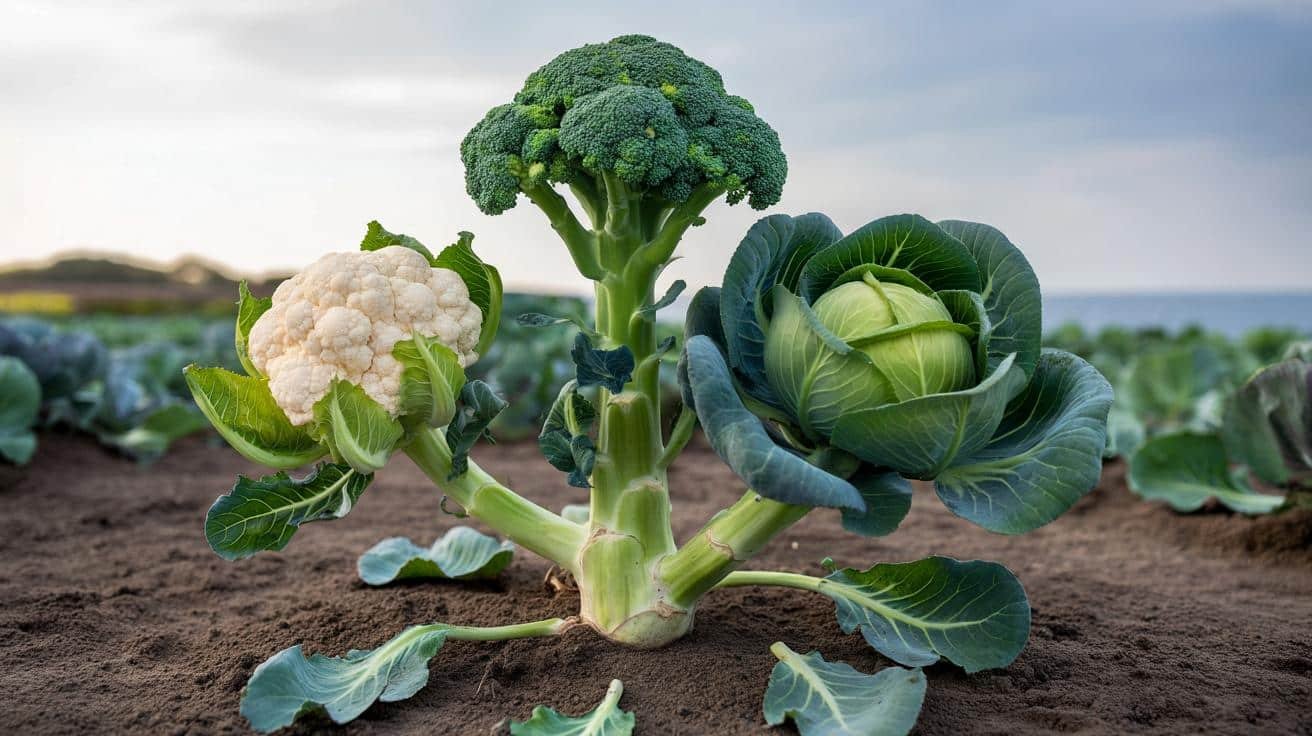
On supermarket shelves they look like distant cousins, yet these everyday vegetables share a surprisingly close botanical bond.
Most people cook cauliflower, broccoli and cabbage as separate kitchen staples, but botanists see them as different faces of one species. Behind their contrasting shapes and colours stands a single plant, patiently reshaped by centuries of human taste and farming ingenuity.
One species, many vegetables
Cauliflower, broccoli and cabbage all belong to the same species: Brassica oleracea. That species also includes kale, Brussels sprouts and several other leafy favourites.
Cauliflower, broccoli, cabbage, kale and Brussels sprouts are all domesticated versions of the very same wild plant, Brassica oleracea.
The original wild plant grew on rocky coastal cliffs around the eastern Mediterranean and Atlantic coasts of Europe. It was tough, salt-tolerant and far less showy than the vegetables we know today.
Latest Posts
- With Just 1 Bottle of Water How I Was Shocked by What Happened When Growing Vegetables
- Maximize Your Home Garden with the Hanging Pea Sprout Growing Model – Space-Saving, High-Yield, and Easy-to-Manage Vertical Gardening Solution
- Just Water – The Secret to Growing Plump, White Peanut Sprouts Right at Home: A Step-by-Step Guide for Beginners
- Growing Zucchini at Home in a Container: How to Cultivate Large, Long Fruits with a 1-to-72 Day Step-by-Step Diary for Maximum Yield
- Grow Long Beans on the Terrace in Used Recycling Baskets: The Ultimate Guide to Easy, Space-Saving, and High-Yield Terrace Gardening
- How to Grow Tons of Long Beans Easily Without a Garden – A Complete Guide to Growing Healthy Yardlong Beans Without Fertilizers or Pesticides
- Easy Long Bean Growing Trick – No Garden, No Fertilizer, No Pesticide
- Grow Bitter Melon in Bottles — Harvest So Big You Can’t Eat It All! The Ultimate Guide to Bottle Gardening for Maximum Yields
- Growing Garlic Made Easy: No Soil, Fast Results – The Ultimate Guide to Growing Fresh Garlic Indoors Without Traditional Soil
- Wall-Mounted Hydroponic Watermelon System: Grow Large, Juicy, and Delicious Watermelons at Home with Minimal Space and Maximum Yield
Over centuries, farmers selected plants with particular traits. Bigger leaves, thicker stems or tighter buds were favoured, saved as seed and grown again. Each generation nudged the plant towards a different “look”, until wholly new vegetables emerged from the same genetic base.
From ancient shores to modern plates
Historical records suggest early forms of this plant were already eaten by ancient Greeks and Egyptians, mostly in leafier, cabbage-like shapes. By around the 3rd century BC, growers in regions that are now Italy and the eastern Mediterranean were actively domesticating it.

Promoted Content
Different communities pushed the plant in different directions. In some areas, people wanted abundant tender leaves for stews and soups. Elsewhere, compact heads were prized because they stored well and travelled better to market.
By late medieval times in Europe, loose-leaf kale types were among the most common vegetables on the table. In the Italian peninsula, selection slowly produced what we now recognise as broccoli and later cauliflower, with their edible flower structures taking centre stage.
How one plant became three very different foods
Cauliflower vs broccoli: same family, different architecture
To the eye, cauliflower and broccoli could not be more different, yet botanically they focus on the same part of the plant: the flower structures.
- Cauliflower forms a dense, pale head made of undeveloped flower buds tightly packed together.
- Broccoli produces branching green stems topped with clusters of tiny, separate flower buds.
Both sit within the mustard family (Brassicaceae), known for its slightly peppery, sulphur-rich flavour and high nutritional value.
Cauliflower is essentially a compact mass of immature flower buds, while broccoli is a branched bouquet of buds on longer stalks.
Cauliflower vs cabbage: when leaves take over
Cabbage represents a different route in the plant’s evolution under cultivation. Here, leaves are the main edible feature.
Cauliflower keeps its leaves looser, wrapping around and protecting the white head from sunlight. Cabbage, by contrast, curls its leaves inward, forming the firm ball known as a “head”.
That simple shift in leaf growth produces vegetables that behave very differently in the kitchen, even though they are extremely close genetically.
Conditions that help Brassica oleracea thrive
Despite the diversity of shapes, most Brassica oleracea types like similar conditions. They prefer cooler or mild climates and generally handle light frosts without much trouble.
| Factor | Ideal for Brassica oleracea |
|---|---|
| Climate | Mild to cool, tolerates frost better than heat |
| Soil | Well-drained, fertile, rich in organic matter |
| Watering | Regular, to keep soil moist but not waterlogged |
| Use | Food crops and, in some varieties, ornamental plants |
Gardeners often grow them in rotation with other crops to avoid soil-borne diseases and to keep nutrient levels balanced. Some varieties, such as ornamental kale, are planted purely for their colourful leaves in flower beds and winter displays.
Why cauliflower has become a nutritional star
While broccoli may get more attention in health headlines, cauliflower holds its own. It is low in calories yet packed with vitamins and plant compounds.
Cauliflower brings vitamins A, C and K, along with minerals like calcium, iron, potassium and phosphorus, in a single low-calorie package.
Its fibre content supports gut health by helping bowel movements and feeding beneficial bacteria in the intestine. A healthier microbiome has been linked to better immunity and more stable mood.
Cauliflower also contains nutrients that support bone health, including calcium and phosphorus. Regular intake, especially as part of a balanced diet, can help reduce the risk of weak bones and fractures later in life.
Compounds that do more than feed you
Inside a floret of cauliflower sits a cocktail of plant chemicals.

- Glucosinolates – sulphur-containing compounds associated with protective effects against some cancers.
- Polyphenols – antioxidants that help limit damage caused by free radicals.
- Chlorophyll – the green pigment (more visible in darker varieties) linked to several protective roles in cells.
- Kaempferol – a flavonoid studied for its antioxidant, anti-inflammatory and liver-protective actions.
Cauliflower is rich in vitamin C as well, which helps the body absorb iron from plant-based foods. This combination can support the prevention or management of iron-deficiency anaemia when part of a broader, iron-conscious diet.
From mood to pregnancy: lesser-known benefits
Beyond vitamins and minerals, cauliflower also contains tryptophan, an amino acid involved in serotonin production. Together with vitamin C, it plays a role in synthesising serotonin and dopamine, two neurotransmitters that influence sleep, motivation, pleasure and mood stability.
For pregnant women, the presence of folic acid (vitamin B9) matters a great deal. This vitamin contributes to early development of the baby’s nervous system and bone marrow. Public health guidelines around the world highlight folate intake in the first weeks of pregnancy, when many women may not yet realise they are expecting.
How people actually eat it
Cauliflower is one of the most flexible vegetables in the kitchen. It appears raw in salads, roasted with spices, steamed, blended into soups or mashed as a lighter stand-in for potatoes.
Home cooks turn it into rice-like grains, use large slices as “steaks” or shape it into burger patties and pizza bases, especially in vegan and low-carb recipes. When cooked gently, it carries sauces well without losing its bite.
Few vegetables adapt so easily: from raw florets in a lunchbox to creamy soups, mock rice and vegan burgers.
In many regional cuisines, cauliflower joins traditional dishes such as vegetable stews, stir-fries and green juices. When blended into soups or purées, it can offer much of the nutritional value in a softer, easier-to-digest form, useful for children, older people or anyone recovering from illness.

Cauliflower, kale and cousins: sorting the family
People often confuse names within the Brassica oleracea family. Kale, for instance, is simply a non-heading cabbage with open, usually dark-green leaves. Some regions have specific types like “collard” or “kale” with broad, tender leaves, used heavily in home cooking.
Cauliflower, by contrast, forms a compact white or purple head. Brussels sprouts grow as small, tight mini-cabbages along a tall stem. All are just different expressions of the same species, shaped by generations of seed-saving and selection.
Practical tips for shoppers and home cooks
For anyone planning a week’s meals, understanding that these vegetables are related can open up quick substitutions and combinations.
- Swap part of the potatoes in a mash for cauliflower to reduce calories and increase fibre.
- Mix broccoli and cauliflower florets on a roasting tray with garlic and olive oil for a simple, nutrient-dense side.
- Use chopped cabbage or kale stems in soups that also contain cauliflower, so less of the plant ends up in the bin.
- Pair these vegetables with a squeeze of lemon or another vitamin C source to support iron absorption from beans or lentils served alongside.
For people with thyroid conditions or those taking blood-thinning medication, doctors sometimes advise moderation with large amounts of Brassica vegetables in raw form. Cooking them lightly, varying the vegetables used and following individual medical guidance can manage most concerns while keeping their benefits on the plate.
Seen together, cauliflower, broccoli and cabbage stop looking like three separate foods and start to resemble a family of useful tools. Each cut, floret or leaf offers a slightly different balance of taste, texture and nutrients, all sourced from a single adaptable plant that humans have been reshaping for millennia.