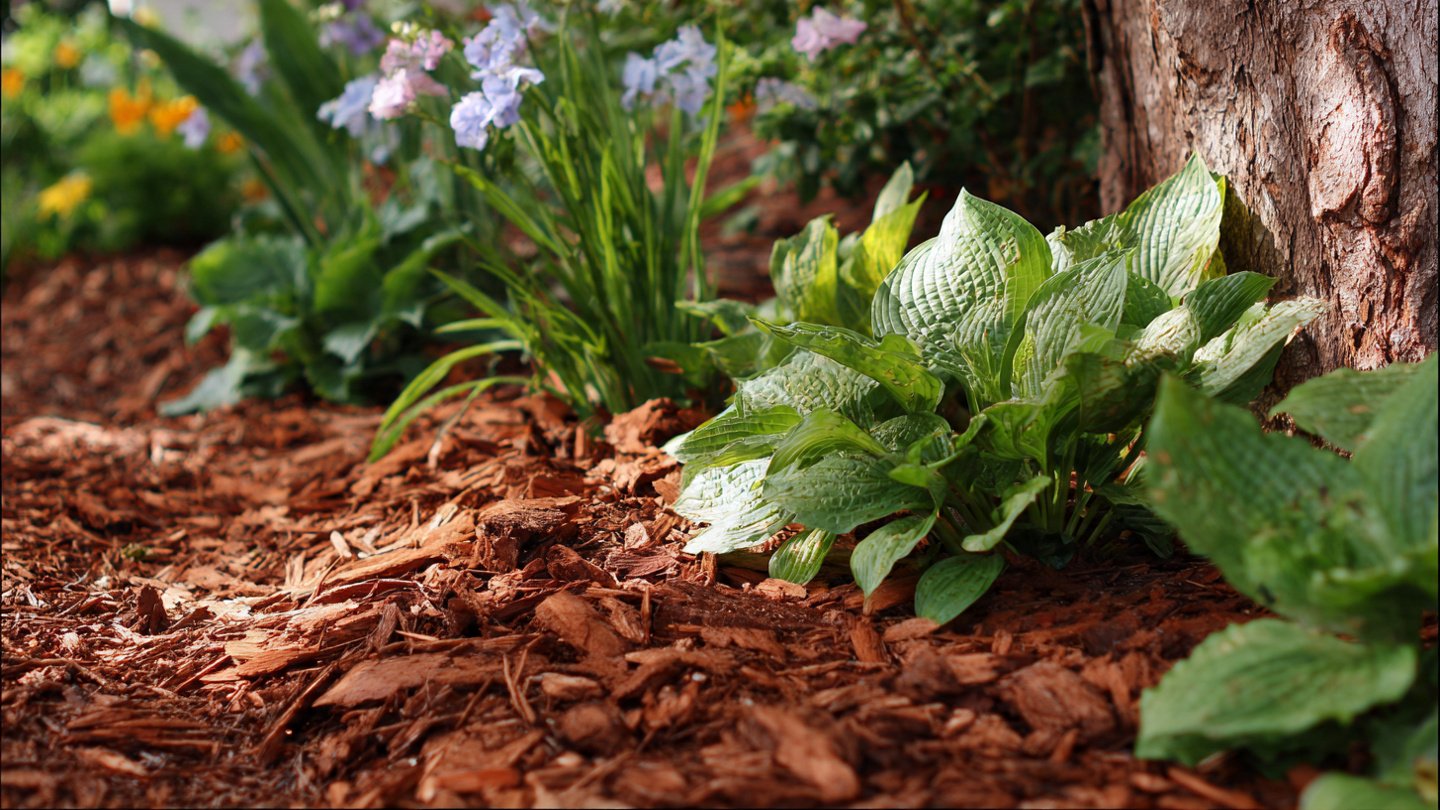
As summer heats up and temperatures soar, the importance of protecting our plants becomes paramount. One of the most effective methods of doing this is through the application of mulch. Mulch acts as a protective barrier for the soil and plants, offering numerous benefits that can help them thrive even in the most severe weather conditions. This article delves into the reasons why mulch is essential, particularly during hot weather.
Understanding Mulch
Mulch is a layer of material applied to the surface of soil, typically around plants or in garden beds. It can be organic (e.g., bark, leaves, straw) or inorganic (e.g., stones, plastic). Each type of mulch has its unique advantages, but they all share common benefits that aid in plant protection.
Latest Posts
- With Just 1 Bottle of Water How I Was Shocked by What Happened When Growing Vegetables
- Maximize Your Home Garden with the Hanging Pea Sprout Growing Model – Space-Saving, High-Yield, and Easy-to-Manage Vertical Gardening Solution
- Just Water – The Secret to Growing Plump, White Peanut Sprouts Right at Home: A Step-by-Step Guide for Beginners
- Growing Zucchini at Home in a Container: How to Cultivate Large, Long Fruits with a 1-to-72 Day Step-by-Step Diary for Maximum Yield
- Grow Long Beans on the Terrace in Used Recycling Baskets: The Ultimate Guide to Easy, Space-Saving, and High-Yield Terrace Gardening
- How to Grow Tons of Long Beans Easily Without a Garden – A Complete Guide to Growing Healthy Yardlong Beans Without Fertilizers or Pesticides
- Easy Long Bean Growing Trick – No Garden, No Fertilizer, No Pesticide
- Grow Bitter Melon in Bottles — Harvest So Big You Can’t Eat It All! The Ultimate Guide to Bottle Gardening for Maximum Yields
- Growing Garlic Made Easy: No Soil, Fast Results – The Ultimate Guide to Growing Fresh Garlic Indoors Without Traditional Soil
- Wall-Mounted Hydroponic Watermelon System: Grow Large, Juicy, and Delicious Watermelons at Home with Minimal Space and Maximum Yield
How Mulch Protects Plants
1. Temperature Regulation
One of the primary roles of mulch is to help regulate soil temperature. During hot weather, the sun can heat the soil to extreme levels, which can stress plants and inhibit their growth. A layer of mulch insulates the soil beneath, keeping it cooler than it would be if left bare. This cooling effect helps maintain a more stable environment for root systems, promoting healthier growth.

2. Moisture Retention
Hot weather often brings dry conditions, leading to rapid evaporation of moisture from the soil. Mulch acts as a barrier, minimizing water loss. It retains moisture in the soil, allowing plants to access the hydration they need to survive the heat. This is especially important for young plants and newly planted seeds that require consistent moisture for successful growth.
3. Weed Suppression
Weeds compete with your plants for essential resources like water, nutrients, and sunlight. A thick layer of mulch suppresses weed growth by blocking sunlight from reaching the seeds. By preventing weed emergence, mulch helps ensure that your plants have access to all necessary resources, even during the hotter months.
4. Soil Improvement
Organic mulches, in particular, contribute to soil health as they decompose over time. This decomposition enriches the soil, providing necessary nutrients that benefit plants. Healthy soil fosters robust root systems, which can better withstand the stress of hot weather.
5. Erosion Prevention

Intense summer rains can cause soil erosion, particularly in exposed garden beds. Mulch serves as a protective layer that reduces the impact of heavy rains, preventing soil from washing away. By stabilizing the soil, mulch helps maintain the structure and fertility of your garden beds.
6. Pest and Disease Management
Some types of mulch can help deter pests and reduce disease vulnerability. For instance, certain organic mulches can attract beneficial insects that prey on harmful pests. Additionally, by covering the soil, mulch reduces the likelihood of soil-borne diseases affecting plants during their vulnerable growing periods.
Selecting the Right Mulch
Not all mulches are created equal. When choosing mulch for hot weather, consider the following factors:
- Type of Plants: Different plants have varying mulch needs. Consult local gardening resources to determine the best mulch for your specific plants.
- Material: Organic mulches such as wood chips, straw, and shredded leaves provide multiple benefits, including soil improvement. Inorganic options like landscape fabric or gravel can be useful but don’t contribute nutrients to the soil.
- Depth: Apply mulch at a depth of about 2 to 4 inches. Too much mulch can suffocate roots and prevent water penetration.
- Location: Consider how the mulch will interact with your garden’s drainage. Avoid placing mulch too close to plant stems to prevent rot.

Application Tips
Proper application of mulch is crucial for maximizing its benefits:
- Clear the Area: Before applying mulch, clear away any weeds or debris to create a clean surface.
- Water First: Water the area well before mulching. This ensures the soil is hydrated and can better retain moisture beneath the mulch.
- Even Distribution: Spread the mulch evenly, avoiding large clumps or piles. This promotes even moisture absorption and aeration.
- Regular Maintenance: Check the mulch regularly, replenishing it as needed. Organic mulches decompose over time and may need to be added yearly.

Conclusion
In summary, mulch serves as an essential tool for protecting plants during hot weather. By regulating soil temperature, retaining moisture, suppressing weeds, and improving soil health, mulch helps create an ideal environment for plants to thrive even in extreme conditions. Understanding the different types of mulch and their benefits allows gardeners to make informed choices that enhance plant growth and resilience. Investing time and effort into proper mulching can lead to a more vibrant and productive garden, no matter the heat of summer.
FAQs
1. How often should I apply mulch?
It’s recommended to apply mulch once a year, preferably in early spring or fall after the growing season, depending on your specific environment and type of mulch used.
2. Can I use grass clippings as mulch?

Yes, grass clippings can be used as mulch, but they should be used in thin layers to prevent matting and provide adequate airflow.
3. Is there a best time to apply mulch?
The best time to apply mulch is in the spring after the soil has warmed but before the heat of summer sets in, or in the fall to help protect plants over the winter.
4. Will mulch attract pests?
Some organic mulches may attract pests; however, using pest-resistant varieties or maintaining good garden hygiene can mitigate this risk.