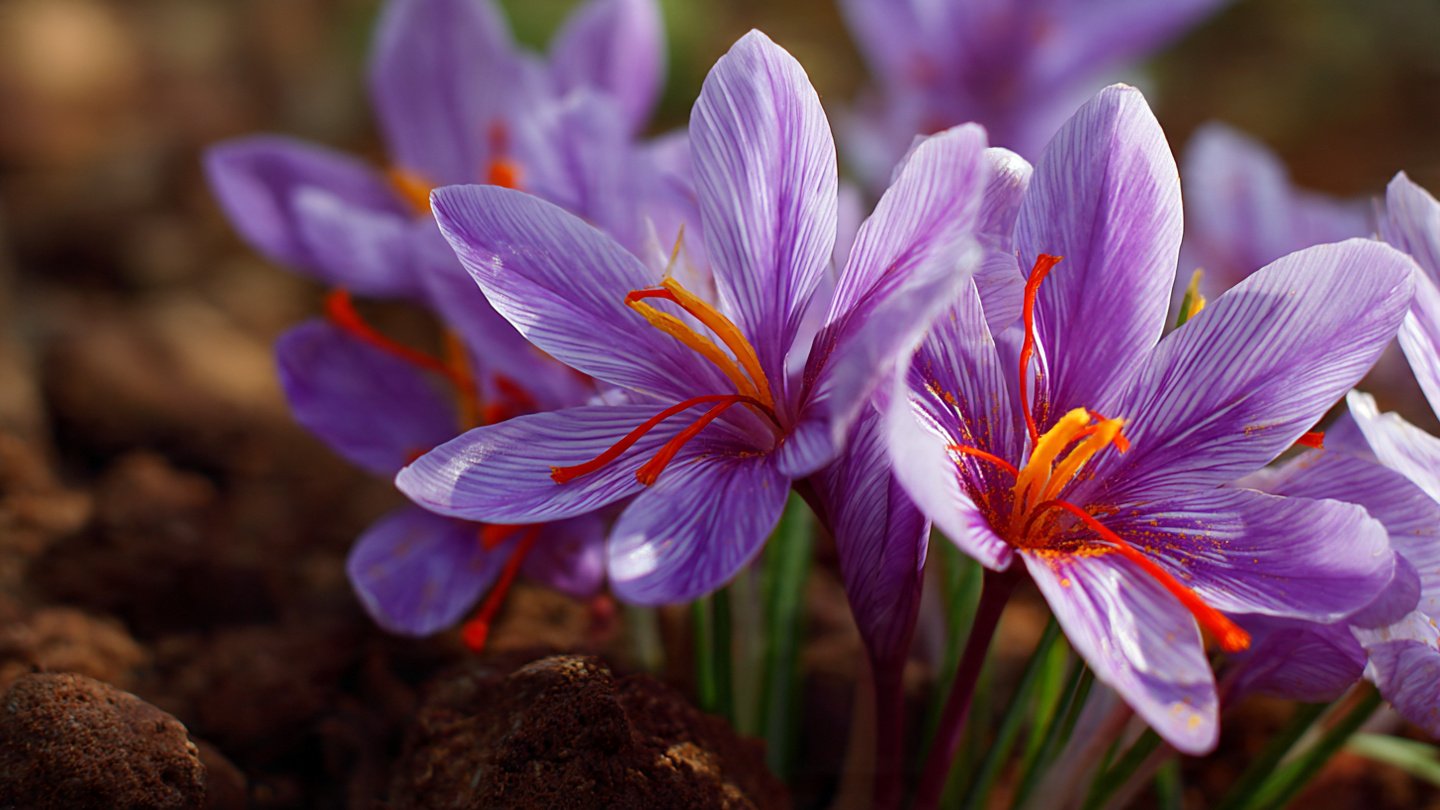
Saffron, often dubbed the “red gold,” is the most expensive spice in the world, renowned for its unique flavor, aroma, and vibrant color. This luxurious ingredient, derived from the flower Crocus sativus, has captivated culinary enthusiasts and health-conscious individuals alike. While saffron’s rarity and price may seem daunting, growing your own saffron can be a rewarding venture. In this guide, we’ll explore the secrets of growing saffron at home, and equip you with essential tips for successful gourmet gardening.
Understanding Saffron
Saffron is the stigma (the female reproductive part) of the Crocus sativus flower. Each flower produces three red stigmas, which are hand-harvested during the fall bloom. Harvesting is labor-intensive, as it requires careful timing and precision, contributing to saffron’s high market price. The plant thrives in specific climatic conditions, making it essential to understand its growing requirements.
Latest Posts
- With Just 1 Bottle of Water How I Was Shocked by What Happened When Growing Vegetables
- Maximize Your Home Garden with the Hanging Pea Sprout Growing Model – Space-Saving, High-Yield, and Easy-to-Manage Vertical Gardening Solution
- Just Water – The Secret to Growing Plump, White Peanut Sprouts Right at Home: A Step-by-Step Guide for Beginners
- Growing Zucchini at Home in a Container: How to Cultivate Large, Long Fruits with a 1-to-72 Day Step-by-Step Diary for Maximum Yield
- Grow Long Beans on the Terrace in Used Recycling Baskets: The Ultimate Guide to Easy, Space-Saving, and High-Yield Terrace Gardening
- How to Grow Tons of Long Beans Easily Without a Garden – A Complete Guide to Growing Healthy Yardlong Beans Without Fertilizers or Pesticides
- Easy Long Bean Growing Trick – No Garden, No Fertilizer, No Pesticide
- Grow Bitter Melon in Bottles — Harvest So Big You Can’t Eat It All! The Ultimate Guide to Bottle Gardening for Maximum Yields
- Growing Garlic Made Easy: No Soil, Fast Results – The Ultimate Guide to Growing Fresh Garlic Indoors Without Traditional Soil
- Wall-Mounted Hydroponic Watermelon System: Grow Large, Juicy, and Delicious Watermelons at Home with Minimal Space and Maximum Yield
Climate and Soil Requirements
Climate:
Saffron thrives in regions with a Mediterranean climate, characterized by hot, dry summers and cool to cold winters. The ideal temperature range for saffron cultivation is between 50°F (10°C) and 75°F (24°C). However, to flower, the plant requires a period of cold dormancy; thus, zones that experience mild winters can successfully cultivate saffron.
Soil:
The soil must be well-drained, sandy to loamy, and rich in organic matter. Saffron bulbs (corms) are susceptible to rot, so excessive moisture or heavy clay soils can hinder growth. A pH level between 6 and 8 is optimal. Amending your garden bed with compost and ensuring good drainage will create the right environment for saffron.
Planting Saffron
Choosing Saffron Corms
Purchase high-quality corms from reliable sources. Opt for larger corms, as they typically yield a better harvest. Saffron corms are usually available online or at specialty gardening stores.
Planting Time
The ideal time to plant saffron corms is in late summer to early fall, about six weeks before the first expected frost. This timing allows the plants to establish roots before the cold weather arrives.
Planting Process
-
Preparing the Soil: Loosen the soil to a depth of about 12 inches, and mix in organic compost.
-
Spacing: Plant the corms 4 to 6 inches apart and 4 inches deep. This spacing allows enough room for growth and prevents overcrowding.
-
Watering: After planting, water lightly to settle the soil around the corms. Avoid overwatering, as this can lead to rot.
Caring for Your Saffron Plants
Watering
Saffron requires minimal water. After the initial watering at planting, wait for the corms to sprout, then provide water only if there is prolonged drought. Saffron prefers dry growing conditions, particularly during the flowering and harvesting phase.
Fertilization
Incorporate a balanced fertilizer in early spring as new growth emerges. A slow-release fertilizer that is low in nitrogen helps promote bulb development without unhealthy foliage growth.
Weeding and Mulching
Regularly inspect your saffron beds for weeds, as they can compete for nutrients. Hand-pulling weeds is best to avoid disturbing the corms. Applying organic mulch helps retain moisture, suppress weeds, and regulate soil temperature.
Pest and Disease Management
Saffron is relatively pest-resistant, but keep an eye out for aphids, thrips, and bulb rot. Utilize organic pest control methods when necessary, such as insecticidal soap or neem oil. To prevent diseases, ensure proper soil drainage and avoid overwatering.

Harvesting Saffron
Timing the Harvest
Monitor your saffron plants as they bloom in the fall, usually between October and November, depending on your climate. The flowers bloom for just a few days, and the ideal time to harvest is when the blooms are fully opened.
Harvesting Process
-
Hand Harvesting: Use scissors to carefully snip the red stigmas, taking care not to damage the flowers.
-
Drying Saffron: After harvesting, quickly dry the stigmas by spreading them out on a clean cloth or drying tray. Avoid direct sunlight and allow them to dry completely (about two weeks) to enhance flavor and aroma.
Storing Saffron
Once dried, store saffron in an airtight container, preferably in a dark, cool place. Proper storage can maintain saffron’s quality for several months.
Culinary Uses and Benefits
Saffron adds a unique flavor and vibrant color to various dishes, including risottos, paellas, desserts, and teas. Beyond its culinary uses, saffron is known for its health benefits, including antioxidant properties, mood enhancement, and potential anti-inflammatory effects.
FAQs
1. How much saffron can I expect to harvest?
The yield can vary based on factors like climate, care, and the number of corms planted. An average yield is around 1 ounce per 1500 corms, which may sound low, but yields can improve over the years as the plants mature.
2. Can saffron be grown in pots?
Yes, saffron can be grown in pots as long as the containers provide good drainage and the right soil conditions. Choose pots that are at least 12 inches deep.
3. How often should I water saffron?
Saffron is drought-tolerant and requires minimal watering. It’s best to let the soil dry out between waterings, especially during the dormant summer period.
4. Can saffron withstand frost?
Saffron can tolerate light frosts; however, harsh winter conditions may damage the corms. In colder regions, mulch can provide insulation.
5. When do saffron corms need to be replanted?
Typically, saffron corms do not need to be disturbed for 3 to 5 years. However, if you notice decreased yields or overcrowding, it may be time to lift and separate them for replanting.
6. Is it difficult to grow saffron at home?
While saffron does require specific conditions, the process can be straightforward with proper planning and care. Many gardeners find it an enjoyable and rewarding experience.
By unlocking the secrets of growing saffron, you can enjoy the pleasures of gourmet cooking while cultivating one of the most coveted spices in the world right at home. With a little attention and dedication, you’ll soon reap the golden rewards of your saffron harvest!