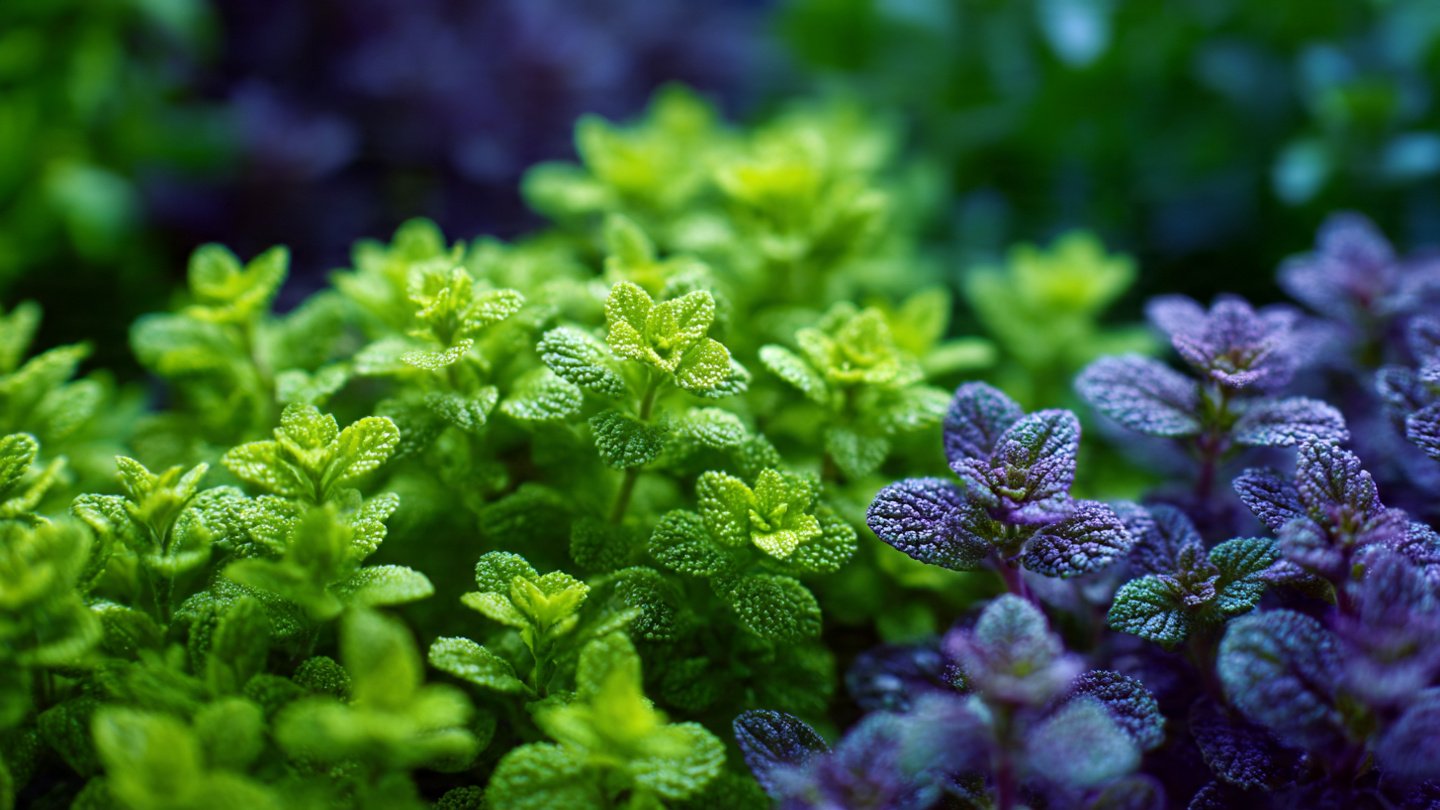
Herbs are a wonderful addition to any garden or kitchen, bringing color, flavor, and a burst of aroma to our culinary creations. However, many gardeners and cooks alike may have encountered the disheartening sight of herbs losing their vibrant green color. This change can stem from a variety of factors, including environmental conditions, improper care, and even the type of herb itself. In this article, we will explore the reasons why herbs lose their brightness, the implications of color changes, and how to maintain their lush appearance.
The Importance of Green
The green color in herbs primarily comes from chlorophyll, a pigment crucial for photosynthesis. Through this process, plants convert sunlight into energy, using it to grow, reproduce, and thrive. When chlorophyll levels are high, the herb displays a rich green hue, which is often associated with freshness and vitality. Therefore, a loss of vibrant color can indicate alterations in the herb’s health and well-being.
Latest Posts
- With Just 1 Bottle of Water How I Was Shocked by What Happened When Growing Vegetables
- Maximize Your Home Garden with the Hanging Pea Sprout Growing Model – Space-Saving, High-Yield, and Easy-to-Manage Vertical Gardening Solution
- Just Water – The Secret to Growing Plump, White Peanut Sprouts Right at Home: A Step-by-Step Guide for Beginners
- Growing Zucchini at Home in a Container: How to Cultivate Large, Long Fruits with a 1-to-72 Day Step-by-Step Diary for Maximum Yield
- Grow Long Beans on the Terrace in Used Recycling Baskets: The Ultimate Guide to Easy, Space-Saving, and High-Yield Terrace Gardening
- How to Grow Tons of Long Beans Easily Without a Garden – A Complete Guide to Growing Healthy Yardlong Beans Without Fertilizers or Pesticides
- Easy Long Bean Growing Trick – No Garden, No Fertilizer, No Pesticide
- Grow Bitter Melon in Bottles — Harvest So Big You Can’t Eat It All! The Ultimate Guide to Bottle Gardening for Maximum Yields
- Growing Garlic Made Easy: No Soil, Fast Results – The Ultimate Guide to Growing Fresh Garlic Indoors Without Traditional Soil
- Wall-Mounted Hydroponic Watermelon System: Grow Large, Juicy, and Delicious Watermelons at Home with Minimal Space and Maximum Yield
Environmental Factors
1. Light Exposure
Herbs require adequate sunlight to thrive. Most herbs need at least six hours of direct sunlight each day. Insufficient light can lead to a phenomenon known as etiolation, where plants grow leggy and thin in an attempt to reach for light. This process often results in pale or yellowing leaves as chlorophyll production decreases.
Solution: Ensure your herbs receive the appropriate amount and intensity of sunlight. If you’re growing herbs indoors, consider using grow lights when natural light is insufficient.

2. Temperature Extremes
Herbs are sensitive to temperature fluctuations. High temperatures can cause stress and lead to leaf burn, resulting in a faded or bleached appearance. Conversely, extremely low temperatures can halt growth, leading to yellowing leaves.
Solution: Maintain optimal growing temperatures for your herbs, generally between 60°F and 75°F (15°C to 24°C). Use protective measures during extreme weather, such as moving potted herbs indoors during cold snaps or providing shade during heatwaves.
3. Humidity Levels
Herbs thrive in environments with moderate humidity. Excessive dryness can lead to wilting and discoloration, while too much humidity can encourage mold and mildew, both of which can stress the plant.
Solution: Monitor humidity levels, especially for indoor herbs. A pebble tray with water can help increase humidity around houseplants, or consider using a small humidifier if necessary.
Soil Health
4. Nutrient Deficiencies

The health of your herbs is directly tied to the nutrients available in the soil. A lack of essential nutrients—such as nitrogen, magnesium, or iron—can lead to yellowing leaves. Nitrogen deficiency, in particular, is common and results in the older leaves turning yellow as the plant diverts resources to new growth.
Solution: Regularly amend your soil with the right fertilizers. Organic options, such as compost or well-rotted manure, can provide necessary nutrition without chemical additives.
5. pH Imbalance
Soil pH plays a crucial role in nutrient availability. Most herbs prefer slightly acidic to neutral soil (pH 6.0 to 7.0). Extreme pH levels can render certain nutrients unavailable to the plant, causing symptoms like yellowing leaves or stunted growth.
Solution: Test your soil pH using a home testing kit. If it’s outside the optimal range, amendments like lime (to raise pH) or sulfur (to lower pH) can help bring it back into balance.
6. Waterlogged Soil
Overwatering can lead to root rot, which ultimately impacts the entire plant’s health. Waterlogged soil can inhibit root functions, leading to yellowing leaves and a stunted appearance.

Solution: Ensure proper drainage in pots and avoid watering too frequently. Check soil moisture levels before adding water.
Pest and Disease Issues
7. Pests
Insects like aphids, spider mites, and whiteflies can sap the life from your herbs. These pests feed on the sap, leading to discoloration and curled leaves.
Solution: Regularly inspect your herbs for pests. If you notice an infestation, consider using insecticidal soap or neem oil as a natural remedy.
8. Fungal Diseases
Fungal infections, such as powdery mildew or root rot, can also cause discoloration and decay. These diseases thrive in overly humid environments and poor air circulation.
Solution: Promote good airflow around your herbs by spacing them adequately and avoiding overcrowding. If you suspect a fungal infection, remove affected leaves and treat the plant with an appropriate fungicide.

Herb Type and Specific Care
9. Herb Variation
Different herbs have varying tolerances for environmental stressors. For instance, basil and cilantro are known to bolt (flower and set seed) in response to heat, causing their leaves to lose their vibrant color. Varieties of rosemary may be more resistant to dry conditions but sensitive to waterlogging.
Solution: Research each herb’s specific care requirements, and adjust your growing conditions accordingly. Understanding the natural habitats of your herbs can inform how best to nurture them.
10. Harvesting Practices
Overharvesting can also lead to a loss of color. Frequent snipping without allowing enough foliage to remain can stress the plant, leading to yellowing.
Solution: Harvest herbs judiciously. Aim to leave at least one-third of the plant’s leaves intact to ensure the plant can continue photosynthesis effectively.

Mitigating Color Loss
11. Pruning and Maintenance
Regular pruning can keep herbs healthy and vibrant. Trim back any yellowing leaves, which may be a sign of stress, and provide the plant with an opportunity to focus its energy on healthy growth.
12. Seasonal Care
Herbs may need different care depending on the season. For example, some herbs, like mint and chives, thrive in cooler weather, while others, like basil, prefer warmth. Adjust your care routines seasonally to accommodate these needs.
Conclusion
Understanding why your herbs lose their vibrant green color requires a holistic approach, considering environmental conditions, soil health, pest control, and individual herb requirements. By paying attention to these factors and implementing appropriate care measures, you can help your herbs maintain their freshness and vitality.
Actively monitoring and adjusting your cultivation practices will not only enhance the appearance of your herbs but also improve their flavor and aromatic qualities. With the right knowledge, you can ensure your herbs remain lush and dynamic, elevating your culinary creations and enriching your gardening experience.