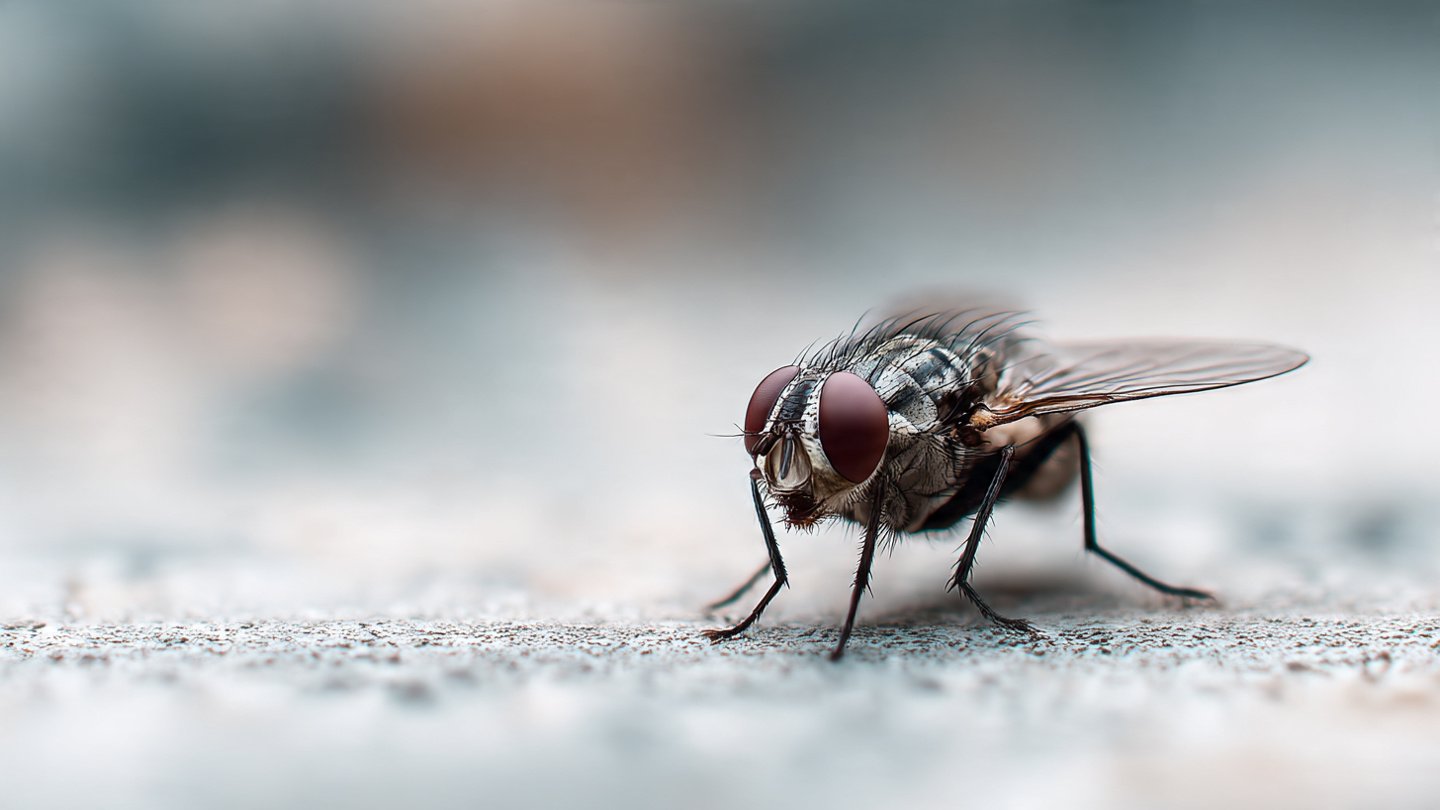
Flies are often seen as annoying pests, particularly in the kitchen, where they can ruin the ambiance of cooking and dining. But why exactly are flies so attracted to our kitchens? Understanding the reasons behind this can aid in preventing infestations and maintaining a more hygienic environment. In this article, we will explore the biology of flies, their attraction to specific elements in your kitchen, and effective strategies to keep them at bay.
The Biology of Flies
Flies belong to the order Diptera, which includes thousands of species. The most common types found in kitchens are house flies (Musca domestica), fruit flies (Drosophila melanogaster), and drain flies (Psychoda spp.). Each species has unique feeding habits and attraction factors, which influence their presence in your kitchen.
House Flies
House flies are opportunistic feeders, which means they will eat just about anything organic, from decaying food to wastes produced by other animals. Their diet primarily consists of decomposing matter, and they have a keen sense of smell, allowing them to detect food sources from great distances. Female house flies can lay up to 1,000 eggs in their short lifespans (typically 15 to 30 days), making them particularly prolific.
Fruit Flies
Fruit flies are much smaller and are chiefly attracted to overripe or decaying fruit, vegetables, and sugary substances. They tend to lay their eggs in these decomposing foods, which serve as a perfect food source for their larvae once they hatch.

Drain Flies
Drain flies, also known as sewer flies, are drawn to moist environments, particularly areas with standing water or organic matter. They thrive in drains, where they lay eggs in the sludge that builds up. Although they don’t feed on food directly, their presence in kitchens signals that there are unsanitary conditions nearby.
Latest Posts
- With Just 1 Bottle of Water How I Was Shocked by What Happened When Growing Vegetables
- Maximize Your Home Garden with the Hanging Pea Sprout Growing Model – Space-Saving, High-Yield, and Easy-to-Manage Vertical Gardening Solution
- Just Water – The Secret to Growing Plump, White Peanut Sprouts Right at Home: A Step-by-Step Guide for Beginners
- Growing Zucchini at Home in a Container: How to Cultivate Large, Long Fruits with a 1-to-72 Day Step-by-Step Diary for Maximum Yield
- Grow Long Beans on the Terrace in Used Recycling Baskets: The Ultimate Guide to Easy, Space-Saving, and High-Yield Terrace Gardening
- How to Grow Tons of Long Beans Easily Without a Garden – A Complete Guide to Growing Healthy Yardlong Beans Without Fertilizers or Pesticides
- Easy Long Bean Growing Trick – No Garden, No Fertilizer, No Pesticide
- Grow Bitter Melon in Bottles — Harvest So Big You Can’t Eat It All! The Ultimate Guide to Bottle Gardening for Maximum Yields
- Growing Garlic Made Easy: No Soil, Fast Results – The Ultimate Guide to Growing Fresh Garlic Indoors Without Traditional Soil
- Wall-Mounted Hydroponic Watermelon System: Grow Large, Juicy, and Delicious Watermelons at Home with Minimal Space and Maximum Yield
Why Flies are Attracted to Your Kitchen
Several factors make kitchens particularly inviting to flies, ranging from the smells emitted from food to the availability of breeding grounds.
1. Food Sources
The most apparent attraction is food. Kitchens often house a variety of foods in different stages of ripeness and decay. Flies are particularly drawn to:
- Fruits and Vegetables: Overripe or damaged produce releases ethylene gas, which attracts fruit flies.
- Sugary Substances: Spills or leftovers with sugar, such as soda or syrup, can attract various fly species.
- Animal Products: Meat, dairy, and eggs are rich in nutrients and can be immensely appealing to house flies.
2. Decaying Matter
Flies are also attracted to waste and decaying matter, which serves as prime breeding grounds. This includes:

- Garbage Bins: Food scraps in trash cans are an open invitation for flies.
- Compost Bins: If not managed properly, compost can become a breeding ground for various fly species.
- Sinks and Drains: Residue left in drains can attract drain flies, as it provides a perfect environment for nesting.
3. Smells
Flies have a sophisticated sense of smell, which they use to locate food. They are attracted to:
- Ferments: The smell of fermenting foods is particularly enticing to fruit flies.
- Dishes Left Unwashed: Leftover food bits on dishes can emit odorous compounds that attract flies.
- Pet Food: Open containers of pet food can draw flies, especially if they overflow with residues.
4. Breeding Sites
These insects thrive in environments conducive to laying eggs. A few critical breeding sites in the kitchen include:
- Moist Areas: Conditions such as wet mops, sponges, or leaks can create favorable conditions for flies to breed.
- Garbage: Leftover food and moisture in trash cans provide ideal breeding conditions.
- Dirty Dishes: Residual food on dishes can lead to fly infestations.
5. Shelter and Access
Kitchens offer numerous hiding spots for flies, making it easy for them to infest your home unnoticed. They can easily enter through:
- Open Windows and Doors: Lack of screens on doors and windows allows easy access.
- Cracks and Gaps: Even the tiniest openings can act as gateways for these pests.
- Fruits and Vegetables: Flies often hitch a ride into your home on grocery products.
The Health Risks Associated with Flies
Flies aren’t just annoying; they can also pose significant health risks. They are known to carry numerous pathogens and bacteria due to their feeding habits.

Disease Transmission
Flies feed on decomposing matter, which can harbor pathogens. They can transfer contaminants to food and surfaces in your kitchen. Some of the diseases that flies can transmit include:
- Salmonella: These bacteria can cause severe gastrointestinal distress and are often associated with contaminated food.
- E. coli: Flies can carry E. coli, leading to foodborne illnesses.
- Dysentery: House flies are known vectors for this disease, which causes severe diarrhea and dehydration.
Allergic Reactions
Some individuals may experience allergic reactions to fly droppings or their body parts. It can lead to respiratory issues, such as asthma and other allergic conditions.
Strategies to Prevent Flies in Your Kitchen
Now that we understand why flies are attracted to kitchens, the next logical step is implementing preventative measures. A multi-faceted approach will yield the best results.
1. Maintain Cleanliness
A clean kitchen is the most effective deterrent against flies.

- Regular Cleaning: Clean surfaces, floors, and appliances regularly to eliminate any food residue.
- Dispose of Garbage Properly: Keep garbage sealed in tight containers and take it out frequently.
- Wash Dishes Immediately: Avoid leaving dirty dishes lying around.
2. Use Proper Food Storage
Proper storage of food not only keeps it fresh but also prevents attracting flies.
- Seal Food Items: Use airtight containers to store food, especially ripe fruits and leftovers.
- Refrigerate: Perishable items should be kept in the fridge as much as possible.
3. Drain Maintenance
Keep drains clean to avoid attracting drain flies.
- Regular Cleaning: Use vinegar or baking soda to clean drains and remove organic matter.
- Use a Drain Cover: Install screens or covers to prevent flies from accessing the breeding grounds.
4. Close Entry Points
Prevent flies from entering your home.
- Screens: Install screens on windows and doors.
- Sealing Gaps: Inspect and seal any cracks or gaps in walls or around pipes.
5. Natural Deterrents
There are natural substances that can deter flies.

- Essential Oils: Oils such as peppermint, eucalyptus, and lavender have been shown to repel flies.
- Herbs: Keeping pots of herbs like basil or mint on windowsills can help ward off these pests.
6. Use Traps
If flies have already entered your kitchen, consider using traps to capture them.
- Sticky Traps: These can be placed in areas where flies frequent.
- Homemade Traps: A simple vinegar trap can be created using a bowl of apple cider vinegar covered with plastic wrap with holes poked in it.
Conclusion
Understanding why flies are drawn to your kitchen is crucial in keeping them at bay. The intersections of food, moisture, and shelter create an inviting environment for these pesky insects. By maintaining a clean kitchen, properly storing food, and employing natural deterrents, you can dramatically reduce the likelihood of fly infestations. Ultimately, a proactive approach not only enhances your kitchen’s hygiene but also your overall health and well-being.
By recognizing the reasons behind their attraction and implementing these preventative measures, you can enjoy a fly-free kitchen and a more pleasant cooking experience.