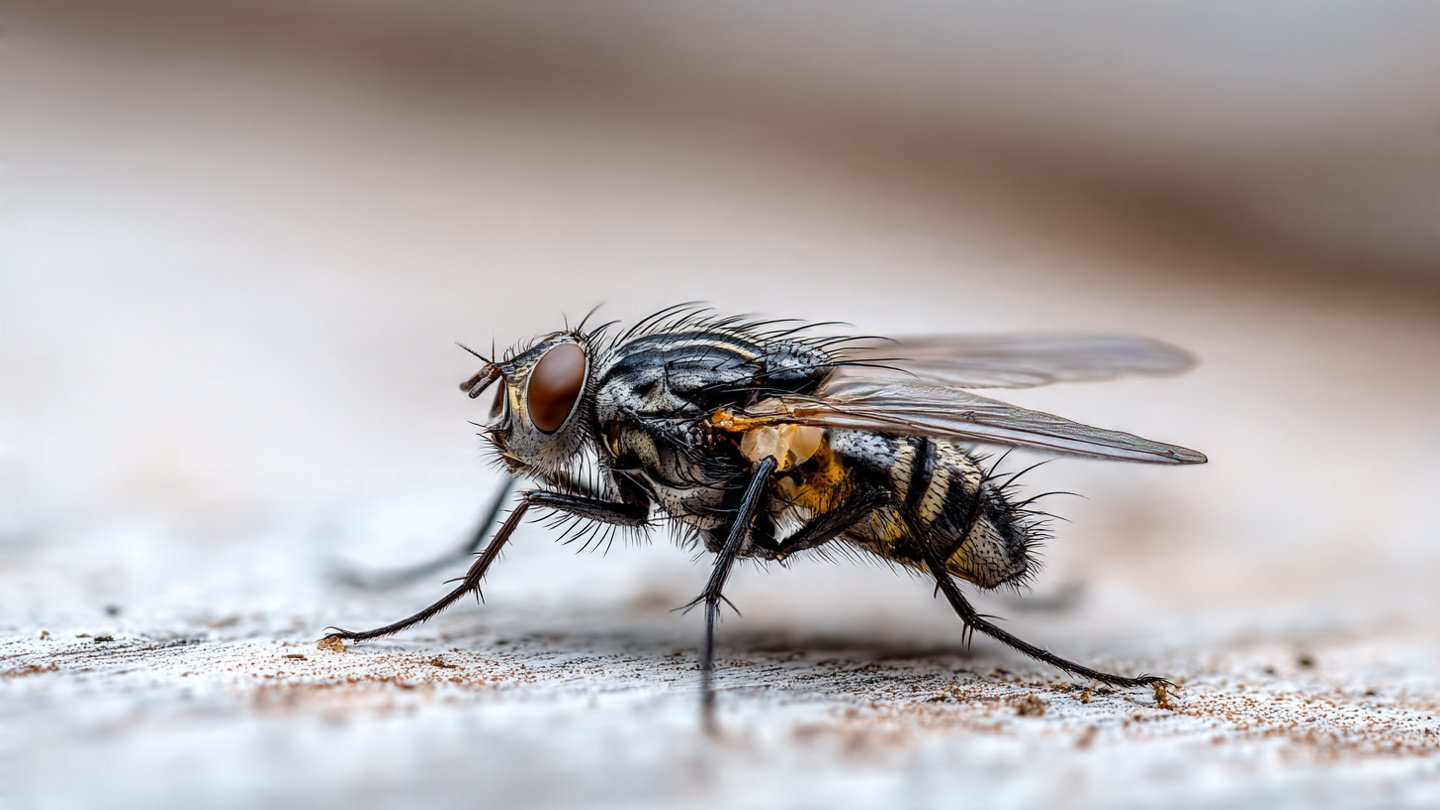
Flies are more than just a nuisance; they can pose significant health risks, particularly in the kitchen. Understanding the common causes of fly invasions and implementing effective solutions is essential for maintaining a hygienic living environment. This article delves into the types of flies commonly found in kitchens, their attractants, and practical methods for prevention and control.
Types of Flies Commonly Found in Kitchens
1. House Flies (Musca domestica)
Latest Posts
- With Just 1 Bottle of Water How I Was Shocked by What Happened When Growing Vegetables
- Maximize Your Home Garden with the Hanging Pea Sprout Growing Model – Space-Saving, High-Yield, and Easy-to-Manage Vertical Gardening Solution
- Just Water – The Secret to Growing Plump, White Peanut Sprouts Right at Home: A Step-by-Step Guide for Beginners
- Growing Zucchini at Home in a Container: How to Cultivate Large, Long Fruits with a 1-to-72 Day Step-by-Step Diary for Maximum Yield
- Grow Long Beans on the Terrace in Used Recycling Baskets: The Ultimate Guide to Easy, Space-Saving, and High-Yield Terrace Gardening
- How to Grow Tons of Long Beans Easily Without a Garden – A Complete Guide to Growing Healthy Yardlong Beans Without Fertilizers or Pesticides
- Easy Long Bean Growing Trick – No Garden, No Fertilizer, No Pesticide
- Grow Bitter Melon in Bottles — Harvest So Big You Can’t Eat It All! The Ultimate Guide to Bottle Gardening for Maximum Yields
- Growing Garlic Made Easy: No Soil, Fast Results – The Ultimate Guide to Growing Fresh Garlic Indoors Without Traditional Soil
- Wall-Mounted Hydroponic Watermelon System: Grow Large, Juicy, and Delicious Watermelons at Home with Minimal Space and Maximum Yield
House flies are the most common indoor fly species. They are about 1/4 inch long, grayish with four distinct stripes on their thorax. They are particularly attracted to decaying organic matter and kitchen waste, making them a prevalent pest in homes that have not been maintained properly.
2. Fruit Flies (Drosophila spp.)
Fruit flies are small, usually around 1/8 inch long, with tan bodies and red eyes. They are often found buzzing around overripe or fermenting fruits, vegetables, and sticky spills. Their rapid reproduction rate makes them a significant concern in kitchens.
3. Drain Flies (Psychodidae)
Recognizable by their fuzzy wings and moth-like appearance, drain flies are typically found near sinks, drains, and other moist environments. They breed in organic matter accumulated in drains and sewage systems, making kitchens prime targets.
4. Blow Flies (Calliphoridae)

Often metallic blue or green, blow flies are attracted to decomposing animal carcasses and refuse. Though they are less common indoors, they can invade kitchens if food is improperly stored or waste is left unattended.
Common Causes of Fly Invasions
1. Food Sources
Flies are attracted to food spills, crumbs, and uncovered food. Overripe fruits, open containers of food, and garbage can act as irresistible bait. Even the smallest traces of food can attract these pests.
2. Waste Management Issues
Poor waste management practices, such as not sealing trash cans or leaving organic waste uncovered, can contribute significantly to fly invasions. Flies are experts at detecting decomposing matter, leading them directly to your kitchen.
3. Moisture and Breeding Grounds
Many flies, especially drain and fruit flies, are attracted to moisture. Leaky pipes, standing water, or damp towels can provide an ideal breeding environment. Kitchens with inadequate ventilation are particularly susceptible.
4. Infestation of Other Areas
Flies can quickly migrate from infested areas such as gardens or compost bins into your kitchen. This migration can bring a host of pests that weren’t initially present.

5. Structural Problems
Cracks in windows, gaps in doors, and poorly sealed vents can allow flies easy access into your kitchen. Structural issues should be addressed promptly to minimize the chance of fly infestations.
Solutions for Preventing Fly Invasions
1. Maintain Cleanliness
The first line of defense against fly invasions is maintaining cleanliness in your kitchen. Frequent cleaning can significantly reduce food sources:
-
Regular Cleaning: Wipe down surfaces, clean spills immediately, and maintain a clean sink area. Pay attention to less visible areas like countertops, under appliances, and behind trash cans.
-
Proper Food Storage: Store food in airtight containers to deter flies. Refrigerate ripened fruits and vegetables and keep baked goods sealed.
2. Effective Waste Management

Proper trash disposal and management can significantly reduce fly attraction in your kitchen:
-
Seal Trash Containers: Use trash cans with tight-fitting lids. Empty them regularly, especially if they contain organic materials.
-
Compost Wisely: If you compost, ensure it’s managed properly. Cover compost bins and be cautious about what you add. Anaerobic materials can attract flies.
3. Address Moisture Problems
Reducing excess moisture can prevent fly breeding:
-
Fix Leaks: Repair leaking pipes and fixtures immediately. Check for damp areas, and dry them thoroughly.
-
Proper Ventilation: Ensure your kitchen has adequate ventilation. Use exhaust fans to keep humidity down during cooking and cleaning.

4. Inspect and Seal Entry Points
Preventing flies from entering is just as crucial as removing them:
-
Seal Cracks and Gaps: Inspect windows, doors, and vents for gaps. Use caulk or weather stripping to seal any openings.
-
Install Screens: Use mesh screens on windows and doors to keep flies out while allowing fresh air in.
5. Use Traps and Repellents
If flies are already present in your kitchen, a combination of traps and natural repellents can help:
-
Fly Traps: Commercial fly traps or DIY options, such as vinegar traps for fruit flies (using a mix of apple cider vinegar and dish soap), can effectively catch flying pests.

-
Natural Repellents: Essential oils like citronella, eucalyptus, and peppermint can deter flies. Use a diffuser or mix with water as a spray.
6. Professional Pest Control
If your fly problem persists despite your best efforts, consider enlisting the help of pest control professionals. They can identify the source of the infestation and apply effective treatments that are safe for kitchens and homes.
Conclusion
Kitchen fly invasions can disrupt daily life and pose health risks. By understanding the common causes of these infestations—from food sources to structural issues—and implementing effective prevention and control measures, you can safeguard your kitchen. Regular cleaning, proper waste management, addressing moisture issues, sealing entry points, and employing traps or repellents are all critical in keeping flies at bay. If faced with a persistent problem, professional assistance can provide an additional layer of protection. By taking proactive measures, you can ensure a clean, safe, and fly-free kitchen.