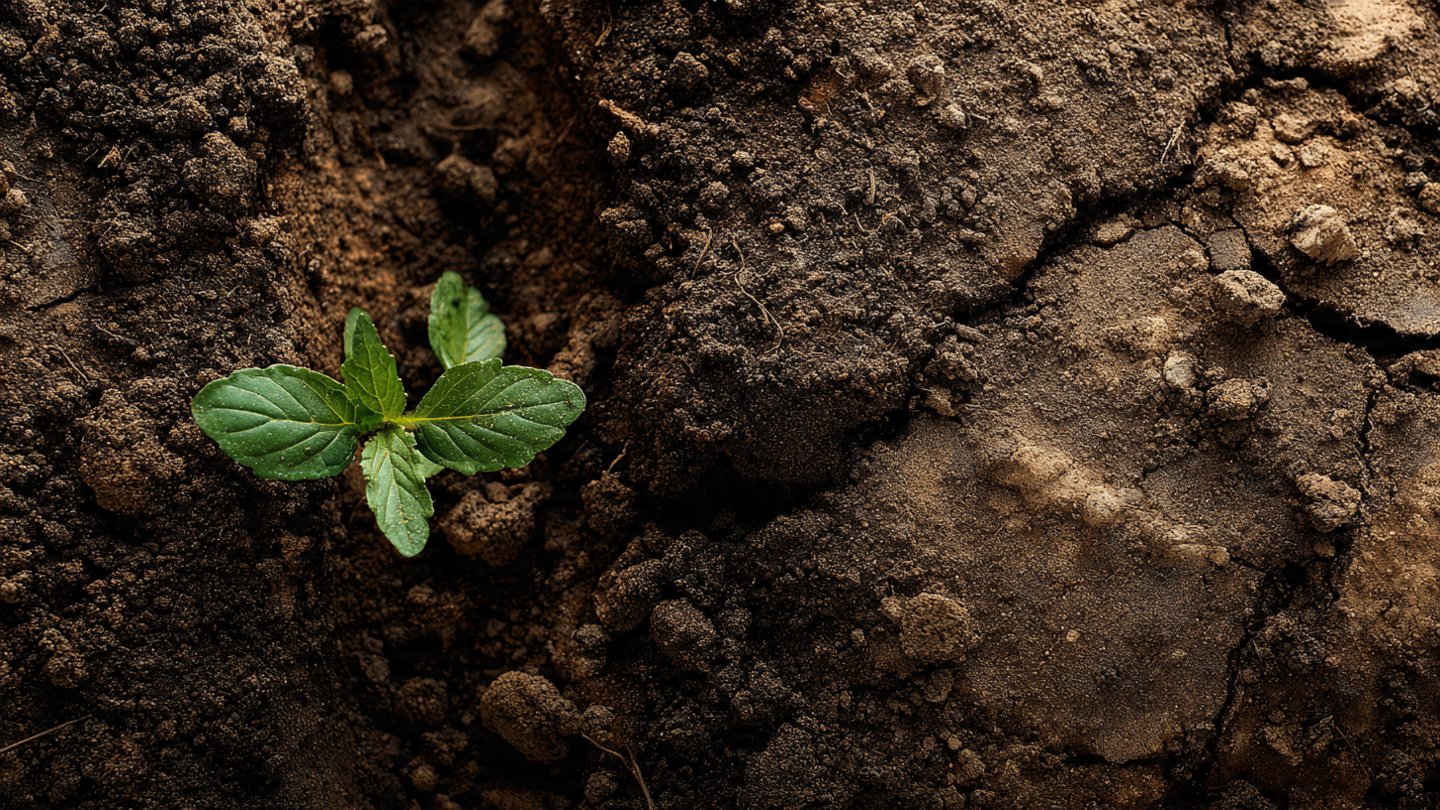
Soil is a critical component of any ecosystem, serving as a foundation for plant life and influencing crop production. One of the key factors that affect soil properties is its texture, which refers to the size and distribution of soil particles. This article delves into the various types of soil textures, their characteristics, and how they influence plant growth and development.
What is Soil Texture?
Soil texture describes the composition of soil based on the size of its particles. It is primarily classified into three categories:
Latest Posts
- With Just 1 Bottle of Water How I Was Shocked by What Happened When Growing Vegetables
- Maximize Your Home Garden with the Hanging Pea Sprout Growing Model – Space-Saving, High-Yield, and Easy-to-Manage Vertical Gardening Solution
- Just Water – The Secret to Growing Plump, White Peanut Sprouts Right at Home: A Step-by-Step Guide for Beginners
- Growing Zucchini at Home in a Container: How to Cultivate Large, Long Fruits with a 1-to-72 Day Step-by-Step Diary for Maximum Yield
- Grow Long Beans on the Terrace in Used Recycling Baskets: The Ultimate Guide to Easy, Space-Saving, and High-Yield Terrace Gardening
- How to Grow Tons of Long Beans Easily Without a Garden – A Complete Guide to Growing Healthy Yardlong Beans Without Fertilizers or Pesticides
- Easy Long Bean Growing Trick – No Garden, No Fertilizer, No Pesticide
- Grow Bitter Melon in Bottles — Harvest So Big You Can’t Eat It All! The Ultimate Guide to Bottle Gardening for Maximum Yields
- Growing Garlic Made Easy: No Soil, Fast Results – The Ultimate Guide to Growing Fresh Garlic Indoors Without Traditional Soil
- Wall-Mounted Hydroponic Watermelon System: Grow Large, Juicy, and Delicious Watermelons at Home with Minimal Space and Maximum Yield
- Sand: Particles range from 0.05 mm to 2.0 mm. Sandy soils have a gritty feel and drain quickly.
- Silt: Particles range from 0.002 mm to 0.05 mm. Silty soils are smoother and retain moisture better than sandy soils.
- Clay: Particles are smaller than 0.002 mm. Clay soils are sticky when wet and can become hard and compact when dry.
The relative proportion of these three components determines the overall texture of the soil, which can be further classified into various types, including sandy, loamy, silty, and clayey soils.
The Importance of Soil Texture
Soil texture significantly influences multiple soil properties, including:
- Water retention: Different textures determine how much water the soil can hold and how quickly it drains.
- Nutrient availability: Texture affects the soil’s ability to hold and exchange nutrients.
- Root penetration: The size and arrangement of particles influence how easily roots can penetrate the soil.
- Microbial activity: Soil texture influences the habitat’s suitability for soil microorganisms.
Types of Soil Textures and Their Characteristics
Sandy Soils
Sandy soils contain a large proportion of sand particles, making them well-draining. Their primary benefits include:
- Rapid drainage minimizes the risk of waterlogging.
- Warm up quickly in the spring, promoting early plant growth.
However, sandy soils have disadvantages. They are prone to nutrient leaching and generally require more frequent irrigation and fertilization.
Silty Soils
Silty soils contain a higher proportion of silt, making them smoother and enabling better moisture retention. Key characteristics include:
- Good nutrient-holding capacity, facilitating plant growth.
- Better water retention than sandy soils, but can become compacted easily.
These soils are generally favored for a wide variety of crops, particularly those requiring adequate moisture availability.
Clay Soils
Clay soils consist of tiny particles that form very dense masses when wet. Benefits of clay soils include:
- High nutrient and water retention, ideal for certain crops.
- Resistance to erosion due to density.
However, clay soils also have significant drawbacks such as poor drainage, which can lead to root diseases and limited aeration for roots.
How Soil Texture Affects Plant Growth
The impact of soil texture on plant growth can be profound. Here are several factors to consider:
Water Supply
Soil texture plays a crucial role in water availability. Sandy soils drain quickly, which can lead to drought stress for plants that require consistent moisture. Conversely, clay soils may hold excessive moisture, drowning roots and leading to stress. An optimal balance of sand, silt, and clay (loamy soil) provides a good compromise that supports diverse plant growth.
Nutrient Availability
Different soil textures have varying capacities for holding nutrients. Sandy soils, while well-draining, often lose nutrients quickly through leaching. Clay soils, with their larger surface area, can hold more nutrients but may restrict the availability due to waterlogged conditions. In contrast, loamy soils strike a satisfactory balance, providing a conducive environment for nutrient retention and availability.
Root Development
Soil texture directly affects root structure and performance. Root penetration is easier in well-aerated, loose soils like sandy and loamy soils. In contrast, compacted clay soils may hinder root development, limiting a plant’s overall growth potential.
Plant Type Preferences
Different plants have adaptations that favor specific soil textures. For example:
- Root vegetables like carrots and radishes thrive in loose sandy soils for easier penetration.
- Crops like rice prefer clay soil due to moisture retention.
- Fruit crops generally prefer loamy soils that balance drainage and moisture retention.
Improving Soil Texture
Farmers and gardeners often look for ways to improve soil texture to optimize plant growth. Here are a few strategies:
- Add Organic Matter: Incorporating compost, well-rotted manure, or organic mulches can enhance soil structure, improving both sandy and clay soils.
- Crop Rotation: Rotating crops can help enhance soil health and texture by preventing the depletion of specific nutrients.
- Cover Crops: Growing cover crops can prevent erosion and improve soil structure.
Conclusion
Understanding soil texture is essential for anyone involved in agriculture or gardening. Soil texture influences various factors critical to plant growth, including water retention, nutrient availability, and root development. By recognizing the unique characteristics of different soil types, landowners can make informed decisions that will enhance plant health and productivity. With proper management techniques, the adverse effects of different textures can be mitigated, promoting a productive and sustainable growing environment.
FAQs
1. How can I determine my soil’s texture?
You can determine soil texture through a simple jar test by mixing soil with water and allowing it to settle. The proportions of sand, silt, and clay can then be analyzed based on the layers that form.
2. Can soil texture be changed?
Yes, soil texture can be improved over time by adding organic matter, adjusting pH, and using various soil management practices to promote better structure and nutrient retention.
3. What is the ideal soil texture for most plants?
Loamy soil, which contains a balanced mix of sand, silt, and clay, is generally considered the ideal texture for most plants due to its favorable attributes for drainage, nutrient retention, and root penetration.
4. Are there specific plants for sandy or clay soils?
Yes, certain plants are better adapted to specific textures. For instance, succulents thrive in sandy, well-drained soils, while rice and certain other crops prefer the dense moisture-retaining nature of clay soils.
5. How does soil texture affect soil temperature?
Soil texture influences soil temperature by affecting its heat capacity. Sandy soils heat up quickly while clay soils retain heat longer, impacting plant growth and development during varying temperatures.