Introduction
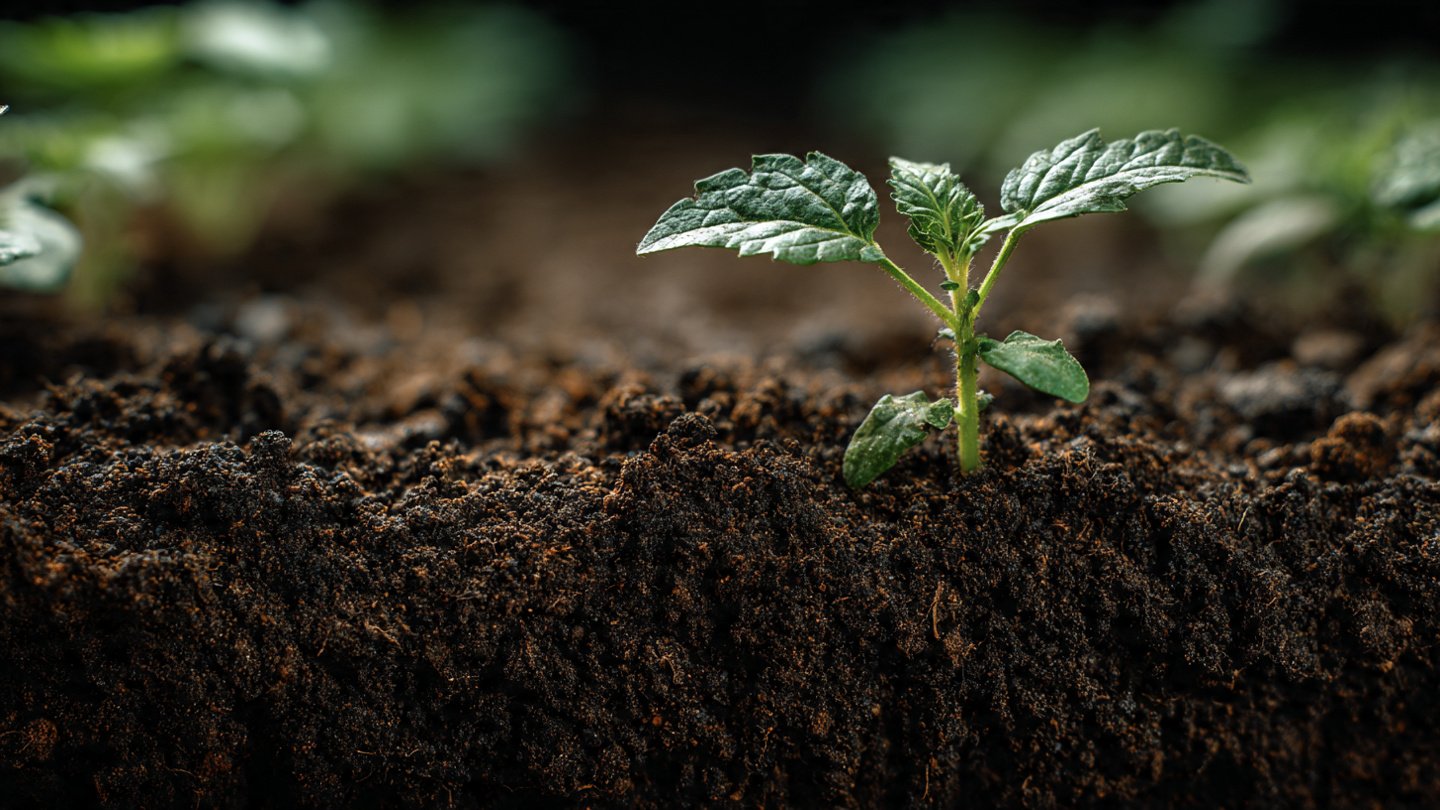
Soil is a complex and dynamic component of the ecosystem, playing a vital role in plant growth and agricultural productivity. One critical aspect of soil is its texture, which refers to the relative proportions of different-sized mineral particles in the soil. These particles are categorized into three main types: sand, silt, and clay. Understanding soil texture is imperative for farmers, gardeners, and anyone involved in horticulture or land management as it significantly affects water retention, nutrient availability, and root growth.
Latest Posts
- With Just 1 Bottle of Water How I Was Shocked by What Happened When Growing Vegetables
- Maximize Your Home Garden with the Hanging Pea Sprout Growing Model – Space-Saving, High-Yield, and Easy-to-Manage Vertical Gardening Solution
- Just Water – The Secret to Growing Plump, White Peanut Sprouts Right at Home: A Step-by-Step Guide for Beginners
- Growing Zucchini at Home in a Container: How to Cultivate Large, Long Fruits with a 1-to-72 Day Step-by-Step Diary for Maximum Yield
- Grow Long Beans on the Terrace in Used Recycling Baskets: The Ultimate Guide to Easy, Space-Saving, and High-Yield Terrace Gardening
- How to Grow Tons of Long Beans Easily Without a Garden – A Complete Guide to Growing Healthy Yardlong Beans Without Fertilizers or Pesticides
- Easy Long Bean Growing Trick – No Garden, No Fertilizer, No Pesticide
- Grow Bitter Melon in Bottles — Harvest So Big You Can’t Eat It All! The Ultimate Guide to Bottle Gardening for Maximum Yields
- Growing Garlic Made Easy: No Soil, Fast Results – The Ultimate Guide to Growing Fresh Garlic Indoors Without Traditional Soil
- Wall-Mounted Hydroponic Watermelon System: Grow Large, Juicy, and Delicious Watermelons at Home with Minimal Space and Maximum Yield
What is Soil Texture?
Soil texture refers to the texture of the soil based on the size and distribution of its particles. The three primary types of soil particles are:
- Sand: Coarse particles ranging from 0.05 to 2.0 mm in diameter. Sand drains quickly and warms up faster than other soil types but has a low nutrient retention capacity.
- Silt: Medium-sized particles between 0.002 and 0.05 mm. Silt holds more water than sand and retains nutrients better, making it easier for plant roots to access them.
- Clay: Fine particles less than 0.002 mm. Clay has high nutrient retention and moisture-holding capacity but can become compacted, restricting root growth and water drainage.

The specific combination of these particles creates different types of soil textures, such as sandy, silty, clayey, and loamy soils. A loamy soil, for example, typically contains a balanced mixture of sand, silt, and clay, making it ideal for most plant growth.
Importance of Soil Texture in Plant Growth
Soil texture has a profound impact on various aspects of plant growth, including:
1. Water Retention and Drainage
The texture of the soil affects its ability to retain water. Sandy soils drain quickly but do not hold moisture well, making it difficult for plants to access water. In contrast, clay soils retain water but may become waterlogged, which can suffocate roots and promote root rot. Loamy soils offer the best balance, retaining enough water to support plant growth while draining excess moisture effectively.
2. Nutrient Availability
Soil texture also influences nutrient retention. Clay particles have a negative charge, which enables them to hold onto positively charged nutrients (cations) like potassium, calcium, and magnesium, making them available to plants. Sandy soils, with their larger particle size, lack this nutrient retention capability, requiring more frequent fertilization.
3. Root Growth
Soil texture affects how easily roots can penetrate the soil. Sandy soils, with loose particle arrangement, allow for deep root penetration but may not retain enough moisture or nutrients. Clay soils can be dense and compacted, making it challenging for roots to expand. Using amendments such as organic matter can help improve soil structure, making it more conducive to root growth.
4. Biological Activity
Soil texture impacts the biological community, including microorganisms and beneficial fungi. These organisms play a crucial role in decomposing organic matter and cycling nutrients. Loamy soils support a thriving biological community due to their balanced texture, while overly sandy or compacted soils may have reduced biological activity.
How to Determine Soil Texture
Understanding soil texture is essential for effective soil management. There are several methods to determine soil texture, including:
1. Feel Test
This simple method requires rubbing a small amount of moist soil between your fingers. If the soil feels gritty, it indicates the presence of sand. If it feels smooth or slippery, you likely have silt or clay.
2. Sedimentation Test
This involves mixing soil with water in a jar and allowing it to settle. Sand settles quickly at the bottom, followed by silt and then clay. By measuring the layers, you can calculate the percentage of each particle type.

3. Soil Texture Triangle
The soil texture triangle is a graphical representation that helps categorize soil texture based on the percentages of sand, silt, and clay. By plotting your results on this triangle, you can quickly determine the soil type.
Improving Soil Texture
If your soil texture is not ideal for plant growth, there are several ways to improve it:
1. Adding Organic Matter
Incorporating compost, well-rotted manure, or leaf mold can enhance soil structure, improve nutrient retention, and boost biological activity, regardless of the existing texture.
2. Mulching
Applying a layer of mulch helps retain moisture, suppress weeds, and gradually adds organic matter back to the soil as it decomposes.
3. Soil Amendments
For sandy soils, adding clay or organic matter can enhance water and nutrient retention. Conversely, for clayey soils, incorporating sand and organic matter can improve drainage and aeration.
Conclusion
Understanding soil texture is a cornerstone of effective gardening and agriculture. The type of soil in which plants grow directly affects their health, productivity, and sustainability. By recognizing the importance of soil texture and its implications on water retention, nutrient availability, root growth, and biological activity, landowners, farmers, and gardeners can make informed decisions to enhance soil quality. Whether through the feel test, sedimentation, or amendments, improving soil texture can create an optimal growing environment for plants, contributing to healthier ecosystems and more sustainable agricultural practices.
FAQs
What are the three types of soil particles?
The three types of soil particles are sand, silt, and clay, each varying in size and characteristics that affect soil texture.
How does soil texture affect drainage?
Sandy soils drain quickly due to their large particle size, while clay soils retain water, which can lead to poor drainage and root suffocation if overly saturated.
Can I change my soil texture?
Yes, you can improve soil texture by adding organic matter, using soil amendments, or using practices like mulching to enhance moisture retention and nutrient availability.
What is the best soil texture for plant growth?
Loamy soil, which balances sand, silt, and clay, is often considered the best for most plant growth due to its optimal water retention, nutrient availability, and good drainage.
How often should I test my soil texture?
It’s advisable to test soil texture every few years or whenever you notice changes in plant health or soil conditions. Regular testing can help you make needed adjustments for better growth.