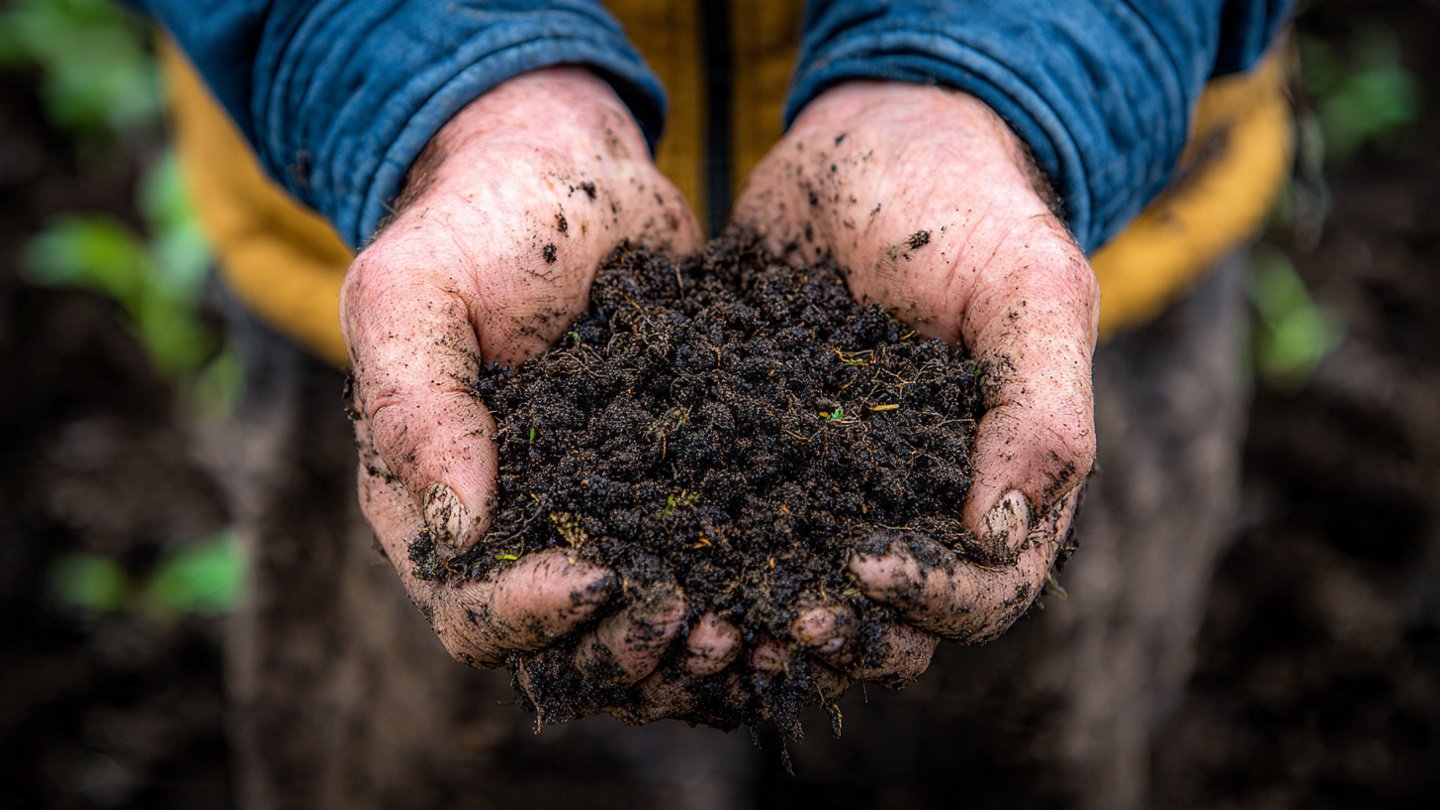
Soil is more than just dirt; it is a complex ecosystem that supports plant life and influences water quality, nutrient cycles, and climate regulation. Understanding the factors that contribute to soil health and structure is essential for sustainable agriculture, gardening, and environmental conservation. In this article, we will explore various elements that play a significant role in shaping soil habits.
The Importance of Soil Health
Healthy soil is the foundation of productive ecosystems. It not only provides nutrients to plants but also acts as a habitat for countless organisms, regulates water, and sequesters carbon. Poor soil health can lead to reduced agricultural yields, compromised water quality, and diminished ecosystem resilience. Therefore, assessing and improving soil health is crucial for ensuring food security and environmental sustainability.
Latest Posts
- With Just 1 Bottle of Water How I Was Shocked by What Happened When Growing Vegetables
- Maximize Your Home Garden with the Hanging Pea Sprout Growing Model – Space-Saving, High-Yield, and Easy-to-Manage Vertical Gardening Solution
- Just Water – The Secret to Growing Plump, White Peanut Sprouts Right at Home: A Step-by-Step Guide for Beginners
- Growing Zucchini at Home in a Container: How to Cultivate Large, Long Fruits with a 1-to-72 Day Step-by-Step Diary for Maximum Yield
- Grow Long Beans on the Terrace in Used Recycling Baskets: The Ultimate Guide to Easy, Space-Saving, and High-Yield Terrace Gardening
- How to Grow Tons of Long Beans Easily Without a Garden – A Complete Guide to Growing Healthy Yardlong Beans Without Fertilizers or Pesticides
- Easy Long Bean Growing Trick – No Garden, No Fertilizer, No Pesticide
- Grow Bitter Melon in Bottles — Harvest So Big You Can’t Eat It All! The Ultimate Guide to Bottle Gardening for Maximum Yields
- Growing Garlic Made Easy: No Soil, Fast Results – The Ultimate Guide to Growing Fresh Garlic Indoors Without Traditional Soil
- Wall-Mounted Hydroponic Watermelon System: Grow Large, Juicy, and Delicious Watermelons at Home with Minimal Space and Maximum Yield
Key Factors Influencing Soil Health and Structure
1. Soil Composition
The composition of soil refers to the proportion of sand, silt, and clay particles, as well as the presence of organic matter and minerals. This composition affects soil structure, texture, and fertility:
- Sand: Coarse particles that increase drainage but hold fewer nutrients.
- Silt: Medium-sized particles that retain moisture and nutrients better than sand.
- Clay: Fine particles that hold water and nutrients but can lead to poor drainage if present in high amounts.
- Organic Matter: Decomposed plant and animal residues that improve soil fertility and structure.

2. Soil pH
The pH level of soil indicates its acidity or alkalinity, ranging from 0 (very acidic) to 14 (very alkaline). Most plants thrive in soils with a pH of 6.0 to 7.5. Here are the effects of pH on soil health:
- Acidic soils (pH < 6.0) may result in nutrient deficiencies, especially in calcium and magnesium.
- Alkaline soils (pH > 7.5) can inhibit the availability of essential micronutrients like iron and manganese.
- Regular soil testing can help determine pH levels and guide the necessary adjustments.
3. Soil Microorganisms
Soils are teeming with microorganisms like bacteria, fungi, and protozoa that play essential roles in nutrient cycling and organic matter decomposition:
- Bacteria: Decompose organic matter and fix nitrogen from the atmosphere into a form usable by plants.
- Fungi: Help in breaking down complex organic materials and forming beneficial partnerships with plant roots.
- Protozoa: Consume bacteria and release nutrients in forms that plants can absorb.

4. Soil Structure
The arrangement of soil particles into aggregates affects water movement, root penetration, and aeration. Well-structured soil has stable aggregates that allow for:
- Improved water infiltration and retention.
- Enhanced aeration for roots and microorganisms.
- Decreased erosion risks.
5. Moisture Content
Soil moisture is essential for sustaining plant life. Adequate moisture not only supports plant growth but also affects microbial activity and nutrient availability:

- Excess moisture can lead to anaerobic conditions, which harm beneficial organisms and promote diseases.
- Insufficient moisture stresses plants and hinders growth.
- Soil moisture levels can be improved through practices like mulching and cover cropping.
6. Land Management Practices
The way land is managed plays a critical role in maintaining or degrading soil health. Practices that support soil health include:
- Crop Rotation: Prevents nutrient depletion and pest cycles.
- No-till Farming: Reduces soil disturbance and maintains structure.
- Cover Crops: Protect soil from erosion, improve its organic matter content, and enhance nutrient cycling.
- Organic Amendments: Incorporating compost and manure can boost soil fertility and microbial activity.
Conclusion

Understanding the key factors influencing soil health and structure is vital for sustainable agricultural practices and ecological preservation. A diverse range of elements, from soil composition and pH to the actions of microorganisms, contribute to the overall health of soil. Implementing effective land management practices can significantly improve soil quality, ensuring that it continues to support life for future generations. By investing time and resources into this critical resource, we can promote healthier ecosystems and more productive agricultural systems, ultimately benefiting the planet and its inhabitants.
FAQs
1. What is the best soil type for gardening?
The best soil for gardening is often a loamy soil, which contains a balanced mixture of sand, silt, and clay, along with ample organic matter. This type of soil retains moisture while providing good drainage and nutrient availability.
2. How can I test my soil’s pH?
You can test your soil’s pH using a simple DIY kit available at garden centers or through a professional soil lab. Follow the instructions for accurate results, which can help guide your soil management practices.
3. What are the signs that my soil is unhealthy?
Signs of unhealthy soil include poor plant growth, water pooling on the surface, excessive erosion, low organic matter, and the presence of weeds or pests. Regular monitoring and soil tests can help identify issues promptly.
4. Can soil health be restored?

Yes, soil health can often be restored through practices like adding organic matter, crop rotation, reduced tillage, and planting cover crops. It may take time, but improvement is usually achievable with committed management.
5. Why is organic matter important for soil health?
Organic matter improves soil structure, enhances nutrient and water retention, and boosts microbial activity. It is essential for creating a healthy and fertile soil environment that supports plant growth.