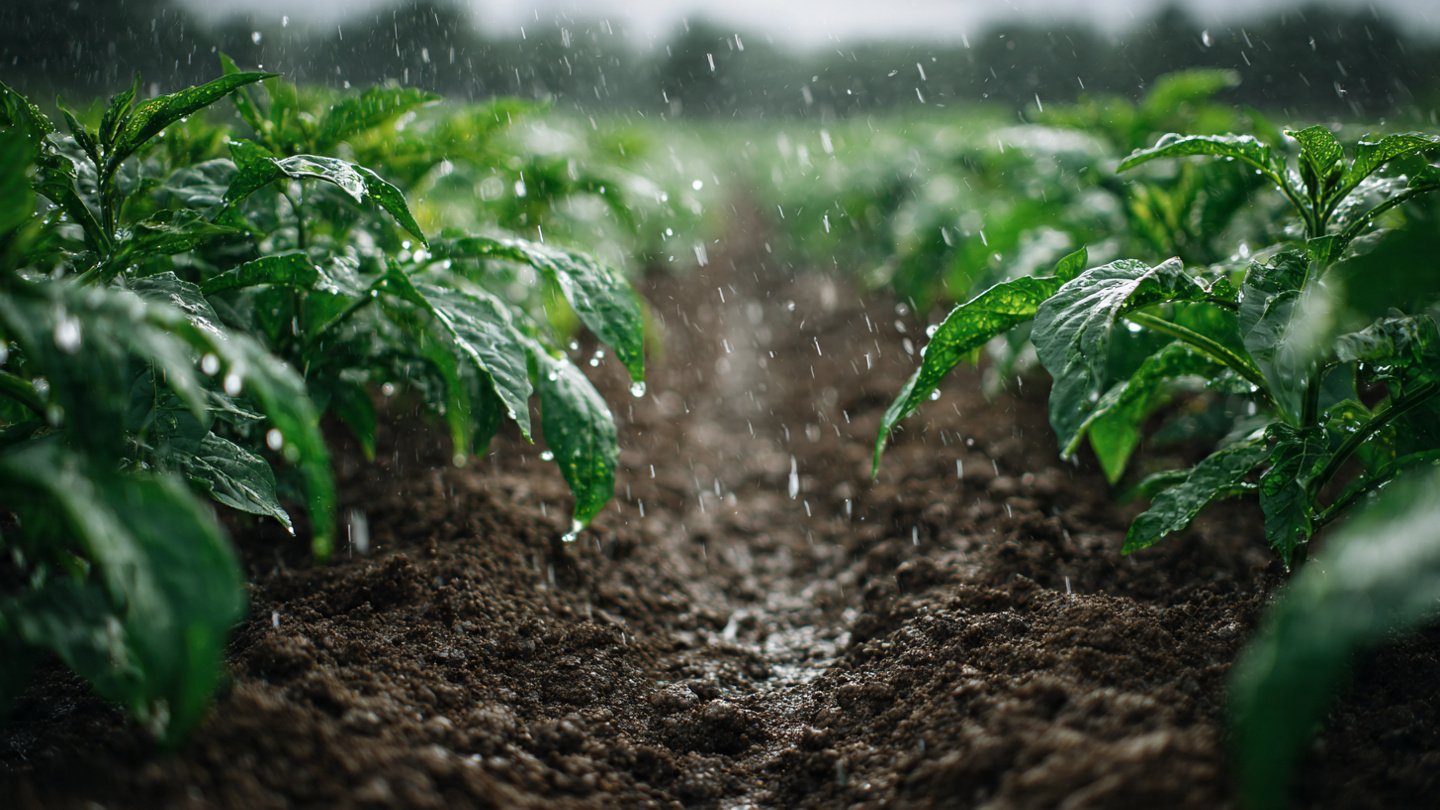
Soil health is crucial for sustainable agriculture and ecosystem stability. One of the primary factors that contribute to soil health is moisture balance. Understanding moisture balance can help farmers, gardeners, and land managers optimize their soil conditions, leading to enhanced productivity and ecosystem resilience. This article will explore the significance of moisture balance, the factors affecting it, its impact on soil health, and best practices for achieving optimal moisture levels.
What is Moisture Balance?
Moisture balance refers to the equilibrium between the water input and output in the soil system. It involves the processes of precipitation, evaporation, and transpiration, which contribute to the water cycle in ecosystems. Maintaining a proper moisture balance is essential because it affects nutrient availability, microbial activity, and plant growth.
Latest Posts
- With Just 1 Bottle of Water How I Was Shocked by What Happened When Growing Vegetables
- Maximize Your Home Garden with the Hanging Pea Sprout Growing Model – Space-Saving, High-Yield, and Easy-to-Manage Vertical Gardening Solution
- Just Water – The Secret to Growing Plump, White Peanut Sprouts Right at Home: A Step-by-Step Guide for Beginners
- Growing Zucchini at Home in a Container: How to Cultivate Large, Long Fruits with a 1-to-72 Day Step-by-Step Diary for Maximum Yield
- Grow Long Beans on the Terrace in Used Recycling Baskets: The Ultimate Guide to Easy, Space-Saving, and High-Yield Terrace Gardening
- How to Grow Tons of Long Beans Easily Without a Garden – A Complete Guide to Growing Healthy Yardlong Beans Without Fertilizers or Pesticides
- Easy Long Bean Growing Trick – No Garden, No Fertilizer, No Pesticide
- Grow Bitter Melon in Bottles — Harvest So Big You Can’t Eat It All! The Ultimate Guide to Bottle Gardening for Maximum Yields
- Growing Garlic Made Easy: No Soil, Fast Results – The Ultimate Guide to Growing Fresh Garlic Indoors Without Traditional Soil
- Wall-Mounted Hydroponic Watermelon System: Grow Large, Juicy, and Delicious Watermelons at Home with Minimal Space and Maximum Yield
Components of Moisture Balance
1. Precipitation
Precipitation is the primary source of moisture for the soil. Rainfall, snow, and other forms of precipitation contribute significantly to soil water content. The quantity and frequency of precipitation affect the soil’s moisture levels, making it essential to monitor regional rainfall patterns.
2. Evaporation
Evaporation is the process by which water is lost from the soil surface into the atmosphere. Factors such as temperature, humidity, and wind speed influence the rate of evaporation. High temperatures and low humidity levels can lead to significant moisture loss, impacting soil health.
3. Transpiration
Transpiration is the process through which plants absorb water through their roots and release it as vapor through stomata in their leaves. This process not only helps regulate moisture content in the soil but also plays a crucial role in nutrient uptake and cooling the plant.

4. Soil Moisture Retention
The ability of soil to retain water is vital for maintaining moisture balance. Factors such as soil texture, structure, and organic matter content influence water retention capacity. Sandy soils, for example, drain quickly and retain less moisture, while clay soils can hold more water but may have poor drainage.
Importance of Moisture Balance for Soil Health
Achieving and maintaining moisture balance is essential for several reasons:
Nutrient Availability
Water serves as a medium for transporting nutrients in the soil. When moisture levels are optimal, plants can access the nutrients they need for growth and development. A lack of moisture can lead to nutrient leaching, while excessive moisture can create anaerobic conditions that hinder nutrient availability.
Soil Microbial Activity
Soil microorganisms play a vital role in nutrient cycling and organic matter decomposition. Optimal moisture levels support the activity and diversity of soil microbes, which contribute to soil fertility. When soil is too dry, microbial activity slows down, while excessively wet conditions can promote harmful anaerobic bacteria.
Plant Health and Yield
A well-balanced moisture level directly affects plant health and yields. Plants require a consistent supply of moisture for optimal growth. Insufficient moisture can lead to stress, stunted growth, and even plant death. Conversely, overly saturated soil can lead to root rot and other diseases.

Soil Structure and Erosion Control
Moisture balance contributes to maintaining soil structure. Adequate moisture promotes stable aggregates, reducing erosion risks. On the other hand, dry soil may become compacted, while wet soil may become easily eroded, affecting land productivity.
Factors Affecting Moisture Balance
1. Climate
Climatic conditions significantly influence moisture balance. Regions with high rainfall may experience challenges related to excess moisture, while arid regions may struggle to maintain adequate moisture levels. Monitoring climatic trends is crucial for understanding moisture dynamics in a particular area.
2. Land Management Practices
Land management decisions, such as crop rotation, cover cropping, and tillage practices, can impact moisture balance. Practices that enhance organic matter content and improve soil structure can enhance moisture retention and reduce evaporation rates.
3. Soil Type and Composition
Different soil types have varying capacities for moisture retention. Understanding soil texture and composition helps land managers adopt strategies tailored for optimal water management. For instance, adding organic matter to sandy soils can improve moisture retention.
4. Vegetation Coverage

Vegetation plays a crucial role in moisture balance. It acts as a natural cover, reducing evaporation rates and enhancing water infiltration into the soil. Choosing the right plants for specific environments can help achieve an optimal moisture balance.
Best Practices for Achieving Optimal Moisture Balance
1. Monitor Soil Moisture Levels
Regularly monitoring soil moisture levels using moisture sensors or simple methods can help assess whether irrigation is necessary. This can prevent both overwatering and underwatering, promoting a healthier soil ecosystem.
2. Implement Mulching
Applying organic or inorganic mulch can help reduce evaporation rates, maintain soil temperature, and improve moisture retention. Mulching also adds organic matter as it decomposes, further enhancing soil health.
3. Practice Crop Rotation and Diversity
Diverse cropping systems can improve moisture retention and reduce diseases. Rotating crops can help break pest cycles and enhance soil health, allowing for better moisture management.
4. Use Cover Crops
Cover crops enhance soil structure and moisture retention. They provide ground cover, reducing evaporation and promoting water infiltration. Additionally, cover crops can prevent soil erosion and improve nutrient cycling.

5. Optimize Irrigation Methods
Employing efficient irrigation methods, such as drip irrigation or sprinkler systems, can help maintain moisture balance. These techniques ensure that water reaches the root zone effectively, minimizing losses due to evaporation.
Conclusion
Maintaining optimal moisture balance is essential for promoting soil health, enhancing plant growth, and ensuring sustainable agricultural practices. Understanding the components of moisture balance and the factors that influence it enables farmers and land managers to adopt practices that contribute to a healthier ecosystem. By implementing best practices, it is possible to achieve an optimal moisture balance, leading to improved soil health and increased agricultural resilience.
In summary, a proactive approach to managing moisture balance can lead to significant benefits for soil health, agricultural productivity, and environmental sustainability.
Frequently Asked Questions (FAQs)
1. How can I measure soil moisture levels?
You can use moisture sensors, soil moisture meters, or simple methods like the “squeeze test” to assess soil moisture levels.
2. What are the signs of overwatering plants?
Signs of overwatering include yellowing leaves, wilting despite wet soil, and mold growth on the soil surface.
3. How can I improve soil drainage?
Improving soil drainage can often be achieved by adding organic matter, using raised beds, or incorporating sand into clay soils to enhance aeration.
4. Is mulching beneficial for all types of soil?
Yes, mulching can benefit a range of soil types by reducing evaporation, stabilizing soil temperature, and improving moisture retention.
5. Can cover crops benefit arid regions?
Cover crops can be beneficial in arid regions as they help retain soil moisture, prevent erosion, and improve soil fertility over time.