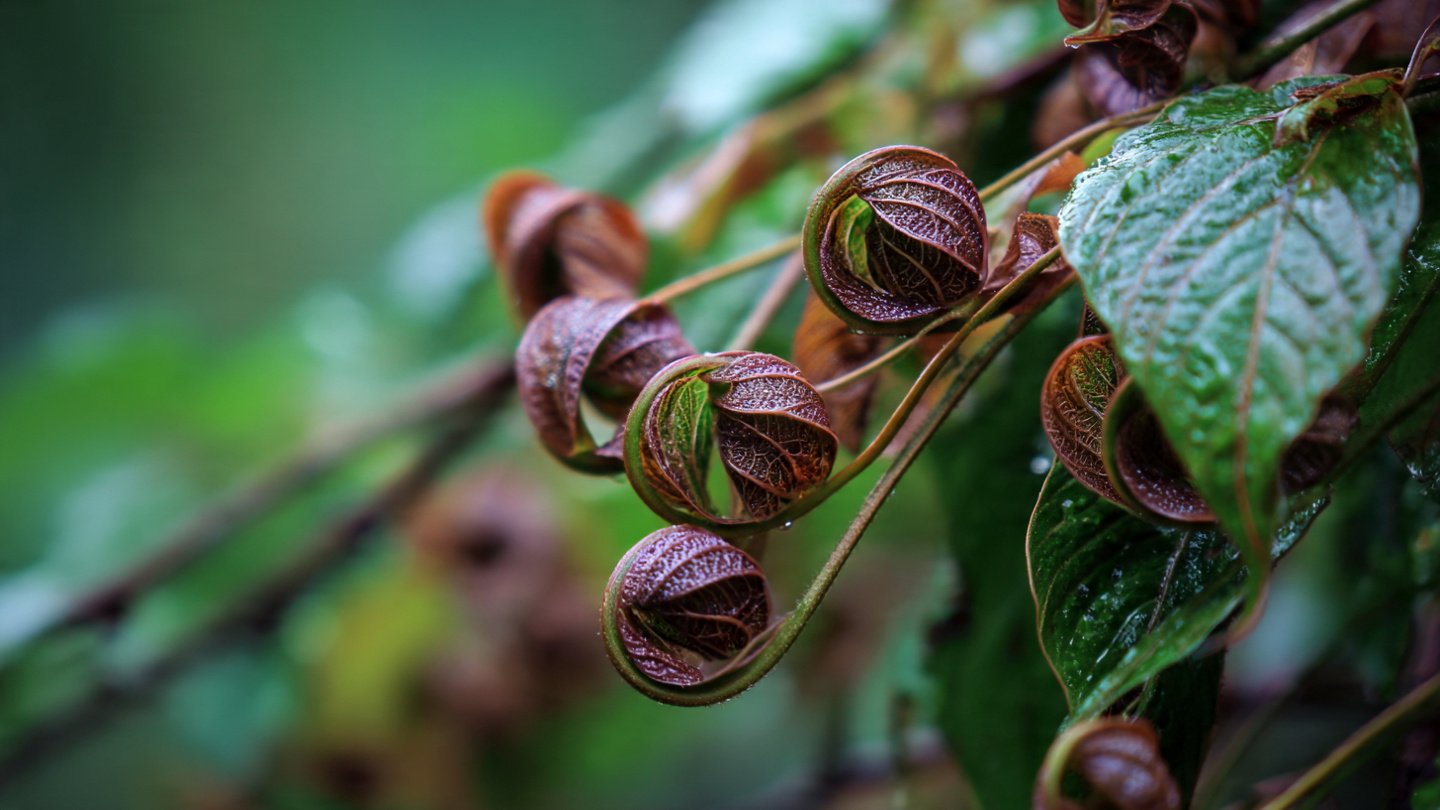
Leaves are vital organs of plants, playing a crucial role in photosynthesis, transpiration, and respiration. When leaves begin to curl inward, it’s often a sign of stress caused by various environmental factors. Understanding the reasons behind leaf curling is essential for plant health management and ensuring they thrive in their conditions. This article explores the major types of environmental stresses that impact plants and how these stresses can lead to leaf curling.
Types of Environmental Stress
Latest Posts
- With Just 1 Bottle of Water How I Was Shocked by What Happened When Growing Vegetables
- Maximize Your Home Garden with the Hanging Pea Sprout Growing Model – Space-Saving, High-Yield, and Easy-to-Manage Vertical Gardening Solution
- Just Water – The Secret to Growing Plump, White Peanut Sprouts Right at Home: A Step-by-Step Guide for Beginners
- Growing Zucchini at Home in a Container: How to Cultivate Large, Long Fruits with a 1-to-72 Day Step-by-Step Diary for Maximum Yield
- Grow Long Beans on the Terrace in Used Recycling Baskets: The Ultimate Guide to Easy, Space-Saving, and High-Yield Terrace Gardening
- How to Grow Tons of Long Beans Easily Without a Garden – A Complete Guide to Growing Healthy Yardlong Beans Without Fertilizers or Pesticides
- Easy Long Bean Growing Trick – No Garden, No Fertilizer, No Pesticide
- Grow Bitter Melon in Bottles — Harvest So Big You Can’t Eat It All! The Ultimate Guide to Bottle Gardening for Maximum Yields
- Growing Garlic Made Easy: No Soil, Fast Results – The Ultimate Guide to Growing Fresh Garlic Indoors Without Traditional Soil
- Wall-Mounted Hydroponic Watermelon System: Grow Large, Juicy, and Delicious Watermelons at Home with Minimal Space and Maximum Yield
Environmental stress can manifest in numerous ways, largely categorized into biotic and abiotic stress.
1. Abiotic Stressors
Abiotic stressors are non-living chemical and physical factors in the environment that can harm plants. These include:
Water Stress
Both overwatering and underwatering can lead to leaf curling. When there is insufficient water, plants may curl their leaves inward as a way to reduce surface area and minimize water loss through transpiration. Conversely, overwatering can lead to root rot, preventing the plant from absorbing nutrients and water and leading to similar symptoms.
Temperature Extremes

Extreme temperatures can cause stress in plants. High temperatures can lead to excessive transpiration, causing the plant to curl its leaves to decrease moisture loss. On the other hand, low temperatures can cause physiological changes that lead to leaf curling and damage the plant’s tissues.
Excessive Light or Shade
Plants require a delicate balance of light for optimal growth. Excessive sunlight can lead to leaf curling, as the plant attempts to protect itself from sunburn, while insufficient light can cause weak growth resulting in leaf curling as the plant strives to find available light.
Soil Quality
Poor soil quality and nutrient deficiencies can also cause leaf curling. Plants require various minerals, such as nitrogen, phosphorus, and potassium. A lack of these essential nutrients can lead to stress, resulting in visible symptoms like curling leaves.
2. Biotic Stressors
Biotic stressors are living agents that affect plant health. These include pests, diseases, and competition from other plants. Common biotic stressors include:
Pests
Insects such as aphids and spider mites can cause leaves to curl by feeding on the plant’s sap, leading to nutrient depletion and physical damage. The plant’s response to pest invasion often results in leaf curling as a defense mechanism.

Diseases
Fungal, bacterial, and viral infections can also result in leaf curl. Diseases often cause a cytokinin or auxin imbalance, leading to distorted growth patterns and curled leaves. The most common examples include Tobacco Mosaic Virus and various fungal leaf spots.
Competition
When plants are in competition for resources like light, water, and nutrients, weaker plants may exhibit curling leaves as they struggle to adapt to suboptimal conditions.
Plant Responses to Stress
Plants have evolved various mechanisms to respond to environmental stresses, often leading to physiological and morphological changes to enhance survival. Recognizing these responses can help gardeners and botanists manage plant health effectively.
Photosynthesis Adjustment
In response to stress, plants may alter their photosynthetic processes. This adjustment might include reducing the rate of photosynthesis to conserve energy and resources, leading to stunted growth and curling leaves.
Transpiration Regulation
The stomata, or openings on the leaf surface, regulate water loss during transpiration. In times of stress, there is often a reduction in stomatal openings, leading to a decrease in water vapor leaving the plant, which can result in leaf curling as the plant tries to preserve its internal moisture.

Hormonal Changes
Plants produce hormones in response to stress. Abscisic acid (ABA) is a key player in the response to drought stress by closing stomata and reducing transpiration. This hormonal change can lead to visible curling of leaves as the plant attempts to protect itself from water loss.
Preventive Measures and Solutions
Preventing environmental stress requires careful management of plant care. Here are some strategies to consider:
Water Management
Understanding the plant’s water requirements is essential. Ensure proper drainage to avoid waterlogging and monitor soil moisture levels to prevent underwatering.
Temperature Control
For indoor plants, consider adjusting their locations based on temperature changes. For outdoor plants, providing shade during excessive heat can mitigate stress levels.
Proper Nutrition

Regular soil testing can help maintain nutrient levels. Applying balanced fertilizers can fortify the plants and discourage curling and other stress-related symptoms.
Pest and Disease Management
Regularly inspecting plants for pests and diseases can aid in early detection. Using appropriate pesticides or organic alternatives may help control infestations, thus reducing leaf curl.
Conclusion
Understanding how environmental stress causes leaves to curl inward is crucial for effective plant care. Leaf curling is often a response to both abiotic and biotic stressors, and recognizing these stimuli can help gardeners manage healthy plants. Through preventative measures, consistent care, and addressing the underlying issues contributing to leaf curl, plant enthusiasts can ensure their greenery thrives, producing healthy foliage for years to come.
FAQs
1. What does it mean when the leaves of my plant curl up?
Curling leaves are often a sign of stress, which could be due to overwatering, underwatering, temperature changes, pests, or nutrient deficiencies.
2. How can I tell if my plant is experiencing water stress?
Signs of water stress include curling leaves, wilting, and dry soil. On the other hand, overwatering can lead to yellowing leaves and root rot.

3. Can I reverse leaf curling?
Yes, by addressing the underlying cause, such as adjusting watering practices, improving soil quality, or treating pests, you may reverse leaf curling and restore plant health.
4. Are some plants more susceptible to leaf curling than others?
Yes, different plant species have varying tolerances to stress. For instance, tropical plants may be more sensitive to temperature changes compared to hardy perennials.
5. What other symptoms should I look for along with curled leaves?
Other symptoms may include yellowing leaves, wilting, abnormal growth patterns, and signs of pests or disease like spots or webbing.