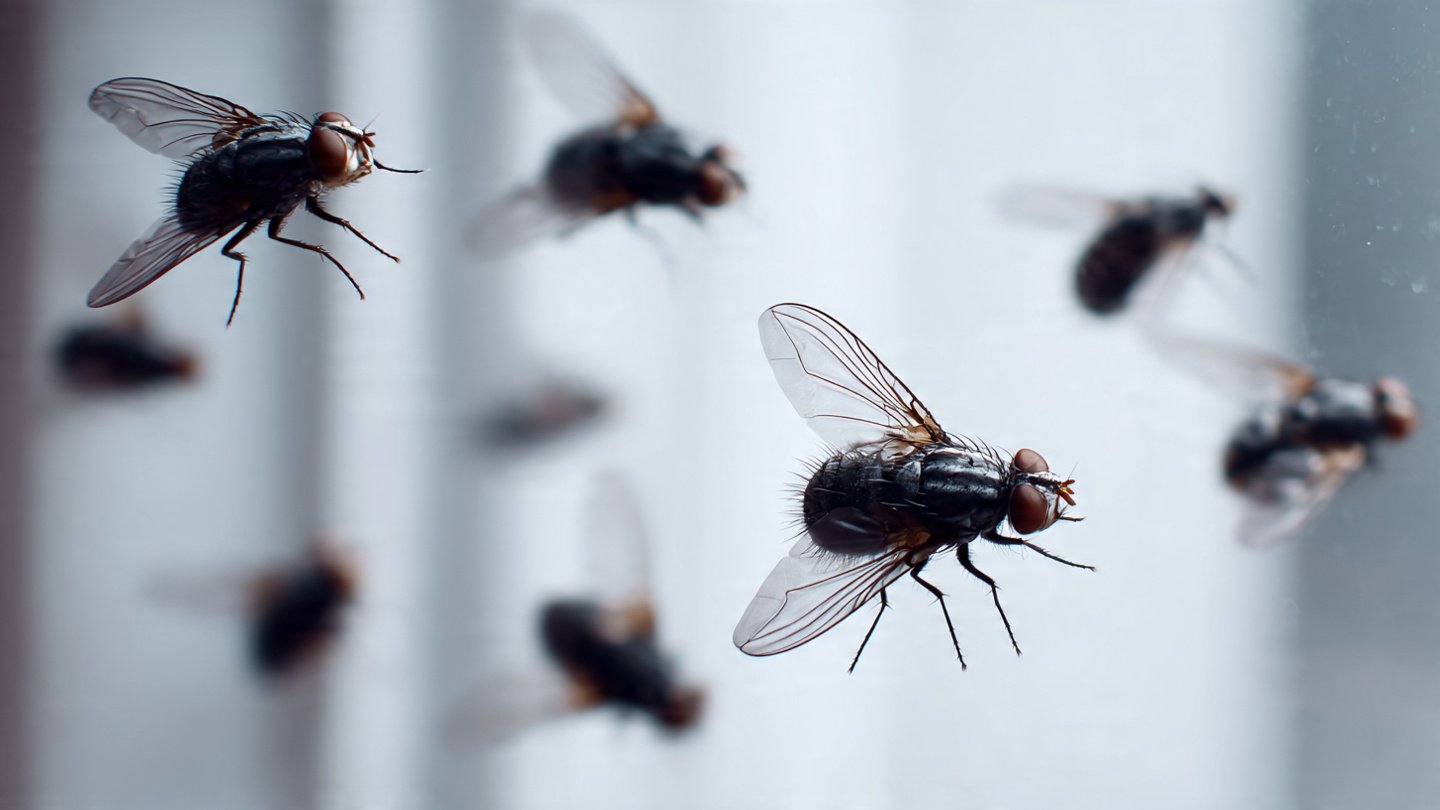
Flies in the kitchen can be a persistent nuisance, causing both discomfort and a sense of uncleanliness in what should be a haven for culinary creativity. The sudden appearance of these pests often raises numerous questions: What kind of flies are these? Where do they come from? How do we eliminate them effectively and prevent their return? This article aims to unravel the mystery of sudden flies in the kitchen, focusing on identification, causes, and effective strategies for management and prevention.
Understanding the Intruders
To devise a successful strategy for dealing with flies in the kitchen, it’s essential to identify the specific species you’re encountering. While various fly species may invade homes, two types are particularly common in kitchens: fruit flies and house flies.
1. Fruit Flies (Drosophila melanogaster)
Fruit flies are small, typically measuring about 1/8 inch in length. They’re often brownish-yellow with red eyes, and they have a distinctively quick and erratic flight pattern. Fruit flies are attracted to ripening or decaying fruits and vegetables, as well as fermented foods and beverages.
2. House Flies (Musca domestica)
House flies are larger than fruit flies, generally around 1/4 inch long and grayish in color. They commonly breed in decaying organic matter such as garbage, manure, and other waste materials. House flies are particularly concerning because they can carry disease-causing pathogens.

Why Are They Suddenly Appearing?
The sudden influx of flies in your kitchen can be attributed to several factors. Let’s explore some of the leading causes:
Latest Posts
- With Just 1 Bottle of Water How I Was Shocked by What Happened When Growing Vegetables
- Maximize Your Home Garden with the Hanging Pea Sprout Growing Model – Space-Saving, High-Yield, and Easy-to-Manage Vertical Gardening Solution
- Just Water – The Secret to Growing Plump, White Peanut Sprouts Right at Home: A Step-by-Step Guide for Beginners
- Growing Zucchini at Home in a Container: How to Cultivate Large, Long Fruits with a 1-to-72 Day Step-by-Step Diary for Maximum Yield
- Grow Long Beans on the Terrace in Used Recycling Baskets: The Ultimate Guide to Easy, Space-Saving, and High-Yield Terrace Gardening
- How to Grow Tons of Long Beans Easily Without a Garden – A Complete Guide to Growing Healthy Yardlong Beans Without Fertilizers or Pesticides
- Easy Long Bean Growing Trick – No Garden, No Fertilizer, No Pesticide
- Grow Bitter Melon in Bottles — Harvest So Big You Can’t Eat It All! The Ultimate Guide to Bottle Gardening for Maximum Yields
- Growing Garlic Made Easy: No Soil, Fast Results – The Ultimate Guide to Growing Fresh Garlic Indoors Without Traditional Soil
- Wall-Mounted Hydroponic Watermelon System: Grow Large, Juicy, and Delicious Watermelons at Home with Minimal Space and Maximum Yield
1. Seasonal Changes
As the seasons shift, especially from winter to spring, flies begin to emerge from their dormant states. Warmer temperatures signal the start of breeding for these pests. If you’re noticing more flies during this time, it may simply be the result of seasonal behavior.
2. Attractants and Food Sources
The most common reason for flies showing up in your kitchen is the presence of food sources. Any unattended food waste, spills, and unsealed produce can quickly attract these pests. Here are some typical culprits:
- Fruits and Vegetables: Overripe or spoiled items can serve as breeding grounds for fruit flies.
- Garbage: Unsealed trash bins can attract house flies and other pests.
- Pet Food: Leftover pet food can also be a major attractant.
3. Open Windows and Doors
Airflow can be both a blessing and a curse. Open windows and doors that lack screens can allow flies easy access to your home, especially in the warmer months.

4. Poor Sanitation Practices
Flies thrive in areas where cleanliness is compromised. Neglecting regular cleaning and failing to promptly address spills or food droppings can create a welcoming environment for these pests.
Identifying the Source of the Problem
1. Inspect Your Kitchen
Conduct a thorough inspection of your kitchen to identify potential food sources. Look for:
- Ripe or rotting fruits and vegetables.
- Leftovers in the refrigerator that may be past their prime.
- Spills, crumbs, or sticky residues on counters and floors.
2. Check Trash and Recycling Bins
Ensure your garbage and recycling bins are sealed tightly. Food residues often linger in these receptacles, becoming ripe breeding grounds for flies.
3. Examine Pet Areas
If you have pets, inspect areas where food and water bowls are kept. Leftover food can attract flies in a matter of hours.

Strategies for Elimination
1. Clean, Clean, Clean
The number one strategy for eliminating flies is to enhance your cleaning practices. Here are some tips:
- Daily Cleaning: Make it a habit to clean your kitchen surfaces daily. Wipe down counters, tables, and other surfaces to remove crumbs and spills.
- Regular Trash Disposal: Empty your garbage regularly, ideally daily if possible.
- Seal Food Items: Store fruits, vegetables, and other perishables in sealed containers to minimize attractants.
2. Use Traps
Traps can be an effective way to catch flies. Here are several options:
- DIY Fruit Fly Traps: Create a simple trap using a bowl of apple cider vinegar covered with plastic wrap. Poke small holes in the wrap, allowing flies to enter but not exit.
- Commercial Traps: There are various traps available in stores designed specifically for fruit flies and house flies.
3. Natural Repellents
Certain natural substances can help repel flies effectively. Some options include:
- Herbs: Basil, mint, and lavender are known to deter flies. Consider planting these herbs in your kitchen or using essential oils.
- Vinegar and Water Spray: A solution of vinegar and water can serve as a natural insect repellent. Spray it around areas where flies tend to congregate.
Preventative Measures
Once you’ve eliminated the current fly population, it’s crucial to implement preventative measures to keep them at bay.

1. Close Off Entry Points
- Install Screens: Investing in window and door screens can be a practical solution to keep flies out while allowing fresh air in.
- Seal Cracks: Inspect your home for gaps and cracks around windows, doors, and walls, sealing them as needed.
2. Manage Food Waste
- Compost Wisely: If you compost, ensure you do it correctly. Keep compost bins airtight and place them away from your kitchen.
- Securely Store Pet Food: Consider storing pet food in airtight containers to prevent attracting flies.
3. Regular Maintenance Checks
Conduct regular checks around your kitchen to ensure cleanliness and determine if any new sources of attraction have emerged. This consistency will go a long way in preventing future infestations.
Conclusion
While the sudden appearance of flies in your kitchen can be unsettling, understanding their habits and taking proactive measures can significantly mitigate the risk of a fly infestation. By employing a combination of cleaning, trapping, and prevention strategies, you can reclaim your kitchen space and ensure a clean and safe environment for cooking and family gatherings. If you find that your efforts to control the fly population are ineffective, consider calling in a pest control professional who can provide targeted treatments tailored to your unique situation. With diligence and awareness, you can keep those kitchen invaders at bay for good!