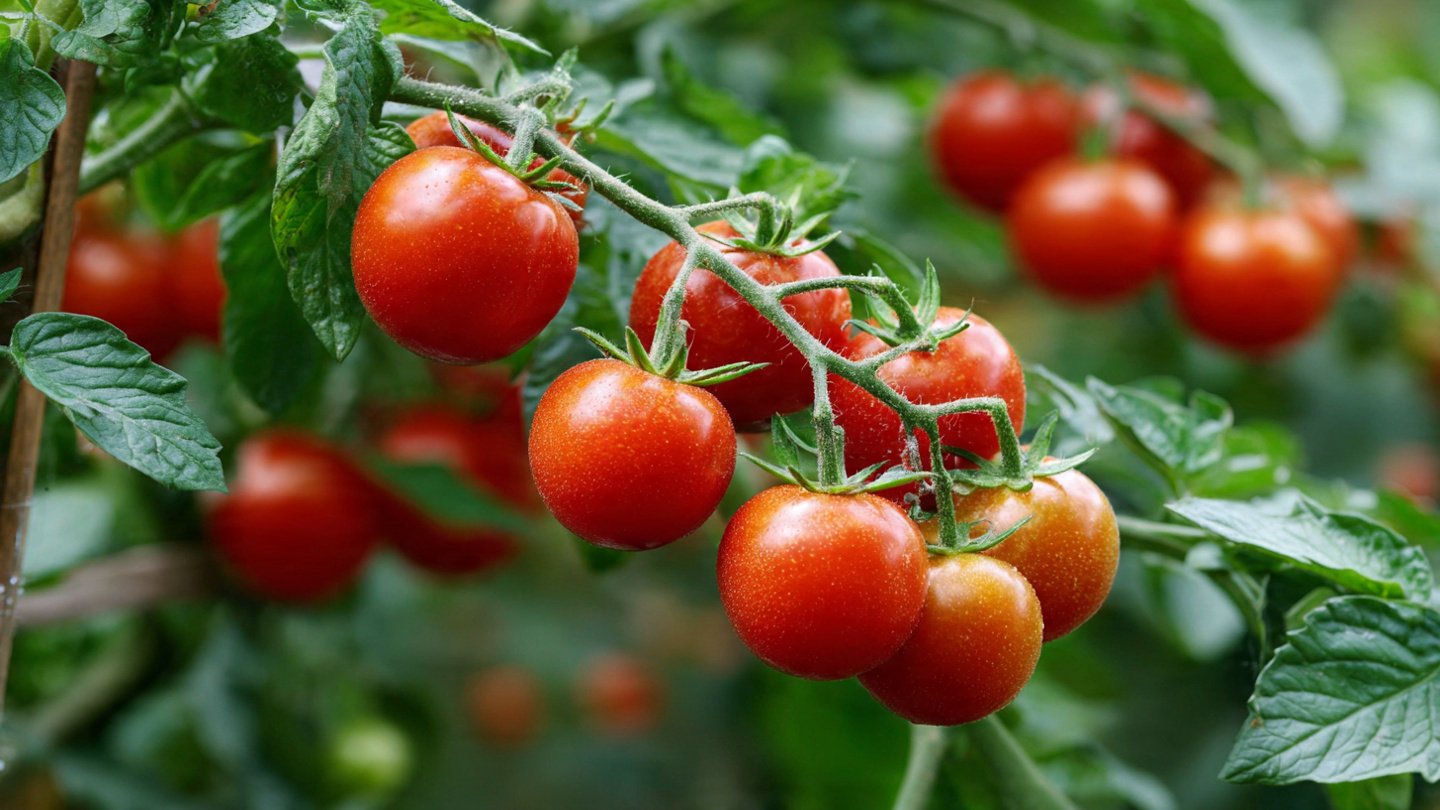
Growing juicy tomatoes at home is a rewarding experience that not only provides delicious produce for your meals but also enhances the aesthetic appeal of your garden. Tomatoes are not only versatile and delicious but are also relatively easy to cultivate for both seasoned gardeners and beginners alike. In this ultimate guide, we will explore simple techniques and tips to ensure you achieve a bountiful harvest of juicy, flavorful tomatoes.
1. Choosing Tomato Varieties
Types of Tomatoes
Tomatoes come in various types and flavors, making it essential to select the right variety for your taste and growing conditions. Here are some common varieties:
- Cherry Tomatoes: Small, sweet, and perfect for snacking or salads.
- Roma Tomatoes: Meaty with fewer seeds, ideal for sauces and canning.
- Beefsteak Tomatoes: Large and juicy, great for sandwiches.
- Slicing Tomatoes: Perfect for fresh salads and burgers.
Climate Considerations
Different tomato varieties thrive under different climatic conditions. If you live in a cooler area, consider shorter-season, cold-resistant varieties. Conversely, warmer climates can support larger, heat-tolerant tomato plants.
2. Preparing Your Soil
Soil Composition
Tomatoes thrive in well-draining, fertile soil with a pH level between 6.0 and 6.8. A combination of loamy soil, compost, and organic matter can enhance fertility. Adding amendments like compost, aged manure, or peat moss can improve soil structure and moisture retention.

Soil Testing
To optimize growing conditions, conduct a soil test to determine nutrient levels and pH. Many local extension offices or gardening stores offer soil testing kits.
Latest Posts
- With Just 1 Bottle of Water How I Was Shocked by What Happened When Growing Vegetables
- Maximize Your Home Garden with the Hanging Pea Sprout Growing Model – Space-Saving, High-Yield, and Easy-to-Manage Vertical Gardening Solution
- Just Water – The Secret to Growing Plump, White Peanut Sprouts Right at Home: A Step-by-Step Guide for Beginners
- Growing Zucchini at Home in a Container: How to Cultivate Large, Long Fruits with a 1-to-72 Day Step-by-Step Diary for Maximum Yield
- Grow Long Beans on the Terrace in Used Recycling Baskets: The Ultimate Guide to Easy, Space-Saving, and High-Yield Terrace Gardening
- How to Grow Tons of Long Beans Easily Without a Garden – A Complete Guide to Growing Healthy Yardlong Beans Without Fertilizers or Pesticides
- Easy Long Bean Growing Trick – No Garden, No Fertilizer, No Pesticide
- Grow Bitter Melon in Bottles — Harvest So Big You Can’t Eat It All! The Ultimate Guide to Bottle Gardening for Maximum Yields
- Growing Garlic Made Easy: No Soil, Fast Results – The Ultimate Guide to Growing Fresh Garlic Indoors Without Traditional Soil
- Wall-Mounted Hydroponic Watermelon System: Grow Large, Juicy, and Delicious Watermelons at Home with Minimal Space and Maximum Yield
Soil Preparation Steps
- Clear the Area: Remove any weeds, debris, or previous plants that may harbor pests.
- Till the Soil: Loosen the soil to improve aeration and prepare it for planting.
- Amend the Soil: Mix in compost or organic matter to enhance nutrient levels.
3. Planting Tomatoes
Timing
Tomatoes are sensitive to frost and should be planted after the danger of frost has passed. The optimal soil temperature for planting tomatoes is around 70°F (21°C).
Planting Method
- Transplants: Start seeds indoors 6-8 weeks before the last frost date, then transplant outdoors when seedlings are about 6-8 inches tall.
- Direct Seeding: If you prefer, you can sow seeds directly in the garden once the soil has warmed.
Spacing
Proper spacing is essential for air circulation and preventing disease. A general guideline is to space determinate varieties 18-24 inches apart, while indeterminate varieties should be spaced 24-36 inches apart.
4. Watering Techniques
Consistency is Key
Tomatoes need consistent moisture to thrive. Irregular watering can lead to blossom end rot and split tomatoes. Aim to provide about 1-1.5 inches of water per week.

Best Practices for Watering
- Water at the Base: Use soaker hoses or drip irrigation systems to apply water directly at the root zone.
- Water Early: Water in the morning to reduce evaporation and allow plants to absorb moisture before the heat of the day.
5. Fertilization
Nutrient Needs
Tomatoes are heavy feeders and require adequate nutrients throughout their growing cycle. A balanced fertilizer with an N-P-K ratio of 5-10-10 or a tomato-specific fertilizer is ideal.
Application Frequency
- Early Growth: Apply a starter fertilizer when transplanting.
- During Growth: Fertilize every 4-6 weeks during the growing season.
Signs of Nutrient Deficiencies
- Yellow Leaves: Nitrogen deficiency.
- Blossom End Rot: Calcium deficiency.
- Poor Growth: Phosphorus deficiency.
6. Pest and Disease Management
Common Pests
- Aphids: Small insects that suck sap from tomato plants.
- Whiteflies: These pests can transmit diseases and weaken plants.
- Tomato Hornworm: A large caterpillar that eats foliage.
Prevention and Control
- Companion Planting: Marigolds and basil can deter pests.
- Neem Oil: An organic solution for pest control.
- Manual Removal: Hand-picking pests can be effective for large infestations.
Common Diseases
- Blight: Fungal infection leading to dark spots on leaves.
- Powdery Mildew: A fungal disease that appears as white powder on leaves.
Control Strategies
- Avoid Overhead Watering: Water at the base to minimize leaf wetness.
- Crop Rotation: Change planting locations each year to prevent disease buildup.
7. Supporting Your Tomato Plants
Staking and Caging
Proper support is crucial, especially for indeterminate varieties, which keep growing and require additional support.
- Stakes: Use wooden stakes or metal rods, tying the plant loosely with twine or soft ties.
- Cages: Tomato cages allow plants to grow upright and provide excellent support. They are particularly useful for bush varieties.
Pruning Techniques
Regular pruning can enhance airflow, reduce disease risk, and enhance fruit production.
- Remove Suckers: Pinch off the suckers that form in the leaf axils to promote better fruiting.
- Trim Lower Leaves: Remove the lower leaves to improve airflow and minimize disease risk.
8. Harvesting Tomatoes
When to Harvest
Timing is key for maximum flavor. Harvest tomatoes when they are fully colored, firm, and slightly soft to the touch.

Harvesting Techniques
- Twist and Pull: Gently twist the fruit off the vine, avoiding damage to the plant.
- Clipboard for Sorting: Have a clipboard nearby to place picked tomatoes, avoiding crowding and bruising.
9. Storing and Preserving
Short-Term Storage
- Countertop: Store ripe tomatoes stem up at room temperature and consume within a week for optimal flavor.
- Refrigeration: Unripe tomatoes can be refrigerated to slow ripening. However, avoid refrigerating fully ripe tomatoes, as it affects flavor.
Long-Term Preservation
- Canning: A popular method, especially for Roma tomatoes. Use a pressure canner for safety.
- Freezing: Blanch and freeze tomatoes for later use in sauces and soups.
- Drying: Sun-dried or oven-dried tomatoes make excellent snacks and flavor enhancers.
FAQs
Q1: How long do tomatoes take to grow?
A1: Typically, tomatoes take 60 to 100 days to mature, depending on the variety and growing conditions.
Q2: Can I grow tomatoes in pots?
A2: Yes, tomatoes can be successfully grown in pots. Ensure the pot is at least 5 gallons for optimal growth. Use a high-quality potting mix and ensure good drainage.
Q3: What are the best companions for tomato plants?
A3: Basil, marigolds, and garlic are excellent companion plants, as they can repel pests and enhance growth.
Q4: Should I prune my tomato plants?
A4: Yes, pruning can help improve air circulation and encourage fruit production. Focus on removing suckers and any yellowing leaves.

Q5: How do I prevent blossom end rot?
A5: Ensure consistent watering and provide adequate calcium in the soil. Mulching can also help retain moisture around the roots.
Q6: Can I save seeds from my tomatoes for next year?
A6: Yes, you can save seeds from heirloom or open-pollinated varieties. Allow the fruit to fully ripen before extracting seeds and follow proper drying and storage techniques.
By following these simple tips and techniques, you can enjoy a fruitful tomato harvest that enhances your culinary creations and brings the freshest flavors to your table. Happy gardening!