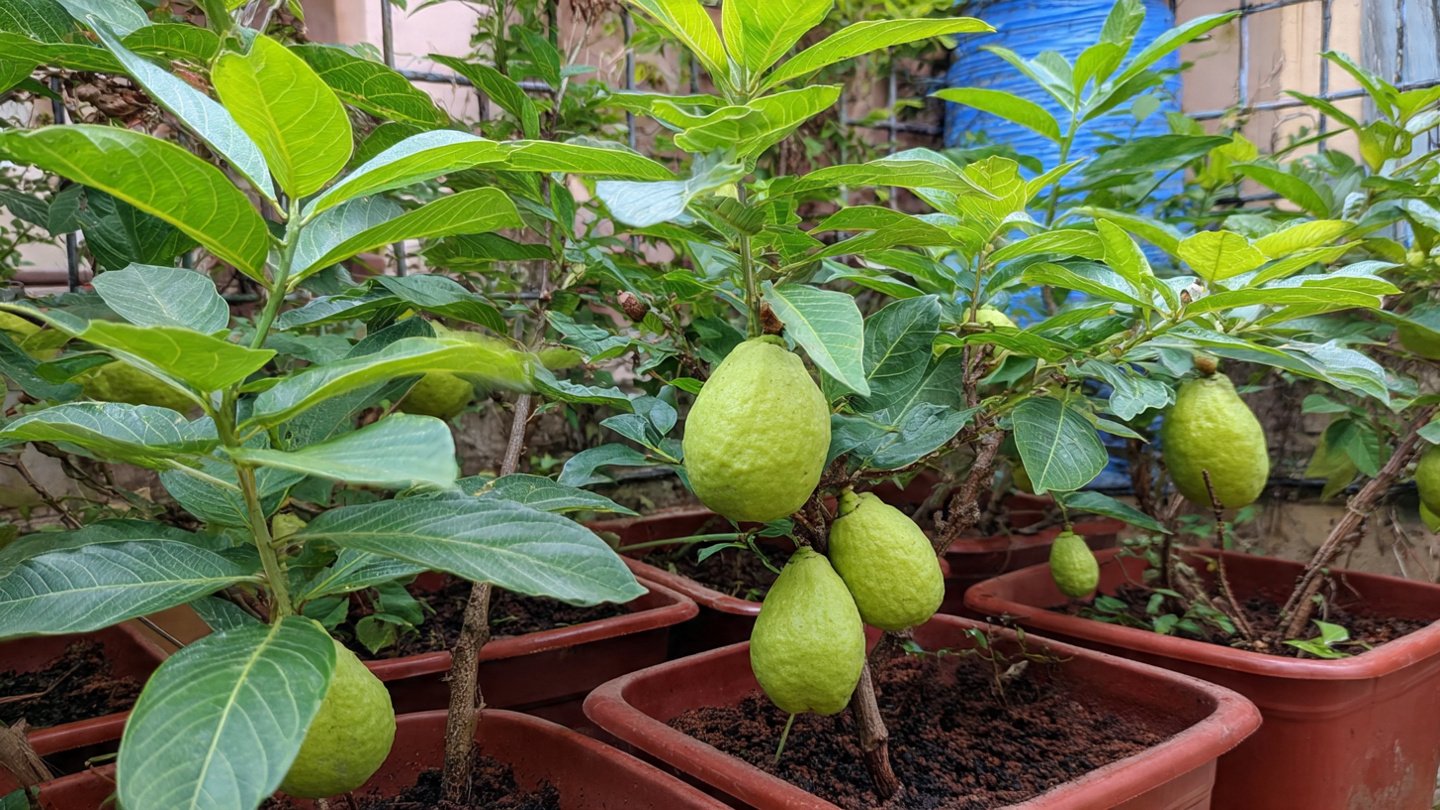
Guava (Psidium guajava) is not only a tropical delight known for its sweet, aromatic fruit, but it also makes for an attractive container plant. Whether you have a spacious backyard or a cozy balcony, growing guava in containers can be a rewarding venture. This comprehensive guide will walk you through everything you need to know about cultivating guava plants in containers, including ideal growing conditions, pot selection, care tips, and practical troubleshooting.
1. Understanding Guava Plants
1.1 Types of Guava
Latest Posts
- With Just 1 Bottle of Water How I Was Shocked by What Happened When Growing Vegetables
- Maximize Your Home Garden with the Hanging Pea Sprout Growing Model – Space-Saving, High-Yield, and Easy-to-Manage Vertical Gardening Solution
- Just Water – The Secret to Growing Plump, White Peanut Sprouts Right at Home: A Step-by-Step Guide for Beginners
- Growing Zucchini at Home in a Container: How to Cultivate Large, Long Fruits with a 1-to-72 Day Step-by-Step Diary for Maximum Yield
- Grow Long Beans on the Terrace in Used Recycling Baskets: The Ultimate Guide to Easy, Space-Saving, and High-Yield Terrace Gardening
- How to Grow Tons of Long Beans Easily Without a Garden – A Complete Guide to Growing Healthy Yardlong Beans Without Fertilizers or Pesticides
- Easy Long Bean Growing Trick – No Garden, No Fertilizer, No Pesticide
- Grow Bitter Melon in Bottles — Harvest So Big You Can’t Eat It All! The Ultimate Guide to Bottle Gardening for Maximum Yields
- Growing Garlic Made Easy: No Soil, Fast Results – The Ultimate Guide to Growing Fresh Garlic Indoors Without Traditional Soil
- Wall-Mounted Hydroponic Watermelon System: Grow Large, Juicy, and Delicious Watermelons at Home with Minimal Space and Maximum Yield
While several varieties of guava exist, the most popular ones for gardening include:
- Common Guava (Psidium guajava): This has sweet, yellow or green skin with a tropical flavor.
- Strawberry Guava (Psidium cattleianum): Smaller in size, it has a richer flavor, with red or yellow skin.
- Pineapple Guava (Feijoa sellowiana): Slightly different but often grouped with guavas, it has a unique taste resembling pineapple.
1.2 Growing Zones
Guavas thrive in USDA hardiness zones 9-11, which includes regions with warm climates. However, even if you’re in a cooler region, you can successfully grow guavas in containers and move them indoors or to a sheltered location during colder months.
2. Selecting the Right Container
2.1 Container Size
Choose a container that is at least 5 gallons (19 liters) for younger plants. As the guava matures, a larger container (10-15 gallons or 38-57 liters) is ideal, as it allows for deeper roots, which improves nutrient absorption.

2.2 Material
Containers made of materials like ceramic, plastic, or fabric are suitable. Ensure that the container has adequate drainage holes to prevent waterlogging.
2.3 Drainage
Always add a layer of gravel or stones at the bottom of the pot to enhance drainage. This prevents root rot, which can occur due to excess moisture.
3. Soil and Fertilizer Requirements
3.1 Soil Type
Guava trees prefer well-draining soil rich in organic matter. A good potting mix should consist of:
- 40% potting soil
- 30% compost
- 30% perlite or sand for aeration
3.2 Fertilization
Fertilizing is essential for healthy growth. Use a balanced fertilizer (like a 10-10-10 NPK) every 4-6 weeks during the growing season (spring and summer). As an alternative, you can use a slow-release fertilizer according to package instructions.
4. Watering

4.1 Watering Schedule
Guavas need consistent moisture but not soggy soil. Water thoroughly when the top inch of soil feels dry. Your frequency will vary depending on factors like temperature, humidity, and pot size.
4.2 Signs of Overwatering and Underwatering
- Overwatering: Wilting, yellowing leaves, or root rot.
- Underwatering: Dry, crispy leaves and shriveled fruits.
5. Light Requirements
5.1 Sunlight
Guava plants love sunlight and should be placed where they can receive full sun for at least 6-8 hours daily. If you’re growing them indoors, consider using grow lights to ensure adequate light exposure.
6. Pruning and Training
6.1 Pruning Techniques
Regular pruning encourages bushy growth and produces better fruit yields.
- When to Prune: Early spring before new growth begins.
- How to Prune: Remove dead or crossing branches and shape the tree for better light penetration.

6.2 Training
Training techniques, such as the central leader method, can help manage the size and shape of your guava plant, especially in limited spaces.
7. Pest and Disease Management
7.1 Common Pests
- Aphids: They suck sap, leading to distorted growth. Control them with neem oil or insecticidal soap.
- Mealybugs: These pests appear as white cottony spots. Wipe them off with a cloth soaked in alcohol.
- Spider Mites: These tiny pests thrive in dry conditions. Increase humidity or use a soap solution.
7.2 Diseases
- Root Rot: Caused by overwatering and poor drainage. Ensure proper watering practices.
- Powdery Mildew: This fungal infection appears as white spots on leaves. Treatment involves removing affected leaves and improving airflow.
8. Harvesting Guava Fruits
8.1 When to Harvest
Guavas usually mature 3 to 4 months after flowering. The fruits change color, becoming slightly softer when ripe. Depending on the variety, colors can range from green to yellow and even pink.
8.2 How to Harvest

Use sharp pruning shears to carefully cut the fruit from the branch. Harvesting during the day under dry conditions can help maintain their quality.
9. Overwintering Guava Plants
If you live in a cooler climate, make sure to bring your guava plant indoors before the first frost. Place it in a well-lit room and reduce watering. The plant may drop some leaves, which is normal during dormancy.
10. Additional Tips for Success
- Mulching: Apply a layer of organic mulch on top of the soil to help retain moisture and suppress weeds.
- Companion Planting: Plant flowering herbs like basil or marigold nearby to attract beneficial insects.
- Monitoring Conditions: Regularly check humidity and temperature, especially for indoor plants.
FAQs
1. How often should I water my guava plant in a container?
Water your guava plant whenever the top inch of the soil feels dry. In hot weather, this could mean watering every 2-3 days, while in cooler weather, it may stretch to once a week.
2. Can I grow guavas indoors?
Yes, guavas can be grown indoors as long as they receive plenty of sunlight (6-8 hours daily). Use grow lights if natural sunlight is insufficient.
3. What is the ideal temperature range for guava growth?

Guavas thrive in temperatures between 70°F to 85°F (21°C to 29°C). They can tolerate short periods of cooler temperatures but are susceptible to frost.
4. When will my guava plant start to bear fruit?
Typically, guava plants will start producing fruit within 1 to 2 years after planting, depending on the care and growing conditions.
5. Do I need to pollinate guava flowers for fruit production?
Guava flowers are mostly self-pollinating; however, attracting pollinators like bees can help increase fruit yield.
6. What should I do if my guava plant is not producing fruit?
Check for environmental stresses such as improper watering, insufficient light, or nutrient deficiencies. Pruning may also improve fruit production by increasing airflow.
7. How can I prevent pests on my guava plant?
Regularly inspect your plant for signs of pests and remove any affected leaves. Introducing beneficial insects or using organic pesticides can help manage pest populations.
Conclusion
Growing guava plants in containers offers home gardeners an exciting way to enjoy tropical fruits, regardless of their growing zone. With the right care, a sunny spot, and some patience, your container-grown guava can become a fruitful addition to your home garden. Embrace the journey of growing your guava, and relish the delicious rewards that come with it!