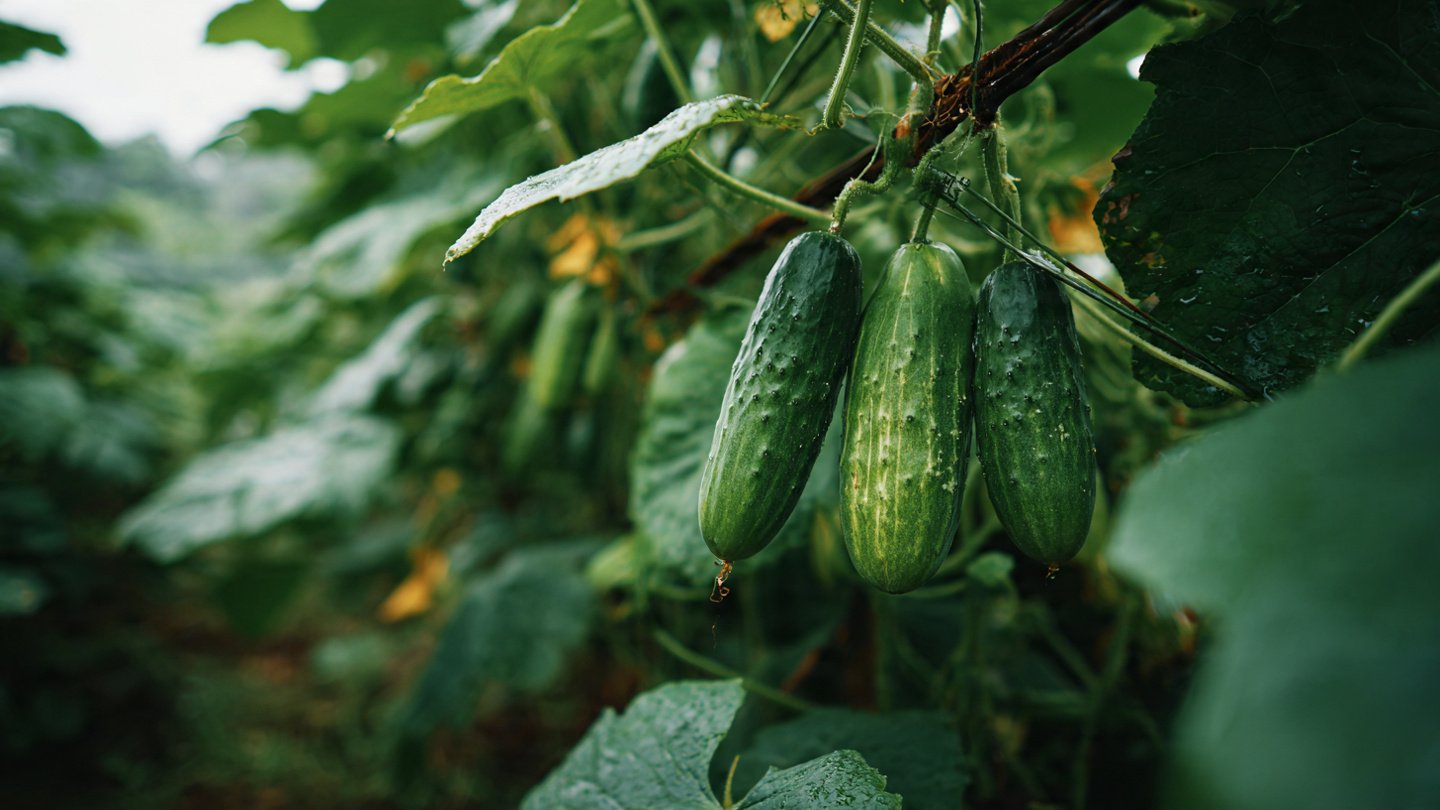
Cucumbers are a staple in many gardens, cherished for their refreshing taste and myriad culinary uses. For beginners, growing cucumbers can be an incredibly rewarding endeavor, which not only adds delicious vegetables to your meals but also enhances your gardening skills. This guide will walk you through everything you need to know about growing cucumbers, from selecting the right varieties to harvesting and storing them.
Table of Contents
- With Just 1 Bottle of Water How I Was Shocked by What Happened When Growing Vegetables
- Maximize Your Home Garden with the Hanging Pea Sprout Growing Model – Space-Saving, High-Yield, and Easy-to-Manage Vertical Gardening Solution
- Just Water – The Secret to Growing Plump, White Peanut Sprouts Right at Home: A Step-by-Step Guide for Beginners
- Growing Zucchini at Home in a Container: How to Cultivate Large, Long Fruits with a 1-to-72 Day Step-by-Step Diary for Maximum Yield
- Grow Long Beans on the Terrace in Used Recycling Baskets: The Ultimate Guide to Easy, Space-Saving, and High-Yield Terrace Gardening
- How to Grow Tons of Long Beans Easily Without a Garden – A Complete Guide to Growing Healthy Yardlong Beans Without Fertilizers or Pesticides
- Easy Long Bean Growing Trick – No Garden, No Fertilizer, No Pesticide
- Grow Bitter Melon in Bottles — Harvest So Big You Can’t Eat It All! The Ultimate Guide to Bottle Gardening for Maximum Yields
- Growing Garlic Made Easy: No Soil, Fast Results – The Ultimate Guide to Growing Fresh Garlic Indoors Without Traditional Soil
- Wall-Mounted Hydroponic Watermelon System: Grow Large, Juicy, and Delicious Watermelons at Home with Minimal Space and Maximum Yield
- Overview of Cucumbers
- Selecting the Right Variety
- Preparing the Soil
- Planting Cucumbers
- Watering Techniques
- Nutritional Needs
- Pest and Disease Management
- Harvesting Cucumbers
- Storing Cucumbers
- FAQs
Latest Posts
1. Overview of Cucumbers
Cucumbers (Cucumis sativus) belong to the gourd family, Cucurbitaceae, which includes squash and melons. They are fast-growing, typically taking about 50 to 70 days from seed to harvest, making them an excellent choice for beginner gardeners. Cucumbers not only provide a refreshing flavor to salads and dishes but are also low in calories, making them a healthy snack option.
2. Selecting the Right Variety

When it comes to cucumbers, there are primarily two types: slicing and pickling cucumbers.
-
Slicing Cucumbers: These are typically longer and thinner, ideal for salads and sandwiches. Popular varieties include ‘Marketmore 76’ and ‘Burpless’.
-
Pickling Cucumbers: Smaller and bumpier, these varieties are perfect for fermenting. Examples include ‘Boston Pickling’ and ‘Persian’.
Tip: Choose varieties that are suited to your climate and space. For instance, if you’re limited on space, consider growing bush varieties.
3. Preparing the Soil
Healthy soil is crucial for growing vibrant cucumbers:
-
Soil Type: Cucumbers prefer well-drained, loamy soil rich in organic matter. Aim for a pH of 6.0 to 6.8.
-
Soil Preparation: Before planting, amend the soil with compost or well-rotted manure to enhance nutrient content. Turn the soil up to a depth of at least 12 inches to encourage deep root growth.
Note: Conduct a soil test or use a pH meter to ensure your soil is in the optimal range.

4. Planting Cucumbers
Cucumbers can be planted directly in the garden or started indoors:
-
Direct Sowing: Plant seeds outdoors once the soil temperature reaches about 70°F (21°C) and the last frost has passed. Plant seeds 1 inch deep, spaced approximately 12 to 18 inches apart in rows that are 36 inches apart.
-
Indoor Start: For a head start, sow seeds in biodegradable pots 2–3 weeks before the last frost date. Transplant them outdoors after hardening off.
Tip: Consider using trellises if you’re short on space. This vertical planting not only saves space but also improves air circulation and sunlight access for the plants.
5. Watering Techniques
Cucumbers require a consistent watering schedule:
-
Watering Frequency: Aim for 1–2 inches of water per week, either through rainfall or supplemental watering. It’s best to water deeply and less frequently, encouraging deep root development.
-
Time of Watering: Water in the morning to minimize evaporation and reduce the risk of fungal diseases.
Tip: Using mulch around your plants can help retain soil moisture, suppress weeds, and maintain a consistent soil temperature.

6. Nutritional Needs
To keep cucumbers healthy, you’ll need to provide adequate nutrients:
-
Fertilization: Begin with a balanced fertilizer when planting. After the first fruits appear, switch to a fertilizer higher in potassium and phosphorus to support fruit development.
-
Signs of Nutrient Deficiency: Yellowing leaves can be a sign of nitrogen deficiency, while blossom drop may indicate insufficient potassium.
Tip: Always follow the recommended application rates on fertilizer packages to prevent over-fertilization.
7. Pest and Disease Management
Cucumbers are susceptible to certain pests and diseases. Here’s how to manage them:
Common Pests
- Aphids: These small insects suck sap from the plants. Control with insecticidal soap.
- Cucumber Beetles: These can transmit diseases. Hand-picking or using traps can help manage them.
Common Diseases

- Powdery Mildew: This fungal disease appears as white powder on leaves. Improve air circulation and use fungicides if necessary.
- Cucumber Mosaic Virus: Caused by aphids, it leads to mottled leaves and stunted growth. Remove and destroy infected plants.
Tip: Rotate your crops each year to reduce the risk of disease.
8. Harvesting Cucumbers
Timing is key when it comes to harvesting:
-
When to Harvest: Cucumbers can be harvested when they reach about 6–8 inches long, depending on the variety. Regular harvesting encourages continued production.
-
How to Harvest: Use sharp garden shears or scissors to avoid damaging the plant. Cut the stem close to the fruit to minimize stress on the vines.
Tip: Harvest cucumbers in the morning when they are crisp and firm.
9. Storing Cucumbers
Proper storage can prolong the freshness of your cucumbers:
-
Short-term Storage: Store cucumbers in the refrigerator crisper drawer, wrapped in a damp paper towel, for up to one week.
-
Long-term Storage: For long-lasting storage, consider pickling. Cucumbers can be preserved in jars with vinegar, salt, and spices for shelf-stable storage.

FAQs
1. How much sunlight do cucumbers need?
Cucumbers thrive in full sunlight, requiring at least 6-8 hours of direct sun each day.
2. Can I grow cucumbers in containers?
Absolutely! Choose a container that is at least 5 gallons in size and has good drainage. Use a trellis to save space.
3. Why are my cucumber leaves turning yellow?
Yellowing leaves may be a sign of nutrient deficiency, overwatering, or disease. Check your watering schedule and consider fertilizing.
4. How do I know when to stop watering my cucumbers?
If the soil feels dry to the touch about an inch below the surface, it’s likely time to water again. Overly soggy soil can lead to root rot.
5. Can I save seeds from my cucumbers?
Yes, you can save seeds, but ensure you choose heirloom varieties for true-to-type results. Ferment the seeds to remove the gel coating before storing.
Conclusion
Growing cucumbers can be a delightful experience for beginners and seasoned gardeners alike. With the right preparation, care, and knowledge, you can cultivate healthy cucumber plants that yield a bountiful harvest. Whether you opt for slicing or pickling varieties, cucumbers can enhance your meals and provide a sense of accomplishment in your gardening journey. Happy gardening!