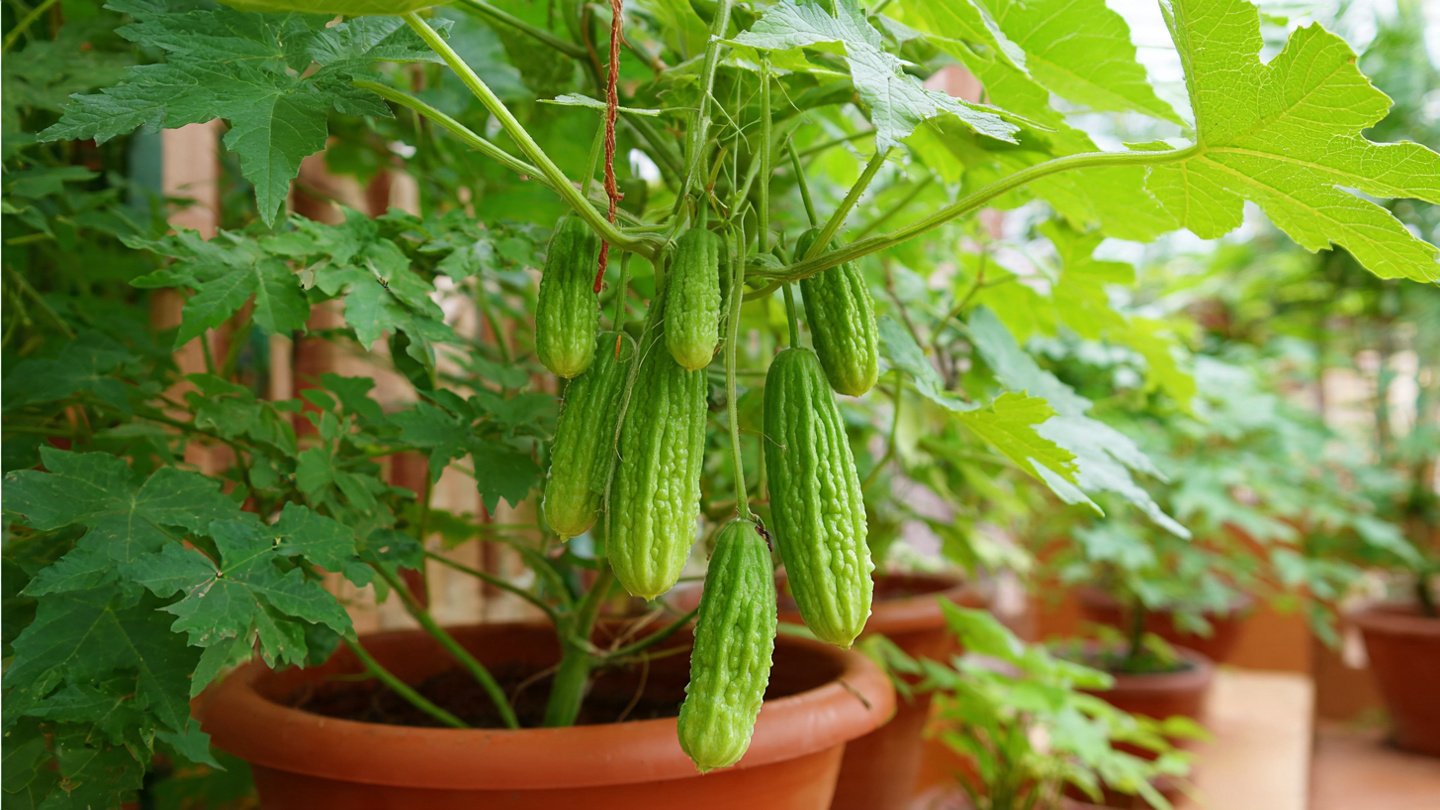
Growing bitter gourd (Momordica charantia), also known as bitter melon, in containers can be a rewarding endeavor for both experienced gardeners and beginners. This unique vegetable is not only celebrated for its distinctive, bitter flavor but also for its numerous health benefits. Here’s the ultimate guide to successfully cultivating bitter gourd in a container, complete with essential tips and a helpful FAQ section.
Understanding Bitter Gourd
Bitter gourd is a tropical and subtropical vine, known for its bumpy, green exterior and unique taste. It is rich in vitamins C and A, iron, and a variety of beneficial compounds, making it an excellent addition to any garden. Traditionally used in Asian and African cuisines, it also boasts various medicinal benefits, including blood sugar regulation.
Selecting the Right Container
- Container Size: Choose a container that is at least 12 to 18 inches deep and wide. Bitter gourd plants can grow quite large and require sufficient room for their root systems.
- Material: Opt for materials that retain moisture but allow for proper drainage. Terracotta, plastic, and wooden containers are great options. Ensure there are drainage holes to prevent waterlogging.
- Weight: Consider the weight of the container, especially if you plan to move it frequently. Lightweight options are preferable for easy mobility.
Choosing the Perfect Soil
Bitter gourd thrives in well-draining, nutrient-rich soil. Here’s how to prepare the ideal mix:
- Potting Mix: Use a high-quality potting mix as a base.
- Organic Matter: Mix in organic matter like compost or well-rotted manure to enrich the soil.
- Perlite or Vermiculite: Incorporate these materials to improve aeration and drainage.
Aim for a soil pH of 6.0 to 7.0, which is slightly acidic to neutral.
Planting Bitter Gourd
When to Plant
In most regions, the best time to plant bitter gourd is after the last frost in spring. Ideally, the soil temperature should be around 70°F to 90°F for optimal germination.
Latest Posts
- With Just 1 Bottle of Water How I Was Shocked by What Happened When Growing Vegetables
- Maximize Your Home Garden with the Hanging Pea Sprout Growing Model – Space-Saving, High-Yield, and Easy-to-Manage Vertical Gardening Solution
- Just Water – The Secret to Growing Plump, White Peanut Sprouts Right at Home: A Step-by-Step Guide for Beginners
- Growing Zucchini at Home in a Container: How to Cultivate Large, Long Fruits with a 1-to-72 Day Step-by-Step Diary for Maximum Yield
- Grow Long Beans on the Terrace in Used Recycling Baskets: The Ultimate Guide to Easy, Space-Saving, and High-Yield Terrace Gardening
- How to Grow Tons of Long Beans Easily Without a Garden – A Complete Guide to Growing Healthy Yardlong Beans Without Fertilizers or Pesticides
- Easy Long Bean Growing Trick – No Garden, No Fertilizer, No Pesticide
- Grow Bitter Melon in Bottles — Harvest So Big You Can’t Eat It All! The Ultimate Guide to Bottle Gardening for Maximum Yields
- Growing Garlic Made Easy: No Soil, Fast Results – The Ultimate Guide to Growing Fresh Garlic Indoors Without Traditional Soil
- Wall-Mounted Hydroponic Watermelon System: Grow Large, Juicy, and Delicious Watermelons at Home with Minimal Space and Maximum Yield
Starting from Seeds
- Seed Selection: Choose heirloom or organic varieties for better yields.
- Soaking Seeds: Before planting, soak the seeds in water for 24 hours to encourage germination.
- Sowing: Plant seeds about 1 inch deep in the prepared soil. Space them around 2 to 3 feet apart if planting multiple seeds, as the vines will need room to spread.
Transplanting Seedlings
If you’re starting seedlings indoors:
- Indoor Germination: Plant seeds in seed trays about 4 to 6 weeks before the last frost date.
- Transplanting: Once the seedlings are around 4-6 inches tall and the weather is suitable, transplant them into the larger container with ample space.
Providing Support
Bitter gourd plants are climbers and will benefit greatly from a trellis or stake.
- Trellis Setup: Install a trellis made of wood or metal at the time of planting. A height of 5 to 6 feet is ideal.
- Training the Vines: Gently train the vines to grow up the trellis as they develop. This promotes air circulation and prevents diseases.
Watering and Fertilizing
Watering
- Frequency: Bitter gourd prefers consistently moist soil but dislikes waterlogged conditions. Water the plant when the top inch of the soil feels dry.
- Method: Use a drip irrigation system or water at the base to avoid wetting the foliage.
Fertilizing
- Initial Fertilization: At planting, mix a balanced, slow-release fertilizer into the soil.
- Ongoing Fertilization: Fertilize every 4 to 6 weeks with a liquid fertilizer high in phosphorus and potassium to enhance flowering and fruiting.
Pest and Disease Management
Bitter gourd can be susceptible to pests and diseases. Regular monitoring is essential:
Common Pests
- Aphids: These can be controlled using insecticidal soap or neem oil.
- Spider Mites: Increased humidity and regular watering can help prevent severe infestations.
- Whiteflies: Yellow sticky traps can be effective at reducing numbers.
Diseases
- Powdery Mildew: Prevent with proper spacing and watering at the base. Apply fungicides if severe.
- Downy Mildew: Ensure good airflow and avoid wet foliage.
Harvesting Bitter Gourd
Bitter gourd typically matures in 60 to 90 days after planting.

- Timing: Harvest when the fruit is still tender, usually 4 to 6 inches long. The skin should be bright green, and the fruit should feel firm to the touch.
- Method: Use pruning shears to cut the gourd from the vine to avoid damaging the plant.
Challenges to Consider
- Temperature Sensitivity: Bitter gourd prefers warm conditions and may not thrive in cooler climates.
- Space Management: Ensure there’s enough space for the vine to grow without overcrowding, which can lead to reduced yields and disease susceptibility.
FAQs
1. Can bitter gourd be grown indoors?
Yes, bitter gourd can be grown indoors as long as it receives adequate sunlight (at least 6-8 hours a day) and is planted in a large container.
2. How much sunlight does bitter gourd need?
Bitter gourd requires full sunlight, ideally 6 to 8 hours per day, for optimal growth and fruit production.
3. What is the best time to fertilize bitter gourd?
Use a slow-release fertilizer during planting and switch to a liquid fertilizer every 4 to 6 weeks during the growing season for best results.
4. Can I grow bitter gourd from store-bought vegetables?
Yes, you can grow bitter gourd from seeds extracted from a store-bought bitter gourd, but ensure they are mature and not from hybrid varieties for best results.
5. Is bitter gourd harmful to eat?
Bitter gourd is generally safe to eat for most people. However, those on diabetes medications should consult with a healthcare provider, as it can lower blood sugar levels further.
6. What are the health benefits of bitter gourd?
Bitter gourd is known to help lower blood sugar levels, improve digestion, boost the immune system, and offer anti-inflammatory and antioxidant properties.
7. How often should I water my bitter gourd plant?
Check the top inch of the soil; if dry, it’s time to water. Generally, watering two to three times a week is sufficient, depending on climate conditions.
Conclusion
Growing bitter gourd in containers is a fulfilling venture that can lead to an abundance of this nutritious vegetable right at your doorstep. By following this guide, you will not only enjoy the process of cultivation but also reap the benefits of home-grown produce. With proper care, attention, and patience, you’ll soon find yourself harvesting fresh, flavorful bitter gourds to enjoy in your meals! Happy gardening!