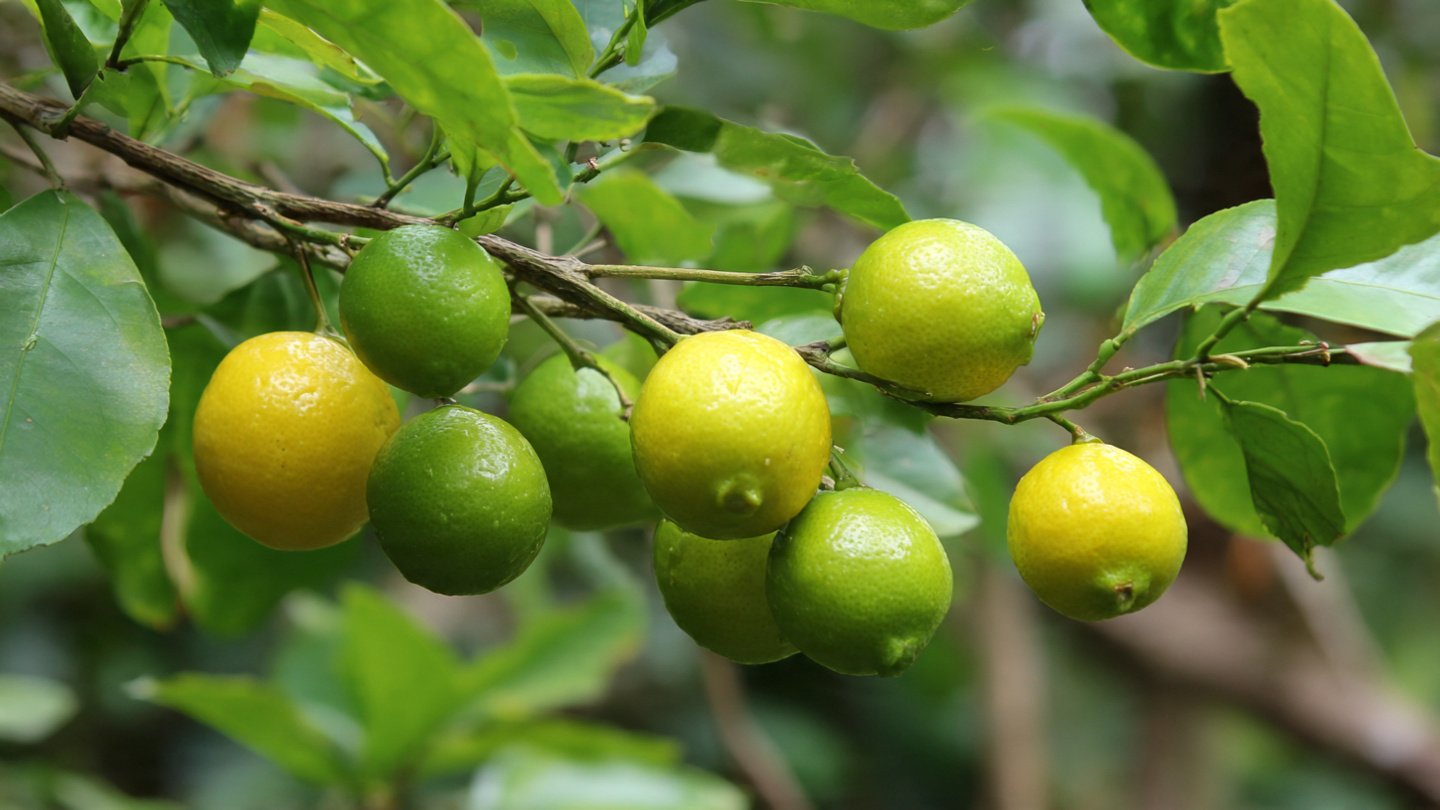
Thai lemon, also known as lime, particularly the Kaffir lime, holds a special place in Thai cuisine, contributing to the country’s unique flavor profile that is celebrated worldwide. With its vibrant aroma, distinctive taste, and surprising versatility, Thai lemon is an indispensable ingredient in numerous dishes, beverages, and even health remedies. This article takes a deep dive into the wonders of Thai lemon, exploring its culinary uses, health benefits, and cultural significance.
The Distinctive Characteristics of Thai Lemon
When we talk about Thai lemon in the context of Thai cuisine, we are primarily referring to two varieties: the regular lime (Citrus aurantiifolia) and the Kaffir lime (Citrus hystrix).
Latest Posts
- With Just 1 Bottle of Water How I Was Shocked by What Happened When Growing Vegetables
- Maximize Your Home Garden with the Hanging Pea Sprout Growing Model – Space-Saving, High-Yield, and Easy-to-Manage Vertical Gardening Solution
- Just Water – The Secret to Growing Plump, White Peanut Sprouts Right at Home: A Step-by-Step Guide for Beginners
- Growing Zucchini at Home in a Container: How to Cultivate Large, Long Fruits with a 1-to-72 Day Step-by-Step Diary for Maximum Yield
- Grow Long Beans on the Terrace in Used Recycling Baskets: The Ultimate Guide to Easy, Space-Saving, and High-Yield Terrace Gardening
- How to Grow Tons of Long Beans Easily Without a Garden – A Complete Guide to Growing Healthy Yardlong Beans Without Fertilizers or Pesticides
- Easy Long Bean Growing Trick – No Garden, No Fertilizer, No Pesticide
- Grow Bitter Melon in Bottles — Harvest So Big You Can’t Eat It All! The Ultimate Guide to Bottle Gardening for Maximum Yields
- Growing Garlic Made Easy: No Soil, Fast Results – The Ultimate Guide to Growing Fresh Garlic Indoors Without Traditional Soil
- Wall-Mounted Hydroponic Watermelon System: Grow Large, Juicy, and Delicious Watermelons at Home with Minimal Space and Maximum Yield
Regular Lime
Regular limes are smaller, oval-shaped, and have a bright green skin that turns yellow when overripe. Their juice is highly acidic, making them a perfect balance for the sweetness and spiciness prevalent in Thai dishes. Regular limes add a zesty freshness to everything from seafood to desserts.
Kaffir Lime
Kaffir lime is renowned not only for its juice but also for its aromatic leaves. The bumpy, dark green fruit is often less juicy than regular limes but is prized for its potent essential oils. The leaves, known as “kaffir lime leaves,” are used to impart a citrus flavor in Thai curries, salads, and soups. Their unique, slightly floral taste is one of the cornerstones of traditional Thai dishes.

Culinary Uses of Thai Lemon
Thai lemon is a multifaceted ingredient, used in various forms across many culinary applications.
1. Flavoring Curries and Soups
One of the most traditional uses of Thai lemon is in curries and soups. Dishes like Tom Yum Goong, a hot and sour shrimp soup, utilize both Kaffir lime leaves and juice to create a complex flavor palette. The acidity from the lime balances the heat from chili peppers, resulting in a harmonious dish that is both invigorating and warming.
2. Marinades and Dressings
Thai lemon juice acts as an excellent marinade for meat and seafood. The acidity helps tenderize proteins while infusing them with flavor, making dishes like Thai grilled chicken (Gai Yang) deeply aromatic and delicious. Furthermore, dressings incorporating lime juice, like the quintessential Thai salad dressing (nam pla wan), marry perfectly with fresh vegetables, enhancing their natural flavors.
3. Dipping Sauces
In Thai cuisine, dipping sauces are integral to the dining experience. Nam Jim, a popular dipping sauce, often contains lime juice as a primary ingredient, mingling with fish sauce, chili, and garlic to create a burst of flavor that accompanies grilled meats or fresh spring rolls.

4. Beverages
Thai lemon is also widely used in beverages. One popular drink is Thai iced tea, often served with a dash of lime juice to enhance its robust flavors. Limeade, made from freshly squeezed lime juice, is a refreshing drink, especially in hot tropical climates, offering a sweet-tart experience that is hard to resist.
5. Desserts
While not as common, Thai lemon can also be incorporated into desserts. Lime-infused coconut puddings or lime popsicles feature prominently in Thai street food, providing a refreshing end to savory meals.
Health Benefits of Thai Lemon
Beyond its culinary prowess, Thai lemon is celebrated for its numerous health benefits:
1. Rich in Vitamin C
Thai lemons, particularly limes, are rich in vitamin C, a vital antioxidant that contributes to immune health, skin health, and the prevention of chronic diseases. Consuming foods high in vitamin C helps boost immunity and fight off infections.

2. Digestive Aid
The acidity in lime juice can stimulate digestive enzymes, enhancing digestion and helping alleviate symptoms like bloating or indigestion. Drinking warm water with lime juice in the morning is a popular remedy in many cultures.
3. Skin Health
The antibacterial properties of lime, combined with its vitamin C content, can benefit skin health. Lime juice is often incorporated into home remedies for acne and skin cleansing, helping to reduce oiliness and boost radiance.
4. Weight Management
Low in calories and high in flavor, lime juice is often used in weight management diets. The refreshing acidity can enhance the taste of water, making it easier for individuals to stay hydrated.
Cultural Significance
In Thailand, lime is more than just an ingredient; it symbolizes freshness, health, and vitality. Festivals often incorporate lime in traditional dishes, highlighting its integral role in Thai culture. Many Thai families keep a lime tree in their backyards, reflecting its importance in both culinary and home remedies.

The use of lime is also linked to the country’s agricultural practices, as lime trees flourish in Thailand’s tropical climate. The fruit’s availability year-round allows for its sustained presence in everyday cooking, showcasing the integration of local agriculture into Thai culinary traditions.
FAQs About Thai Lemon
Q1: What is the difference between Kaffir lime and regular lime?
Kaffir lime has bumpy skin and less juice than regular limes. The leaves are aromatic and are widely used in Thai dishes, while regular limes are more commonly used for juice.
Q2: Can I use regular lime instead of Kaffir lime in recipes?
While regular limes can substitute in a pinch, they lack the unique flavor profile of Kaffir lime leaves. If possible, use both for authentic Thai cuisine.
Q3: How can I incorporate Thai lemon into my diet?
You can add lime juice to salad dressings, marinades, beverages, and desserts. You can also use the zest or leaves in curries and soups for added flavor.

Q4: Is lime juice safe for everyone?
Generally, lime juice is safe for most people. However, those with citrus allergies or certain health conditions should consult a healthcare professional.
Q5: What are some popular Thai dishes that feature lime?
Popular dishes include Tom Yum Goong (spicy shrimp soup), Pad Thai (stir-fried noodles), Som Tum (spicy papaya salad), and various curries, all of which leverage the bold flavors of Thai lemon.
Conclusion
Thai lemon is undoubtedly a cornerstone of Thai cuisine, offering an array of flavors and benefits that enhance both culinary experiences and health. Its versatility allows it to shine in savory dishes, refreshing beverages, and even desserts. Exploring the wonders of Thai lemon not only celebrates the rich flavors of Thailand but also emphasizes the deep cultural connections tied to this vibrant ingredient. Whether you’re a home cook or a culinary enthusiast, incorporating Thai lemon into your kitchen can elevate your dishes to new heights.