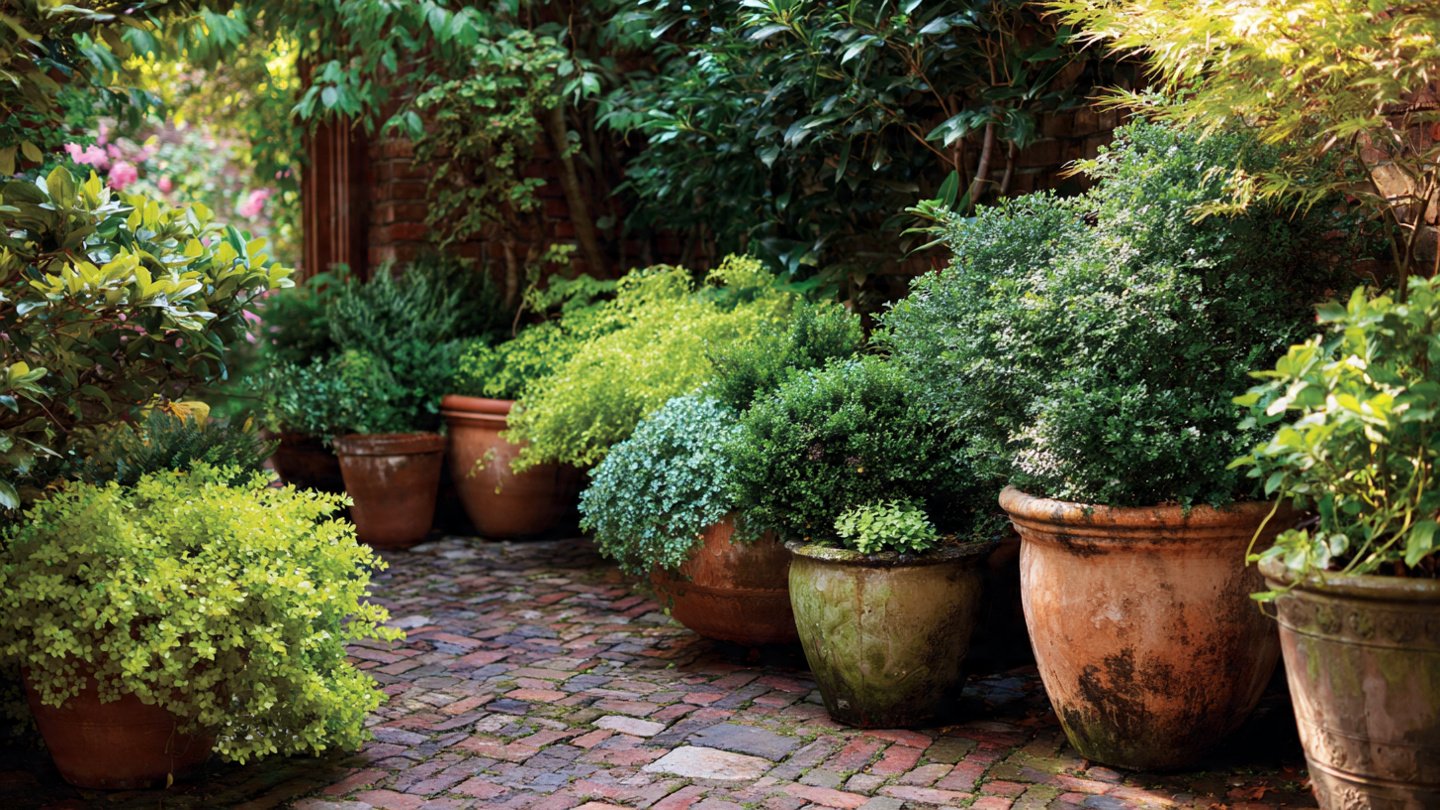
Container gardening is a rewarding and versatile method for cultivating plants, whether you have a sprawling backyard, a cozy balcony, or just a windowsill in your apartment. This guide will explore the fundamental aspects of container gardening, providing practical tips and insights to help your plants thrive in any space.
1. Understanding Container Gardening
Container gardening involves growing plants in pots, planters, or any other type of container instead of traditional garden beds. This method offers several advantages:
Latest Posts
- With Just 1 Bottle of Water How I Was Shocked by What Happened When Growing Vegetables
- Maximize Your Home Garden with the Hanging Pea Sprout Growing Model – Space-Saving, High-Yield, and Easy-to-Manage Vertical Gardening Solution
- Just Water – The Secret to Growing Plump, White Peanut Sprouts Right at Home: A Step-by-Step Guide for Beginners
- Growing Zucchini at Home in a Container: How to Cultivate Large, Long Fruits with a 1-to-72 Day Step-by-Step Diary for Maximum Yield
- Grow Long Beans on the Terrace in Used Recycling Baskets: The Ultimate Guide to Easy, Space-Saving, and High-Yield Terrace Gardening
- How to Grow Tons of Long Beans Easily Without a Garden – A Complete Guide to Growing Healthy Yardlong Beans Without Fertilizers or Pesticides
- Easy Long Bean Growing Trick – No Garden, No Fertilizer, No Pesticide
- Grow Bitter Melon in Bottles — Harvest So Big You Can’t Eat It All! The Ultimate Guide to Bottle Gardening for Maximum Yields
- Growing Garlic Made Easy: No Soil, Fast Results – The Ultimate Guide to Growing Fresh Garlic Indoors Without Traditional Soil
- Wall-Mounted Hydroponic Watermelon System: Grow Large, Juicy, and Delicious Watermelons at Home with Minimal Space and Maximum Yield
- Flexibility: You can move containers to optimize sunlight and protect plants from adverse weather.
- Accessibility: Gardening at waist height or with elevated planters makes it easier for individuals with mobility issues.
- Control over Soil and Drainage: Containers allow you to customize the soil blend and manage drainage effectively.
- Aesthetic Appeal: Containers can be arranged in visually pleasing ways, enhancing your home’s aesthetic.
2. Choosing the Right Containers
Selecting the right container is the first step in successful container gardening. Consider the following factors:
Material
- Plastic: Lightweight and affordable, plastic containers retain moisture well but may fade in the sun.
- Terracotta: These porous pots allow for good air circulation but require more frequent watering due to their ability to draw moisture away.
- Ceramic: Often glazed and decorative, they come in various colors and patterns but can be heavy and expensive.
- Wood: Eco-friendly, wooden containers can provide good insulation but may rot over time if not properly treated.

Size
The size of your container will depend on the type of plants you want to grow. Generally:
- Small pots (6-8 inches) are suitable for herbs or small flowers.
- Medium pots (10-14 inches) work well for medium-sized plants like peppers or compact tomatoes.
- Large pots (16 inches or more) are ideal for larger plants or multiple plants in one container.
3. Soil Choices
Selecting the right potting mix is crucial for the health of your container garden. Traditional garden soil is often too dense for pots and can hinder drainage. Instead, consider:
- Potting Mix: This is specifically formulated for container gardening and typically contains peat moss, vermiculite, and perlite.
- Organic Options: Look for organic potting mixes if you prefer a more eco-friendly approach.
- Custom Blends: You can create your own mix using equal parts of peat moss, vermiculite, and compost for a nutrient-rich foundation.
4. Choosing Plants
When choosing plants for your container garden, consider factors like sunlight, water needs, and growth habits.
Herbs
Herbs are ideal for container gardening due to their limited root systems. Some excellent choices include:

- Basil: Thrives in full sun and requires regular watering.
- Mint: Grows well in partial shade and should be confined to a container to prevent it from overtaking your garden.
- Chives: Hardy and easy to grow, they can tolerate a wide range of conditions.
Vegetables
Many vegetables can successfully thrive in containers:
- Tomatoes: Choose compact varieties like ‘Patio’ or ‘Tiny Tim’ for best results.
- Peppers: Both sweet and hot varieties grow well in pots.
- Lettuce: This leafy green thrives in cooler weather, making it perfect for spring and fall container gardens.
Flowers
Incorporating flowers adds visual interest:
- Petunias: These colorful blooms thrive in containers and provide visual appeal throughout the season.
- Marigolds: Hardy and easy to care for, they deter pests while adding vibrant color.
- Geraniums: Ideal for sunny spots, they are available in various colors.
5. Sunlight Requirements
Understanding the sunlight requirements of your plants is crucial. Most vegetables and flowers prefer full sun (at least 6-8 hours of direct sunlight), while some herbs may thrive in partial shade.

Tips for Positioning Containers
- Observe Sun Patterns: Monitor your space throughout the day to identify the sunniest spots.
- Group Plants by Needs: Combine plants with similar sunlight and water needs in the same container or area.
- Use Reflective Surfaces: Position containers near walls or surfaces that can reflect sunlight to increase exposure.
6. Watering Techniques
Container plants often require more frequent watering than traditional garden beds due to the limited soil volume. Here are some watering tips:
- Check Moisture Levels: Use your finger or a moisture meter to check the dampness of the soil.
- Water Deeply: When watering, aim for deep, thorough watering that reaches the root zone, rather than shallow daily sprinkles.
- Use Self-Watering Containers: These can help regulate moisture levels, reducing the frequency of watering.
7. Fertilizing Your Container Garden
Container plants rely on you for nutrients, as the soil can become depleted more quickly. Use a balanced fertilizer that suits your plant choices, following these guidelines:
- Slow-Release Fertilizer: This provides nutrients over time and is a convenient option for busy gardeners.
- Liquid Fertilizers: Apply every few weeks for a nutrient boost, particularly useful during the growing season.
- Organic Fertilizers: Consider compost or well-rotted manure for a more eco-friendly option.

8. Pest Management
Pest problems can arise in container gardens, but they are generally easier to control. Here are some methods to keep pests at bay:
- Regular Monitoring: Check plants regularly for signs of pests, such as discoloration or holes in leaves.
- Natural Predators: Encourage beneficial insects like ladybugs, which can help manage pest populations.
- Organic Solutions: Use neem oil or insecticidal soap as a natural way to combat infestations.
9. Seasonal Care
Container gardens require adjustments throughout the seasons. Here’s how to keep them thriving year-round:
Spring and Summer
- Pruning: Regularly prune to encourage bushier growth and prevent overcrowding.
- Watering: Increase watering frequency as temperatures rise.
- Replanting: Consider rotating plants for better yields and to prevent disease.
Fall and Winter
- Protecting Plants: Move containers to sheltered spots or use frost covers for sensitive plants during cold snaps.
- Winter Gardening: Consider planting hardy varieties in fall for a winter harvest, such as kale or garlic.
10. Creative Ideas for Container Gardening
The beauty of container gardening is its adaptability. Here are some creative approaches to enhance your garden:
- Vertical Gardens: Use stacked planters or wall-mounted containers to save space.
- Repurposed Containers: Use old buckets, crates, or even shoes as quirky plant pots.
- Themed Gardens: Create a culinary herb garden, a pollinator-friendly space, or a vibrant floral display with complementary colors.
FAQs
Q: How do I know when to water my container plants?
A: Check the top inch of soil; if it feels dry, it’s time to water. You can also use a moisture meter for precise readings.
Q: Can I grow vegetables in small containers?
A: Yes! Many vegetables, like herbs, salad greens, and dwarf varieties of tomatoes or peppers, thrive in small containers.
Q: Should I use saucers under my pots?
A: Saucers can help catch excess water, but be careful not to leave standing water, as this can lead to root rot.
Q: What’s the best way to fertilize container plants?
A: A slow-release fertilizer at planting time, supplemented with liquid fertilizer every few weeks during the growing season, usually works best.
Q: How can I prevent my plants from becoming leggy?
A: Ensure they receive enough sunlight and consider rotating pots regularly to promote even growth.
Conclusion
Container gardening empowers anyone to become a gardener, regardless of available space or experience. By following the tips outlined in this guide, you can create a thriving container garden filled with lush plants and vibrant colors, turning any space into your personal green oasis. Whether you’re growing herbs for culinary use or colorful flowers for decoration, container gardening offers the flexibility and creativity to cultivate a flourishing garden in every corner of your home. Happy gardening!