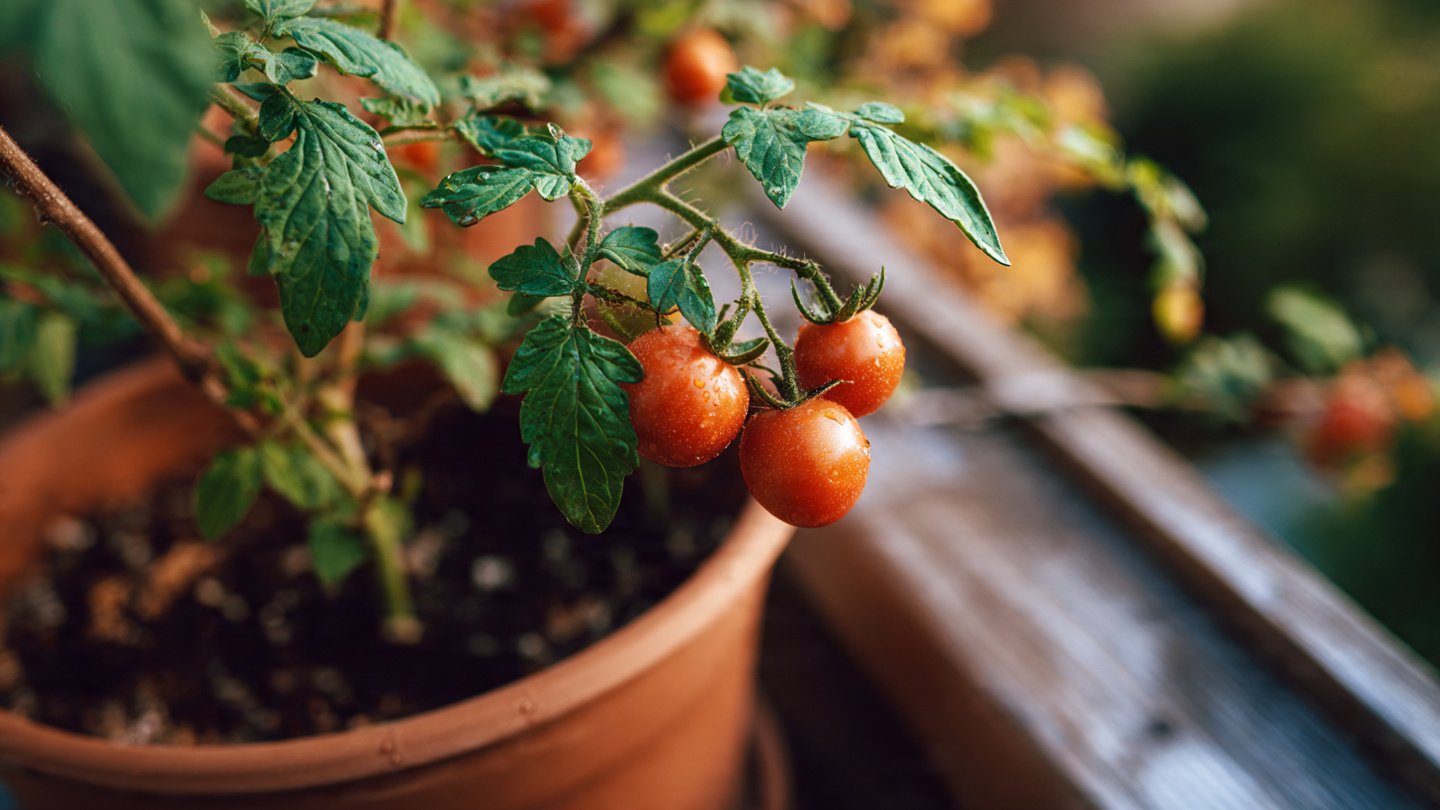
Growing tomatoes on your balcony can be an incredibly rewarding endeavor. Not only do homegrown tomatoes taste significantly better than store-bought varieties, but they also provide a sense of accomplishment and connection to nature. With a little preparation and care, you can enjoy fresh tomatoes year-round, even in limited spaces. This guide covers everything you need to know to successfully grow tomato plants on your balcony, from choosing the right variety to maintaining your plants.
Choosing the Right Tomato Variety
1. Know Your Space
Latest Posts
- With Just 1 Bottle of Water How I Was Shocked by What Happened When Growing Vegetables
- Maximize Your Home Garden with the Hanging Pea Sprout Growing Model – Space-Saving, High-Yield, and Easy-to-Manage Vertical Gardening Solution
- Just Water – The Secret to Growing Plump, White Peanut Sprouts Right at Home: A Step-by-Step Guide for Beginners
- Growing Zucchini at Home in a Container: How to Cultivate Large, Long Fruits with a 1-to-72 Day Step-by-Step Diary for Maximum Yield
- Grow Long Beans on the Terrace in Used Recycling Baskets: The Ultimate Guide to Easy, Space-Saving, and High-Yield Terrace Gardening
- How to Grow Tons of Long Beans Easily Without a Garden – A Complete Guide to Growing Healthy Yardlong Beans Without Fertilizers or Pesticides
- Easy Long Bean Growing Trick – No Garden, No Fertilizer, No Pesticide
- Grow Bitter Melon in Bottles — Harvest So Big You Can’t Eat It All! The Ultimate Guide to Bottle Gardening for Maximum Yields
- Growing Garlic Made Easy: No Soil, Fast Results – The Ultimate Guide to Growing Fresh Garlic Indoors Without Traditional Soil
- Wall-Mounted Hydroponic Watermelon System: Grow Large, Juicy, and Delicious Watermelons at Home with Minimal Space and Maximum Yield
Before selecting a tomato variety, assess the available space on your balcony. Consider how much sunlight your area receives; most tomatoes thrive in at least six hours of direct sunlight per day. Here are some suitable varieties based on space:
- Small Spaces: Opt for dwarf or determinate varieties. Examples include ‘Tiny Tim’ and ‘Patio Princess.’
- Larger Spaces: Indeterminate varieties like ‘Cherry’ or ‘Roma’ can be trellised and will produce fruit throughout the growing season.
2. Seed vs. Seedling
You can start tomatoes from seeds or purchase young plants. Starting from seeds allows for a wider selection, whereas seedlings are a quicker option. If you choose seeds, begin them indoors 6-8 weeks before your last frost date.
Essential Supplies
1. Containers
Choose pots that are at least 5-10 gallons in size. Ensure your pots have drainage holes to prevent waterlogging. Consider self-watering pots for convenience.
2. Soil
Opt for high-quality potting mix designed for container gardening. Look for mixes that include organic matter and ensure good drainage.
3. Fertilizers
Tomatoes are heavy feeders. Use a balanced fertilizer (such as 10-10-10) or a specialized tomato fertilizer, applied according to the package instructions.
4. Supports
For indeterminate varieties, invest in cages or stakes to support your plants as they grow. This keeps the fruit off the ground and promotes good air circulation.
The Planting Process
1. Timing
In many regions, planting is best done after the last frost. The ideal soil temperature for tomatoes is between 70°F and 85°F (21°C to 29°C). If you’re in a colder climate, you can use row covers to protect your plants.
2. Sowing Seeds or Transplanting
- From Seeds: Sow seeds in a seed-starting mix, covering them lightly with soil. Keep them moist and in a warm location until germinated.
- From Seedlings: When transplanting seedlings, bury them deeper than they were in their nursery pots. This encourages root growth along the buried stem.
3. Watering
Water the plants thoroughly after planting and provide consistent moisture. Tomatoes prefer deep watering less frequently than shallow watering more often. Aim to keep the soil consistently moist but not soggy.
Caring for Your Tomato Plants
1. Sunlight
Ensure your tomato plants receive at least 6-8 hours of direct sunlight daily. If your balcony has partial shade, choose shade-tolerant varieties.
2. Watering Routine
Tomatoes need about 1-2 inches of water per week. Check the soil moisture before watering. The top inch should feel dry but not completely parched.
3. Fertilization Schedule
Start fertilizing about three weeks after planting. Continue to fertilize every 4-6 weeks during the growing season. A high-potassium fertilizer promotes fruiting.
4. Pruning
Prune suckers—small shoots that grow in the leaf axils—about once a week. This encourages the plant to focus its energy on producing fruit rather than excessive foliage.
Dealing with Pests and Diseases
Common Pests
- Aphids: Use insecticidal soap or neem oil.
- Whiteflies: Use sticky traps or insecticidal soap.
- Spider mites: Increase humidity around your plants and use neem oil.

Common Diseases
- Blight: Ensure good air circulation and avoid overhead watering.
- Powdery Mildew: Apply organic fungicides and ensure proper spacing between plants.
Growing Tomatoes Year-Round
1. Wintering Indoors
If you’re in a colder climate, consider bringing your tomato plants indoors during the winter. Place them in a sunny window and reduce watering slightly.
2. Grow Lights
Using grow lights can help supplement natural light during the shorter days of winter. Fixtures with a full spectrum of light will encourage healthy growth.
3. Hydroponics and Aquaponics
If you’re serious about growing tomatoes year-round, consider investing in a hydroponic or aquaponic system. These systems can be set up indoors and allow for year-round growth without soil.
Harvesting Your Tomatoes
Harvest when the tomatoes are fully colored and slightly soft to the touch. Gently twist and pull the fruit from the vine to avoid damaging the plant.
FAQs
1. How do I choose the right tomato variety for my balcony?
Select compact or dwarf varieties like ‘Tiny Tim’ for smaller spaces, and indeterminate types like ‘Cherry’ or ‘Roma’ for larger areas. Assess sunlight and potting space to make the best choice.
2. How often should I water my tomato plants?
Water deeply once or twice a week, keeping the soil consistently moist but not soggy. Always check the top inch of soil before watering.
3. Can I grow tomatoes indoors?
Yes! Choose a sunny window or use grow lights. Indoor tomatoes may require special care to ensure they get enough light.
4. What pests are common in tomato plants?
Common pests include aphids, spider mites, and whiteflies. Use organic insecticides or neem oil to control them.
5. How can I protect my tomato plants in winter?
For colder climates, bring plants indoors or use row covers. Use grow lights to supplement sunlight if necessary, and reduce watering as growth slows.
6. What are signs of overwatering or underwatering?
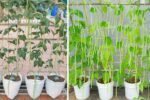
Overwatering presents as wilting leaves and yellowing, while underwatering leads to dry, crispy foliage. Adjust your watering schedule accordingly.
7. How long does it take to grow tomatoes?
From planting to harvest, tomatoes generally take 60-100 days depending on the variety.
8. Can I grow tomatoes from store-bought fruits?
Yes, but it’s worth noting that the resulting plants may not produce true-to-type fruit. Collect seeds from ripe tomatoes, dry them, and start indoors.
9. What type of fertilizer is best for tomatoes?
Use a balanced fertilizer (10-10-10) or one specifically formulated for tomatoes. Apply according to package directions.
10. How can I tell when my tomatoes are ripe?
Tomatoes are ripe when they are fully colored (red, yellow, or another color depending on the variety) and slightly soft to the touch.
Conclusion
Successfully growing tomatoes on your balcony year-round is entirely attainable with the right knowledge and resources. By selecting specific varieties suited for container gardening, maintaining proper care, and being vigilant about pests and diseases, you can enjoy the delightful taste of homegrown tomatoes regardless of the season. Happy gardening!