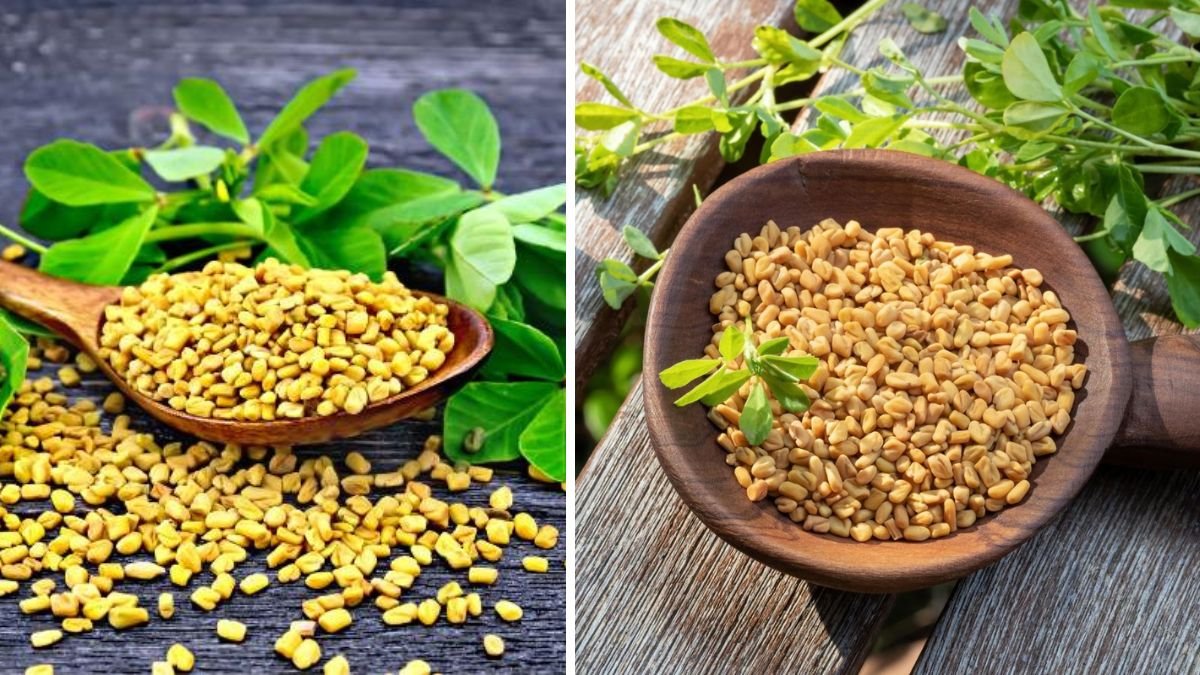
Fenugreek (Trigonella foenum-graecum) is an incredibly versatile herb, renowned for its culinary uses and potential health benefits. Whether you’re an experienced gardener or just beginning, growing fenugreek in a container at home is not only feasible but also rewarding. This guide will provide you with all the information you need to successfully cultivate this aromatic herb in your own kitchen or garden.
Understanding Fenugreek
What is Fenugreek?
Latest Posts
- With Just 1 Bottle of Water How I Was Shocked by What Happened When Growing Vegetables
- Maximize Your Home Garden with the Hanging Pea Sprout Growing Model – Space-Saving, High-Yield, and Easy-to-Manage Vertical Gardening Solution
- Just Water – The Secret to Growing Plump, White Peanut Sprouts Right at Home: A Step-by-Step Guide for Beginners
- Growing Zucchini at Home in a Container: How to Cultivate Large, Long Fruits with a 1-to-72 Day Step-by-Step Diary for Maximum Yield
- Grow Long Beans on the Terrace in Used Recycling Baskets: The Ultimate Guide to Easy, Space-Saving, and High-Yield Terrace Gardening
- How to Grow Tons of Long Beans Easily Without a Garden – A Complete Guide to Growing Healthy Yardlong Beans Without Fertilizers or Pesticides
- Easy Long Bean Growing Trick – No Garden, No Fertilizer, No Pesticide
- Grow Bitter Melon in Bottles — Harvest So Big You Can’t Eat It All! The Ultimate Guide to Bottle Gardening for Maximum Yields
- Growing Garlic Made Easy: No Soil, Fast Results – The Ultimate Guide to Growing Fresh Garlic Indoors Without Traditional Soil
- Wall-Mounted Hydroponic Watermelon System: Grow Large, Juicy, and Delicious Watermelons at Home with Minimal Space and Maximum Yield
Fenugreek is a herbaceous plant from the Mediterranean region, known for its aromatic seeds and leaves. The leaves are often used fresh in salads, cooking, and as a garnish, while the seeds serve various purposes, from spice blends to natural remedies.
Benefits of Growing Fenugreek
- Culinary Uses: Fenugreek leaves and seeds can enhance various dishes with their unique flavor.
- Health Benefits: Fenugreek is rich in antioxidants and can help with digestion, balance blood sugar levels, and support lactation.
- Easy to Grow: Container gardening makes it accessible for those with limited space.
Choosing the Right Container
Size Matters
A container of at least 12 inches in diameter and 12 inches deep is an ideal choice for growing fenugreek. This size allows for ample root growth and provides enough soil volume for healthy plants.
Material Options
- Plastic Pots: Lightweight and affordable, they retain moisture well.
- Terracotta Pots: Porous and aesthetically pleasing, but they may require more frequent watering.
- Fabric Pots: Promote good drainage and root aeration, keeping plants healthy.
Drainage
Ensure your container has drainage holes at the bottom. Good drainage prevents root rot and other moisture-related issues.
Ideal Soil Conditions
Fenugreek thrives in well-draining, nutrient-rich soil. Here’s how to prepare the perfect soil mix:
Soil Composition
- Potting Mix: Choose a high-quality potting mix that provides good aeration.
- Organic Matter: Mix in compost or well-rotted manure to enrich the soil.
- pH Level: Fenugreek prefers slightly acidic to neutral soil (pH 6.0 to 7.0).
Soil Preparation Steps
- Mix equal parts potting mix and organic matter.
- Ensure the soil is moist but not soggy before planting.
Planting Fenugreek Seeds
When to Plant
Fenugreek can be grown year-round in many regions, but the best time to plant is in spring or early fall when temperatures are mild.
Seed Selection
Choose high-quality, organic fenugreek seeds. They are typically available at garden centers, nurseries, or online.
Planting Steps
- Soak the Seeds: Soak fenugreek seeds in water for a few hours prior to planting to improve germination rates.
- Spacing: Plant seeds about 1 inch apart, covering them with about half an inch of soil.
- Watering: Gently water the soil after planting, ensuring it’s moist but not waterlogged.
Caring for Your Fenugreek Plants
Light Requirements
Fenugreek flourishes in full sun, requiring at least 6 hours of direct sunlight daily. If your container is indoors, place it near a south-facing window to maximize light exposure.
Watering
- Frequency: Fenugreek prefers moist soil, so check moisture levels regularly. Water when the top inch of soil feels dry.
- Method: Water deeply to encourage strong root growth, avoiding overhead watering to prevent disease.
Fertilization
Fenugreek is a low-maintenance crop but will benefit from occasional feeding. A balanced, liquid fertilizer every 4-6 weeks during the growing season will promote healthy growth.
Pests and Diseases
Common Pests
Fenugreek is generally resilient but may attract pests:
- Aphids: Tiny insects that can be removed with a strong stream of water.
- Spider Mites: Insufficient moisture can lead to these pests; increase humidity around the plant.
Diseases to Watch For
- Fungal Infections: Ensure proper drainage and avoid overhead watering to reduce the risk of fungal diseases.
- Root Rot: Monitor watering practices; only water when necessary.
Harvesting Fenugreek
When to Harvest
You can begin to harvest fenugreek leaves when they are about 6-8 inches tall. This is typically 4-6 weeks after planting.
Harvesting Steps
- Leaves: Use scissors to snip off the outer leaves, allowing the inner leaves to continue growing.
- Seeds: If you’re growing fenugreek for seeds, allow the plant to flower and the pods to dry out on the plant. Harvest the pods when brown and brittle.
Storing Fenugreek
Storing Leaves
Fresh leaves can be refrigerated in a sealed container for about a week. For longer storage, consider drying the leaves or freezing them in small portions.
Storing Seeds
Dried fenugreek seeds can be stored in an airtight container in a cool, dark place for up to a year. Ground fenugreek should be used within 6 months for optimal flavor.
Troubleshooting Common Issues
- Slow Growth: May indicate insufficient sunlight or nutrient deficiency.
- Yellowing Leaves: Often a sign of overwatering or nutrient deficiency.
- Leggy Growth: Can result from insufficient light; consider relocating your container for more sun.
FAQs
1. How long does it take for fenugreek to grow?
Typically, fenugreek leaves can be harvested 4-6 weeks after planting, while seeds may take about 3 months.
2. Can I grow fenugreek indoors?
Yes, fenugreek can thrive indoors with adequate light. A south-facing window or grow lights can help.
3. How often should I water fenugreek?
Water when the top inch of soil feels dry. This usually means watering every few days, but it can vary based on climate and indoor conditions.
4. Is fenugreek a perennial or annual plant?
Fenugreek is an annual plant, meaning it completes its life cycle in one growing season.
5. Can I grow fenugreek from store-bought seeds?
Yes, you can use high-quality, organic fenugreek seeds from the grocery store, though it’s often better to source them from a garden center for higher germination rates.
6. What can I do with excess fenugreek?
Excess leaves can be used fresh in salads and cooking, dried for teas, or even used in homemade herbal remedies. Seeds can also be used in various culinary applications.
7. Are there any special requirements for growing fenugreek in winter?
If growing fenugreek indoors during winter, ensure it has sufficient light and warmth, as lower temperatures can hinder growth.
Conclusion
Growing fenugreek in a container at home is an enriching experience that combines culinary delight with gardening satisfaction. With this ultimate guide, you have the essential knowledge to successfully grow, care for, and harvest your own fenugreek. Enjoy the fresh flavors and numerous benefits of this remarkable herb, and let your gardening journey flourish!