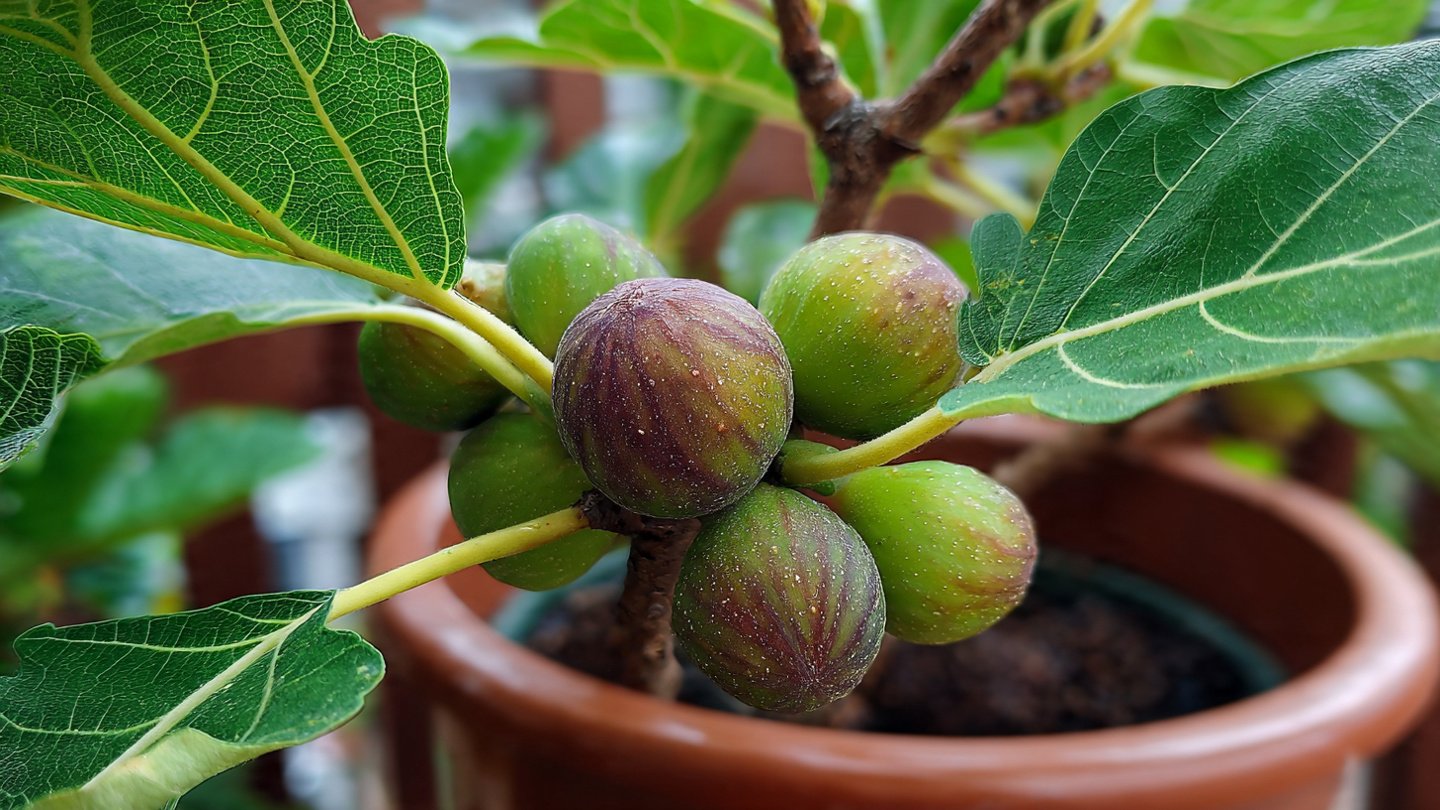
Figs have been a beloved fruit for centuries, celebrated for their unique flavor and texture. With the rise in container gardening, growing fig trees in pots has become increasingly popular. This guide will walk you through the ins and outs of cultivating container fig plants, including essential tips, techniques, and common questions.
Understanding Fig Trees
Varieties of Fig Trees
Latest Posts
- With Just 1 Bottle of Water How I Was Shocked by What Happened When Growing Vegetables
- Maximize Your Home Garden with the Hanging Pea Sprout Growing Model – Space-Saving, High-Yield, and Easy-to-Manage Vertical Gardening Solution
- Just Water – The Secret to Growing Plump, White Peanut Sprouts Right at Home: A Step-by-Step Guide for Beginners
- Growing Zucchini at Home in a Container: How to Cultivate Large, Long Fruits with a 1-to-72 Day Step-by-Step Diary for Maximum Yield
- Grow Long Beans on the Terrace in Used Recycling Baskets: The Ultimate Guide to Easy, Space-Saving, and High-Yield Terrace Gardening
- How to Grow Tons of Long Beans Easily Without a Garden – A Complete Guide to Growing Healthy Yardlong Beans Without Fertilizers or Pesticides
- Easy Long Bean Growing Trick – No Garden, No Fertilizer, No Pesticide
- Grow Bitter Melon in Bottles — Harvest So Big You Can’t Eat It All! The Ultimate Guide to Bottle Gardening for Maximum Yields
- Growing Garlic Made Easy: No Soil, Fast Results – The Ultimate Guide to Growing Fresh Garlic Indoors Without Traditional Soil
- Wall-Mounted Hydroponic Watermelon System: Grow Large, Juicy, and Delicious Watermelons at Home with Minimal Space and Maximum Yield
Before diving into the how-tos, let’s explore the different varieties of fig trees suitable for container gardening:
- Brown Turkey: This variety produces sweet, large figs and is tolerant of different climates.
- Celeste: Known for its sweet flavor and small to medium-sized fruit, it does well in containers.
- Kadota: These figs are light green and have a rich, sweet taste. They adapt well to pot life.
- Chicago Hardy: This cold-hardy variety is perfect for cooler climates and produces a good yield.
Climate Considerations
Fig trees thrive in USDA hardiness zones 7-10. They enjoy a Mediterranean climate with plenty of sunlight and minimal frost. However, growing them in containers allows you to control their environment, making them more adaptable.
Choosing the Right Container
Size Matters
Selecting the right container size is crucial for your fig tree’s growth. A pot that is 18 to 24 inches in diameter is typically ideal for larger varieties. The container should be large enough to accommodate root growth while allowing for adequate drainage.
Material
- Plastic: Lightweight and affordable, but can retain heat.
- Terracotta: Excellent for air circulation and aesthetics but prone to drying out.
- Wood: Provides good insulation but can rot if not treated.
- Fabric: Great for breathability and root health but can dry out quickly.
Drainage
Ensure your container has sufficient drainage holes. Figs do not like sitting in water, which can lead to root rot. You can use a potting mix specifically designed for container gardening, ensuring it aids in drainage while retaining moisture.
Soil Requirements
Figs prefer well-draining soil that is rich in organic matter. A combination of potting soil, compost, and perlite or sand provides the drainable yet fertile environment your fig tree needs.
Planting Figs in Containers
Timing
The best time to plant figs is in early spring after the last frost. This timing allows your plant to establish roots before the hot summer months.
Planting Process
- Prepare the Container: Fill the pot with your soil mix, leaving about an inch of space at the top.
- Remove the Tree: Gently take the fig plant out of its nursery container, loosening any tightly bound roots.
- Position the Plant: Place your fig tree in the center of the pot and fill in with more soil, ensuring the root ball is level with the top of the soil.
- Water Thoroughly: After planting, give your fig tree a deep watering to settle the soil and eliminate air pockets.
Care and Maintenance
Watering
Container fig plants require consistent watering, especially in hot weather. Check the top inch of soil; if it feels dry, it’s time to water. Ideally, aim for deep but infrequent watering to encourage strong root growth.
Fertilizing
Fertilize your fig tree during the growing season (spring to early summer). A balanced fertilizer (like 10-10-10) applied every 4-6 weeks will support healthy growth. Refrain from fertilizing in late summer or fall to allow the tree to prepare for dormancy.
Pruning
Pruning helps increase airflow and light penetration, leading to healthier and more productive plants. In late winter or early spring:
- Remove any dead or diseased wood.
- Thin any overly crowded limbs.
- Cut back any branches that are growing too long.

Pest and Disease Control
Container-grown figs can be susceptible to pests like:
- Aphids: Small, sap-sucking insects that can be treated with insecticidal soap.
- Spider Mites: Common in dry conditions, they can be managed with a potent spray of water.
Root rot can occur if the soil remains overly damp. Ensure good drainage and avoid overwatering to prevent this issue.
Harvesting
Figs typically bear fruit from late summer to early fall. To determine if they’re ready for harvesting:
- Look for softness: Ripe figs will yield a little when gently pressed.
- Check for color: Depending on the variety, figs will change color when ripe.
- Observe the droop: Ripe figs often show a slight droop on the stem.
Harvest figs with care, twisting gently to remove them from the branch. Enjoy them fresh, dried, or in a variety of recipes.
Overwintering Your Fig Tree
For those in cooler climates, it’s crucial to prepare your container fig for winter. Here are some steps:
- Move Indoors: Before the first frost, move your fig tree indoors or to a sheltered area.
- Reduce Watering: Place the tree in a cool location and reduce watering significantly.
- Prune as Needed: If necessary, prune the tree lightly to control its size and remove any dead branches.
FAQs
How many figs will my container tree produce?
The yield can vary significantly based on the tree size, variety, and growing conditions. An established fig tree in a 20-gallon container can produce several dozen figs per season.
Can I grow figs indoors?
Yes, figs can be grown indoors, provided they receive ample sunlight (at least 6 hours daily) and are placed in a well-draining pot.
What are the symptoms of overwatering figs?
Signs of overwatering include yellowing leaves, drooping branches, and fungus gnats. If you suspect overwatering, reduce watering and ensure your pot has adequate drainage.
How do I propagate fig trees?
Figs can be propagated through cuttings. Take cuttings in the spring or early summer from healthy branches, dip them in rooting hormone, and place them in a well-draining medium.
Why are my figs falling off before they ripen?
Premature fig drop can occur due to environmental stress, such as fluctuations in temperature, inadequate watering, or pest problems. It can also be a normal part of the tree’s fruit-bearing cycle.
Do figs need a pollinator?
Most common fig varieties (like Brown Turkey and Celeste) are self-pollinating, meaning they do not require another tree for pollination.
How can I tell when my figs are ripe?
Check for softness and a slight droop at the stem. Ripe figs will have a rich color, which varies by variety.
Conclusion
Growing container fig plants can be a rewarding endeavor, providing delicious fruits and beautiful foliage. With the right variety, care, and attention, you can enjoy this ancient fruit right at home. Whether you’re a seasoned gardener or a novice, the joy of harvesting your own figs is an experience like no other. Start your adventure today and relish in the sweet rewards of your efforts!