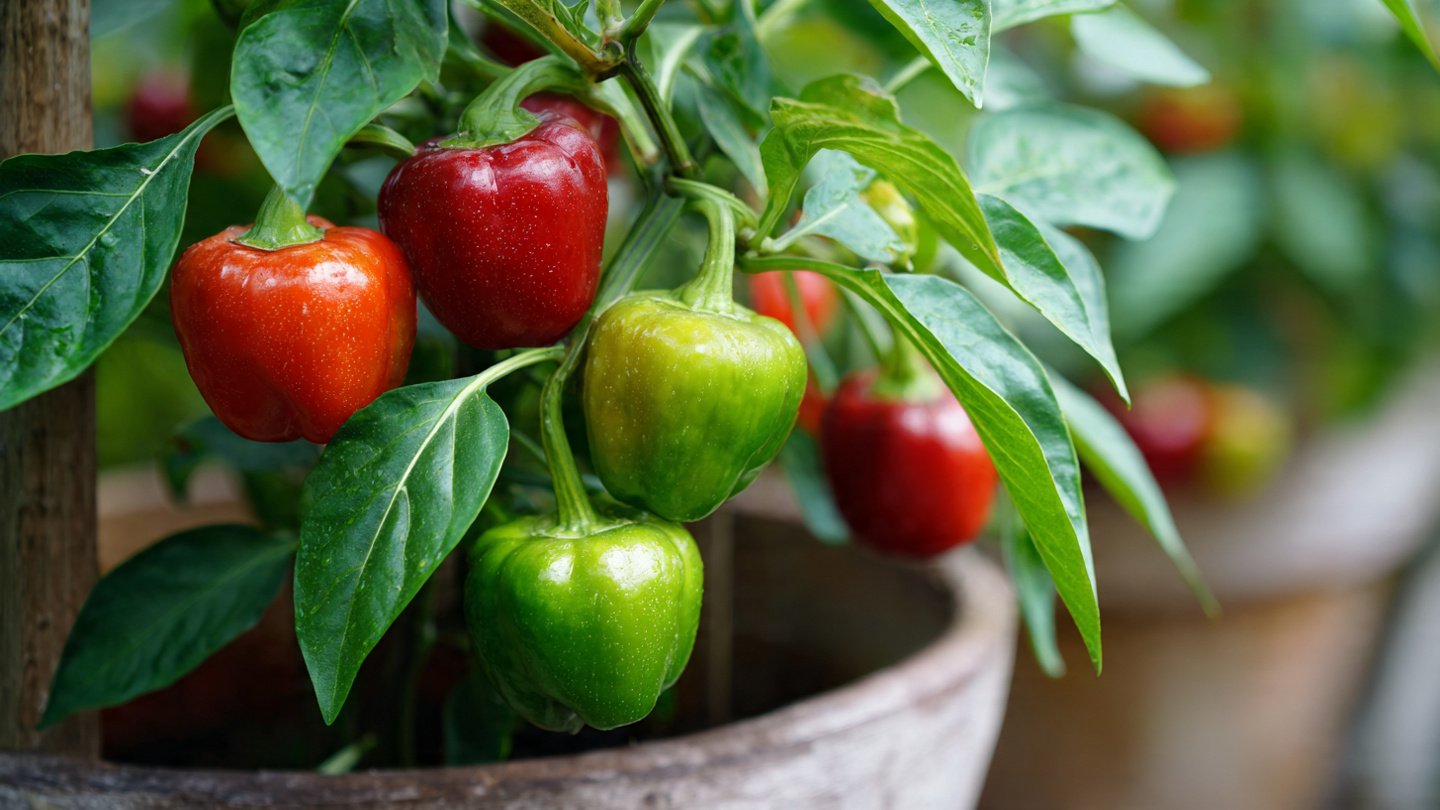
Growing capsicum (bell peppers) in containers is a rewarding endeavor that can bring fresh flavors to your kitchen and a burst of color to your garden. This comprehensive guide will walk you through everything you need to know to successfully cultivate capsicum in containers at home.
1. Understanding Capsicum
Capsicum, commonly known as bell peppers, are members of the nightshade family, which also includes tomatoes and eggplants. They come in various colors, including green, red, yellow, and orange, each offering a unique flavor profile. Capsicum is not only delicious but also packed with vitamins A and C, making them a healthy addition to your diet.
Latest Posts
- With Just 1 Bottle of Water How I Was Shocked by What Happened When Growing Vegetables
- Maximize Your Home Garden with the Hanging Pea Sprout Growing Model – Space-Saving, High-Yield, and Easy-to-Manage Vertical Gardening Solution
- Just Water – The Secret to Growing Plump, White Peanut Sprouts Right at Home: A Step-by-Step Guide for Beginners
- Growing Zucchini at Home in a Container: How to Cultivate Large, Long Fruits with a 1-to-72 Day Step-by-Step Diary for Maximum Yield
- Grow Long Beans on the Terrace in Used Recycling Baskets: The Ultimate Guide to Easy, Space-Saving, and High-Yield Terrace Gardening
- How to Grow Tons of Long Beans Easily Without a Garden – A Complete Guide to Growing Healthy Yardlong Beans Without Fertilizers or Pesticides
- Easy Long Bean Growing Trick – No Garden, No Fertilizer, No Pesticide
- Grow Bitter Melon in Bottles — Harvest So Big You Can’t Eat It All! The Ultimate Guide to Bottle Gardening for Maximum Yields
- Growing Garlic Made Easy: No Soil, Fast Results – The Ultimate Guide to Growing Fresh Garlic Indoors Without Traditional Soil
- Wall-Mounted Hydroponic Watermelon System: Grow Large, Juicy, and Delicious Watermelons at Home with Minimal Space and Maximum Yield
Benefits of Growing Capsicum in Containers
Growing capsicum in containers has several advantages:
- Space-saving: Perfect for small gardens or balconies.
- Mobility: Containers can be relocated to optimize sunlight and shelter from wind.
- Soil control: You can tailor the soil mix to meet the specific needs of your plants.
2. Choosing the Right Containers
When it comes to growing capsicum in containers, the choice of container plays a crucial role.
Container Size
- Size Matters: Choose containers that are at least 5-10 gallons in size. A larger size will provide ample root space.
- Depth is Key: Bell peppers need deep containers (at least 12 inches deep) to support their root systems.
Container Material
- Plastic: Lightweight and affordable, but may retain heat.
- Clay: Breathable and good for airflow, but can dry out quickly.
- Fabric: Excellent for aeration and drainage, and reduces the risk of root rot.
Drainage
Ensure containers have drainage holes to prevent waterlogging, which can lead to root rot.
3. Selecting the Right Soil
The right soil mix is essential for healthy capsicum growth.
Ingredients for a Suitable Soil Mix
- Potting Soil: Start with high-quality potting soil as the base.
- Organic Matter: Add compost or well-rotted manure for nutrients.
- Drainage Materials: Perlite or vermiculite can enhance drainage and aeration.
A suggested mix could be 50% potting soil, 30% compost, and 20% perlite.
4. Choosing the Right Variety
Capsicum comes in numerous varieties, ideal for container gardening. Some popular choices include:
- California Wonder: A classic all-purpose bell pepper with thick walls and excellent flavor.
- Sweet Banana: A yellow pepper that is mild and sweet.
- Mini Bell Peppers: Perfect for smaller containers and ideal for snacking.
5. Planting Capsicum
When to Plant
Capsicum loves warmth, so planting should ideally occur after the last frost date in your region.
Planting Steps
- Prepare the Soil: Ensure the soil is moist but not soggy.
- Planting Seeds or Seedlings: Sow seeds ¼-inch deep, or transplant seedlings while keeping the soil level the same as in the nursery pot.
- Spacing: If planting multiple capsicum in a larger container, space them 12-18 inches apart.
6. Watering Your Capsicum
Watering is critical for successful capsicum growth.
Frequency and Method
- Water Needs: Capsicum prefers consistently moist soil but avoid overwatering.
- Signs of Watering Needs: Yellowing leaves can indicate both under-watering and over-watering, so monitor carefully.
- Watering Method: Water deeply and less frequently to encourage deep root growth.
7. Fertilizing Capsicum
Regular fertilization is essential for growing healthy capsicum.
Types of Fertilizers
- Organic Options: Fish emulsion or liquid seaweed can provide a nutrient boost.
- Granular Fertilizers: A slow-release fertilizer with balanced NPK (nitrogen, phosphorus, potassium) formulation is recommended.
Fertilization Schedule
- Fertilize every four to six weeks during the growing season.
- Reduce fertilization when fruiting begins, focusing on potassium for better fruit development.
8. Sunlight Requirements
Capsicum needs full sun to thrive.
Optimal Light Conditions
- Minimum Requirement: Ensure they receive at least 6-8 hours of direct sunlight daily.
- Location: Position your containers where they can receive consistent sunlight throughout the day.
9. Managing Pests and Diseases
Pests and diseases can threaten your capsicum plants. Here’s how to identify and manage them:
Common Pests
- Aphids: Small insects that suck plant sap. Use insecticidal soap or neem oil.
- Whiteflies: Tiny white flying insects. Yellow sticky traps can help monitor and reduce their population.
- Spider Mites: Tiny arachnids that cause stippling on leaves. Increase humidity or use miticides if necessary.
Diseases
- Blossom End Rot: Looks like brown, sunken spots on the bottom of fruit caused by calcium deficiency. Ensure consistent watering and use lime in the soil.
- Powdery Mildew: A fungal disease that manifests as white powder on leaves. Increase airflow and avoid overhead watering.
10. Harvesting Your Capsicum
Knowing when to harvest is crucial for maximizing flavor.
Signs of Ripeness
- Color Change: Depending on the variety, capsicum changes from green to red, yellow, or orange as it ripens.
- Firmness: Ripe capsicum should feel firm to the touch.
Harvesting Tips
- Use sharp, clean scissors or shears to cut the fruit from the plant to avoid damage.
- Harvest regularly to encourage further fruit production.
11. FAQs
1. Can I grow capsicum from seeds?
Yes, you can grow capsicum from seeds. Start them indoors about 8-10 weeks before the last frost or sow directly in containers after frost danger has passed.
2. How often should I fertilize my capsicum plants?
Fertilize every four to six weeks during the growing season, reducing frequency once fruiting begins.
3. What should I do if my capsicum plants are not producing fruit?
Ensure your plants are receiving enough sunlight, consistent watering, and adequate nutrients. Sometimes, excessive nitrogen can promote foliage growth over flowers.
4. Can I grow capsicum indoors?
Yes, capsicum can be grown indoors if they receive enough sunlight (at least 6-8 hours) or additional grow lights.
5. How can I improve the growth of my capsicum plants?
Ensure you provide ample sunlight, maintain consistent moisture, and use quality soil. Additionally, keep pests at bay to let the plants thrive.
6. Is it necessary to stake capsicum plants?
Generally, capsicum plants don’t require staking unless they become top-heavy with fruit. However, if you’re growing larger varieties, you may want to stake them for support.
7. What are companion plants for capsicum?
Good companion plants include basil, onions, and marigolds, as they can deter pests and share nutrients well.
8. How do I store capsicum after harvesting?
Store capsicum in the refrigerator for up to a week. For long-term storage, consider freezing or pickling them.
Growing capsicum in containers can be a rewarding gardening experience. With proper care, attention, and adherence to the guidelines outlined in this guide, you’ll be well on your way to enjoying fresh, homegrown capsicum in your culinary creations. Happy gardening!