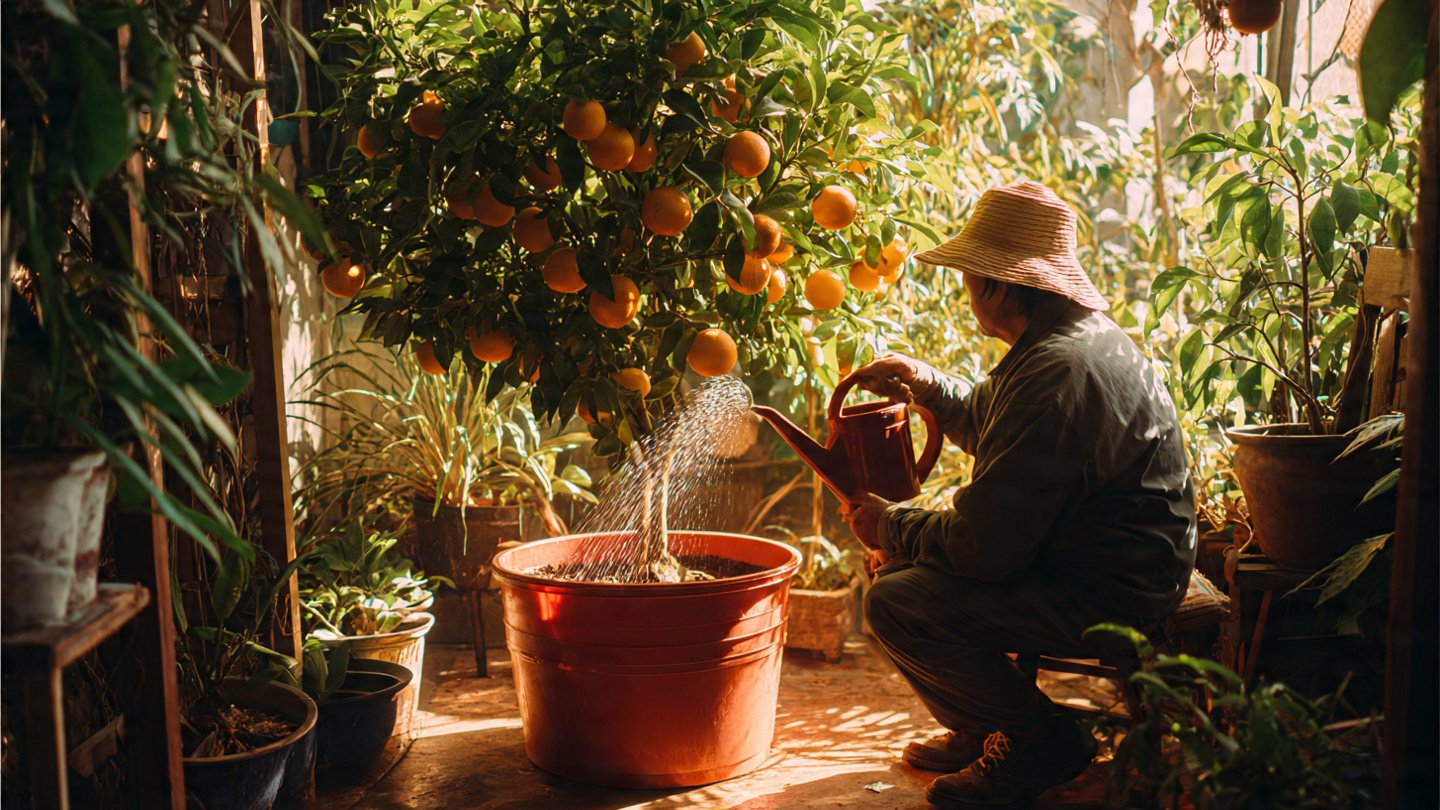
Growing an orange tree in a container is a rewarding endeavor that allows you to enjoy the beauty of this citrus tree and the sweet, tangy fruit it produces—all while managing limited outdoor space. Whether you’re an experienced gardener or a beginner, this guide will help you understand everything you need to know about successfully cultivating an orange tree in a container.
Choosing the Right Orange Tree Variety
The first step in your journey is selecting the right variety of orange tree. Here are a few popular options for container growth:
Latest Posts
- With Just 1 Bottle of Water How I Was Shocked by What Happened When Growing Vegetables
- Maximize Your Home Garden with the Hanging Pea Sprout Growing Model – Space-Saving, High-Yield, and Easy-to-Manage Vertical Gardening Solution
- Just Water – The Secret to Growing Plump, White Peanut Sprouts Right at Home: A Step-by-Step Guide for Beginners
- Growing Zucchini at Home in a Container: How to Cultivate Large, Long Fruits with a 1-to-72 Day Step-by-Step Diary for Maximum Yield
- Grow Long Beans on the Terrace in Used Recycling Baskets: The Ultimate Guide to Easy, Space-Saving, and High-Yield Terrace Gardening
- How to Grow Tons of Long Beans Easily Without a Garden – A Complete Guide to Growing Healthy Yardlong Beans Without Fertilizers or Pesticides
- Easy Long Bean Growing Trick – No Garden, No Fertilizer, No Pesticide
- Grow Bitter Melon in Bottles — Harvest So Big You Can’t Eat It All! The Ultimate Guide to Bottle Gardening for Maximum Yields
- Growing Garlic Made Easy: No Soil, Fast Results – The Ultimate Guide to Growing Fresh Garlic Indoors Without Traditional Soil
- Wall-Mounted Hydroponic Watermelon System: Grow Large, Juicy, and Delicious Watermelons at Home with Minimal Space and Maximum Yield
-
Calamondin Orange: This small fruit produces tart oranges, ideal for culinary uses. It’s also quite ornamental, making it perfect for home gardens.
-
Kumquat: Though not a traditional orange, kumquats are small citrus fruits that can be enjoyed fresh or candied.
-
Navel Orange: Known for its sweet taste and easy peeling, the navel orange is a popular choice for novices. However, it requires a larger container.
-
Valencia Orange: Best for juicing, this variety bears fruit in summer and fall, adding more variety to your garden.
-
Blood Orange: With its unique flavor and color, blood oranges are both stunning and delicious.
When selecting a tree, consider your climate zone. Most orange trees thrive in USDA zones 9-11, but some dwarf varieties can adapt to cooler climates.
Selecting the Right Container
When growing an orange tree in a container, the right pot is crucial. Here are some key factors to consider:
Size
Start with a container that is at least 12-14 inches in diameter and 12-14 inches deep for young trees. As the tree grows, you may need to transfer it to a larger pot.
Material
Choose a pot made from breathable materials such as clay or ceramic. Plastic pots can retain moisture, leading to root rot. Ensure that the container has drainage holes to prevent water accumulation.
Weight
Be mindful of the weight of the container, especially if you plan to move it outdoors during favorable weather. Lighter materials like resin or plastic are easier to manage compared to heavy clay pots.
Soil Requirements
The best soil for orange trees is well-draining soil that retains moisture without becoming soggy. You can create your own mix using the following ingredients:
- 1 part peat moss: Retains moisture and provides nutrients.
- 1 part perlite: Ensures good drainage.
- 1 part compost: Enriches the soil with nutrients.
Alternatively, you can purchase commercial potting soil designed for citrus trees, which often contains the right blend of nutrients and additives for optimal growth.
Planting Your Orange Tree
Once you have your tree, container, and soil, it’s time to plant. Follow these steps:
-
Prepare the Container: Add a layer of gravel or small stones at the bottom of the container to improve drainage.
-
Fill the Container: Add your soil mix to the container, leaving some space at the top for watering.
-
Remove the Tree from its Nursery Pot: Gently remove the tree, being careful not to damage the roots. If the roots are tightly bound, loosen them a bit.
-
Plant the Tree: Place the tree in the container, ensuring that the soil line on the trunk is level with the surrounding soil. Fill in around the tree with more soil mix, pressing down gently to remove air pockets.
-
Water Thoroughly: After planting, give the tree a good soaking until water drains out of the bottom.

Watering Your Orange Tree
Proper watering is crucial for the health of your orange tree. In a container, moisture levels can fluctuate rapidly. Here are some guidelines:
-
Frequency: Water when the top inch of soil feels dry. Generally, this may mean watering every 3-5 days during hot weather and less frequently in cooler months.
-
Method: Water deeply to encourage root growth. Avoid getting water on the leaves to prevent fungal infections.
-
Signs of Under or Over-Watering: Yellowing leaves may indicate over-watering, while brown leaf tips can signal underwatering.
Fertilizing Your Orange Tree
Fertilization plays a vital role in the health and productivity of your orange tree. Container-grown trees often exhaust soil nutrients quicker than those planted in the ground.
When to Fertilize
- Growing Season: Fertilize your orange tree during the growing season (spring and summer).
- Frequency: Depending on the fertilizer used, you may need to fertilize every 4-6 weeks. Always follow the manufacturer’s instructions.

Types of Fertilizers
- Citrus-Specific Fertilizer: These fertilizers contain essential nutrients like nitrogen, phosphorus, potassium, and magnesium.
- Organic Options: Compost or well-rotted manure can provide a slow-release of nutrients.
Pruning and Training
Regular pruning encourages healthy growth, maintains shape, and enhances fruit production:
When to Prune
- Early spring before new growth begins is often the best time to prune.
How to Prune
- Remove dead or unhealthy branches.
- Thin out overcrowded areas to improve air circulation.
- Shape the tree to a manageable height and encourage a pleasing form.
Pest and Disease Management
Container orange trees can be susceptible to various pests and diseases. Regular inspection is essential. Common pests include:
- Aphids: Look for sticky honeydew or distorted leaves.
- Scale Insects: These can cause leaves to yellow and drop.
- Spider Mites: Fine webbing on leaves may indicate an infestation.
Management Tips
- Neem Oil: This natural pesticide can control most pests.
- Insecticidal Soap: An effective treatment for soft-bodied insects.
- Maintain Plant Health: A healthy tree is less prone to diseases.
Sunlight Requirements
Orange trees thrive in full sun, requiring at least 6-8 hours of sunlight daily. Position your container in a south-facing area with plenty of light. During colder months, consider moving the tree inside or to a greenhouse to protect it from frost.
Dealing with Temperature and Humidity
Orange trees prefer warm temperatures (generally between 70°F and 85°F). If possible, keep your tree in a sheltered area during extreme heat or frost.
Humidity
Orange trees appreciate higher humidity levels. You can create a humid environment by misting the leaves or placing a tray of water near the tree.
Harvesting Your Oranges
Patience is key when growing orange trees, as it may take 3-5 years before your tree produces fruit. Here’s how to tell when they are ripe:
- Color: Ripe oranges typically have a bright, vibrant color.
- Feel: They should feel firm but slightly soft to the touch.
- Ease of Harvest: Oranges should come off the tree with a gentle twist.
FAQs
1. How often should I water my orange tree in a container?
Water when the top inch of soil feels dry, which is usually every 3-5 days during hot weather and less frequently in cooler months.
2. What size pot do I need for my orange tree?
For young trees, choose a pot that is at least 12-14 inches in diameter and depth. As the tree grows, you may need a larger pot.
3. Can I grow an orange tree indoors?
Yes! Just make sure it receives enough sunlight (at least 6-8 hours daily) and maintain optimal temperatures and humidity levels.
4. How can I tell if my orange tree has pests?
Look for signs like yellowing leaves, sticky residues, or fine webbing. Regular inspections will help catch infestations early.
5. How long does it take for an orange tree to bear fruit?
Most orange trees take 3-5 years to start producing fruit, depending on the variety and growing conditions.
Conclusion
Growing an orange tree in a container can be a delightful and fruitful experience. By following this comprehensive guide, you can enjoy the beauty and bounty of citrus fruit, even in limited space. With the right care and attention, your orange tree will thrive and reward you with sweet, juicy oranges for years to come!