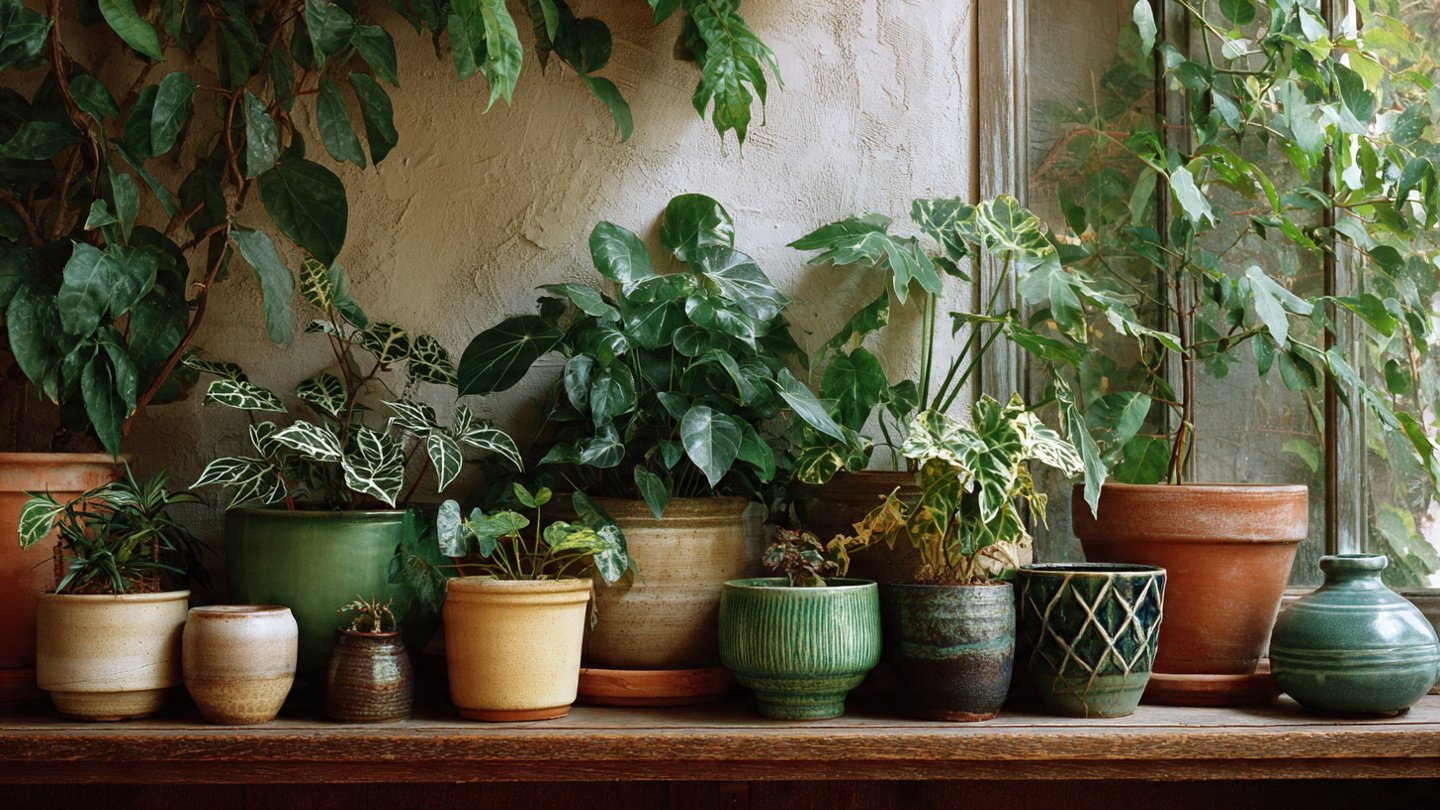
Growing houseplants can be a rewarding hobby that enriches your living space, improves air quality, and boosts mental health. Whether you’re a busy professional, a student, or a family with children, this guide will provide you with all the tips and tricks to successfully cultivate houseplants in any environment.
Choosing the Right Houseplants
1. Consider Your Space
Latest Posts
- With Just 1 Bottle of Water How I Was Shocked by What Happened When Growing Vegetables
- Maximize Your Home Garden with the Hanging Pea Sprout Growing Model – Space-Saving, High-Yield, and Easy-to-Manage Vertical Gardening Solution
- Just Water – The Secret to Growing Plump, White Peanut Sprouts Right at Home: A Step-by-Step Guide for Beginners
- Growing Zucchini at Home in a Container: How to Cultivate Large, Long Fruits with a 1-to-72 Day Step-by-Step Diary for Maximum Yield
- Grow Long Beans on the Terrace in Used Recycling Baskets: The Ultimate Guide to Easy, Space-Saving, and High-Yield Terrace Gardening
- How to Grow Tons of Long Beans Easily Without a Garden – A Complete Guide to Growing Healthy Yardlong Beans Without Fertilizers or Pesticides
- Easy Long Bean Growing Trick – No Garden, No Fertilizer, No Pesticide
- Grow Bitter Melon in Bottles — Harvest So Big You Can’t Eat It All! The Ultimate Guide to Bottle Gardening for Maximum Yields
- Growing Garlic Made Easy: No Soil, Fast Results – The Ultimate Guide to Growing Fresh Garlic Indoors Without Traditional Soil
- Wall-Mounted Hydroponic Watermelon System: Grow Large, Juicy, and Delicious Watermelons at Home with Minimal Space and Maximum Yield
Before selecting plants, evaluate your living environment. Consider factors like:
- Light Conditions: Is your space bright, moderate, or low light?
- Humidity Levels: Is it dry, normal, or humid?
- Temperature: Do temperatures fluctuate or remain relatively stable?
Analyzing these aspects will help you choose plants that will thrive in your setting.
2. Select Low-Maintenance Plants
For beginners, it’s wise to start with low-maintenance houseplants. Here are some great options:
- Snake Plant (Sansevieria): Tolerates neglect and low light; requires minimal watering.
- Pothos (Epipremnum aureum): Grows in various lighting conditions and can thrive in water or soil.
- Spider Plant (Chlorophytum comosum): Hardy and adaptable; excellent for hanging baskets.
- ZZ Plant (Zamioculcas zamiifolia): Very low light tolerance and drought-resistant.
These houseplants are forgiving and can provide you with confidence as you learn.

Basic Plant Care
1. Watering
Correct watering is vital. Here are some tips:
- Frequency: The frequency depends on the plant type and environment. Generally, it’s better to underwater than overwater.
- Signs of Overwatering: Yellowing leaves and root rot.
- Signs of Underwatering: Wilted leaves and dry soil.
2. Soil
Choosing the right soil is crucial:
- Potting Mix: Use a high-quality potting mix tailored for houseplants, as it offers the right drainage and aeration.
- Amendments: You can add perlite for improved drainage or peat moss for moisture retention.
3. Fertilizing
Houseplants benefit from periodic feeding during the growing season (spring and summer):
- Type: A balanced liquid fertilizer will suffice.
- Frequency: Every 4-6 weeks during growing seasons; reduce or skip during dormancy (fall and winter).
4. Pest Control
Be vigilant about pests:
- Common Pests: Spider mites, aphids, and mealybugs.
- Prevention: Regularly inspect your plants and maintain good hygiene.
- Treatment Methods: Hand-picking, soapy water sprays, or specific insecticides for severe infestations.
Environmental Factors
1. Light
Light conditions dictate plant health:
- Direct Sunlight: Ideal for succulents and cacti.
- Indirect Bright Light: Great for pothos and peace lilies.
- Low Light: Suitable for snake plants and ZZ plants.
2. Humidity
Consider the humidity levels in your home:
- Low Humidity: Use a humidifier or place a tray with water and pebbles near the plants.
- High Humidity: Many tropical plants, such as ferns and philodendrons, enjoy this environment.
3. Temperature
Most houseplants thrive in a range of 65°F to 75°F (18°C to 24°C):
- Avoid Drafts: Keep plants away from cold drafts or heat sources.
- Temperature Shock: Sudden changes can stress plants, so maintain consistent conditions.

Planting and Repotting
1. Choosing Containers
Select containers that provide adequate drainage:
- Drainage Holes: Essential for preventing root rot.
- Material: Terracotta pottery allows moisture to evaporate, while plastic retains it.
2. Repotting Tips
Repotting every 1-2 years is vital as plants grow:
- Signs It’s Time: Roots appear out of the drainage holes, and the plant becomes root-bound.
- Method: Carefully remove the plant, refresh the old soil, and choose a pot 1-2 inches larger in diameter.
Propagation Techniques
Propagation allows you to clone and expand your indoor garden:
1. Stem Cuttings
Many houseplants can be propagated through stem cuttings:
- Procedure: Cut a healthy stem just below a node, place it in water or moist soil, and allow it to root.
- Examples: Pothos, spider plants, and philodendrons.
2. Division
Some plants can be divided into smaller sections:
- Method: Carefully separate the root ball into sections, ensuring each section has roots and foliage.
- Suitable Plants: Peace lilies and snake plants.
Companionship and Aesthetics
1. Create a Plant Display
Use your houseplants to enhance your décor:
- Grouping: Combine different plant types, heights, and pots for visual interest.
- Shelves and Stands: Utilize vertical space with shelves and plant stands.
2. Interacting with Your Plants
Engage with your plants for better growth:
- Routine Checks: Monitor their health and conditions regularly.
- Caring Touch: Wipe leaves to remove dust and help the plant absorb light.
FAQs
1. How often should I water my houseplants?
Watering frequency varies by plant type, environment, and season. A general rule is to check the top inch of soil; if it’s dry, it’s time to water.
2. What light do houseplants need?
Different plants require varying amounts of light. Check the specific needs of your plant; generally, bright, indirect light is best for most houseplants.
3. How can I tell if my plant needs more light?
Signs include leggy growth (stretched stems), smaller leaves than usual, and leaning toward a light source.
4. What type of fertilizer should I use for houseplants?
A balanced all-purpose liquid fertilizer is suitable for most houseplants. Use according to the instructions, typically every 4-6 weeks during the growing season.
5. How can I control pests on my houseplants?
Inspect your plants regularly and clean leaves of dust. For mild infestations, you can wash plants with soapy water. For serious issues, consider insecticidal soap or other specific treatments.
6. Can I grow houseplants in low light?
Yes, some plants thrive in low-light conditions! Snake plants, pothos, and ZZ plants are excellent choices for spaces with limited natural light.
Conclusion
With a little practice, anyone can become a successful houseplant parent. Start small, learn from your experience, and watch as your living space becomes a flourishing oasis. Growing houseplants is not only a way to beautify your surroundings but also a fantastic journey of discovery and personal growth.
Happy planting!