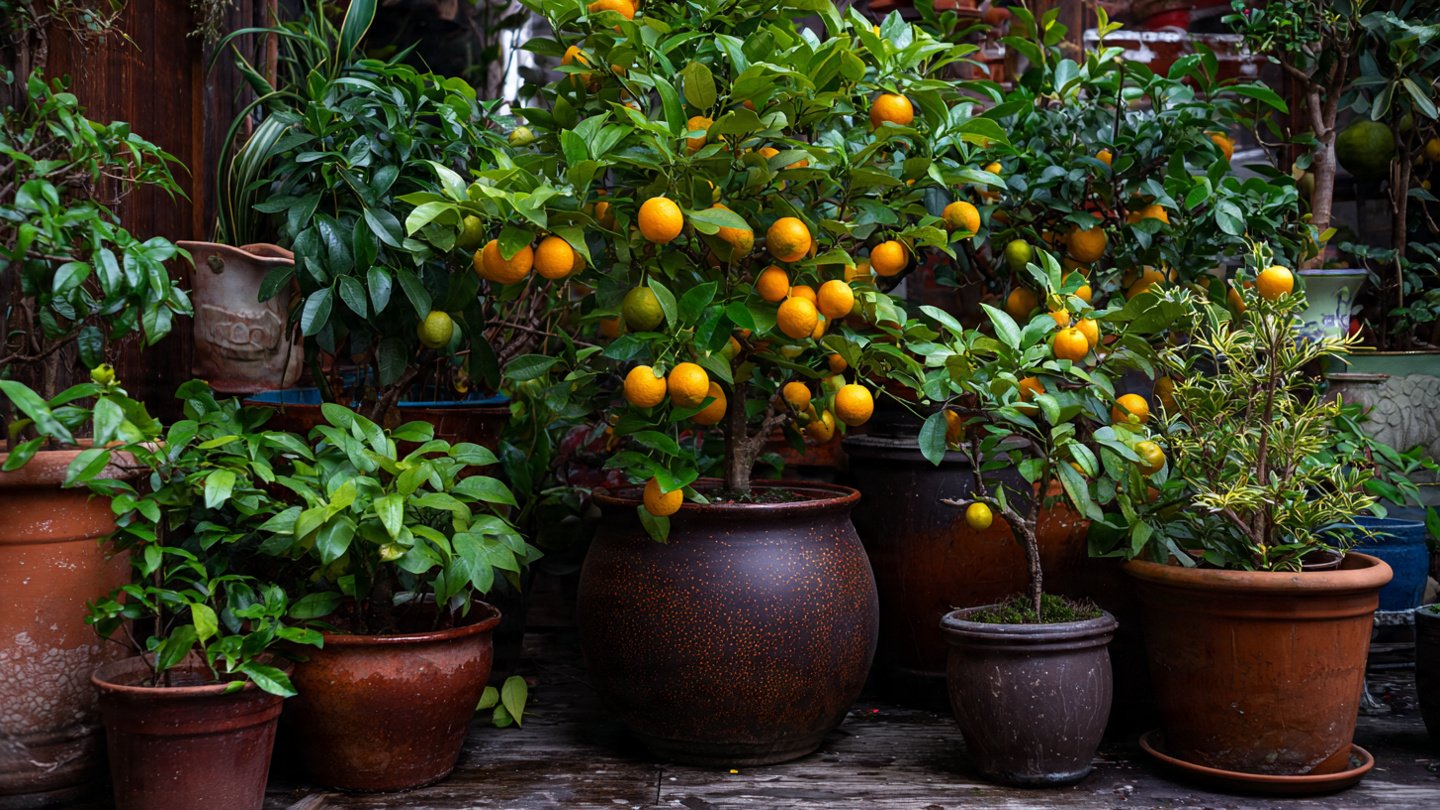
As urban living becomes increasingly popular, garden enthusiasts are discovering the joys and challenges of cultivating plants in small spaces. Growing fruit trees in containers is an excellent solution for those with limited outdoor areas, whether it’s a tiny balcony, patio, or even a rooftop garden. This guide will help you understand how to successfully grow fruit trees in containers, covering everything from selecting the right tree to maintaining it for healthy growth and productivity.
Choosing the Right Fruit Tree
1. Select Dwarf Varieties
Latest Posts
- With Just 1 Bottle of Water How I Was Shocked by What Happened When Growing Vegetables
- Maximize Your Home Garden with the Hanging Pea Sprout Growing Model – Space-Saving, High-Yield, and Easy-to-Manage Vertical Gardening Solution
- Just Water – The Secret to Growing Plump, White Peanut Sprouts Right at Home: A Step-by-Step Guide for Beginners
- Growing Zucchini at Home in a Container: How to Cultivate Large, Long Fruits with a 1-to-72 Day Step-by-Step Diary for Maximum Yield
- Grow Long Beans on the Terrace in Used Recycling Baskets: The Ultimate Guide to Easy, Space-Saving, and High-Yield Terrace Gardening
- How to Grow Tons of Long Beans Easily Without a Garden – A Complete Guide to Growing Healthy Yardlong Beans Without Fertilizers or Pesticides
- Easy Long Bean Growing Trick – No Garden, No Fertilizer, No Pesticide
- Grow Bitter Melon in Bottles — Harvest So Big You Can’t Eat It All! The Ultimate Guide to Bottle Gardening for Maximum Yields
- Growing Garlic Made Easy: No Soil, Fast Results – The Ultimate Guide to Growing Fresh Garlic Indoors Without Traditional Soil
- Wall-Mounted Hydroponic Watermelon System: Grow Large, Juicy, and Delicious Watermelons at Home with Minimal Space and Maximum Yield
When space is at a premium, opt for dwarf or semi-dwarf varieties of fruit trees. These trees are bred to stay smaller than their standard counterparts, making them ideal for container growing. Examples include:
- Dwarf Apple Trees: Varieties such as ‘Honeycrisp’ and ‘Fuji’ are highly popular.
- Dwarf Citrus Trees: Varieties like ‘Improved Meyer Lemon’ and ‘Calamondin’ can thrive in containers.
- Dwarf Peach and Cherry Trees: Look for varieties like ‘Bonanza’ or ‘Garden Gold’.
2. Consider Pollination Needs
Some fruit trees require cross-pollination to bear fruit, while others are self-pollinating. If you have limited space, self-pollinating varieties are more convenient because they don’t require additional trees nearby. For instance, ‘Meyer Lemon’ can produce fruit on its own, whereas many apple trees perform better with a second tree for cross-pollination.
3. Check Hardiness Zones
It’s essential to consider your local climate before purchasing your fruit trees. The USDA Plant Hardiness Zone Map can help you determine which varieties are suitable for your area. Pay attention to factors like winter hardiness and heat tolerance.
Container Selection
1. Size Matters
The size of the container is crucial for the health of your fruit tree. Dwarf trees can usually thrive in containers ranging from 5 to 15 gallons. The larger the container, the more soil there is to retain moisture and nutrients, allowing for better root development.
2. Material Choices
Containers come in various materials, each having its advantages:
- Plastic: Lightweight and often less expensive; they retain moisture well but may break down under UV light.
- Ceramic: Aesthetic and heavy, but can be expensive and prone to cracking.
- Wood: Natural and often affordable, but they may require lining to prevent rot.
- Metal: Durable and modern, but can heat up quickly, potentially damaging roots.
3. Drainage Holes
Ensure your chosen container has adequate drainage holes to prevent root rot. You might need to drill additional holes if they are not present.
Potting Mix
1. Quality Mix
Use a high-quality potting mix that is specifically formulated for container gardening. These mixes often include components like peat moss, perlite, and compost, which facilitate good drainage and aeration.
2. Customizing the Mix
For better results, you might consider adding extra components to your potting mix:
- Organic fertilizers: These can help ensure that your tree has enough nutrients.
- Water-retaining crystals: These can be beneficial in retaining moisture, especially in hot climates.
Planting Your Fruit Tree
1. Time of Year
Timing is crucial when planting fruit trees. The best time for planting depends on your climate, but early spring is generally a good time. This gives the tree the entire growing season to establish its roots.
2. Planting Process
Follow these steps to plant your fruit tree in a container:
- Fill the Container: Add your potting mix until the container is about one-third full.
- Remove the Tree from Its Nursery Pot: Gently tap the sides of the pot to loosen the soil and roots.
- Place in Container: Set the tree in the center of the new pot, ensuring that the root ball sits level with the top of the container.
- Fill in Soil: Add more potting mix around the roots, firming it gently to eliminate air pockets.
- Water: After planting, thoroughly water your tree and let the water drain from the bottom.
Care and Maintenance
1. Watering
Regular watering is essential for container-grown fruit trees. The amount and frequency depend on factors like tree type, age, and environmental conditions.
- Check Soil Moisture: Stick your finger into the soil; if it feels dry an inch below the surface, it’s time to water.
- Water Thoroughly: Ensure that water reaches the entire root system.
2. Fertilization
Fertilizing your tree will promote healthy growth and fruit production. A slow-release fertilizer formulated for fruit trees is ideal. Follow the package instructions for frequency and amounts.
3. Pruning
Pruning is crucial for maintaining tree shape, encouraging air circulation, and promoting fruit production. Here are some guidelines:
- Remove Dead or Diseased Wood: This helps improve the overall health of the tree.
- Thin Out Branches: Aim for an open-center shape that allows sunlight and air to penetrate.
4. Pest and Disease Management
Pest issues are often heightened in containers due to enclosed environments. Regularly inspect your tree for signs of common pests like aphids and spider mites. If you find infestations:
- Use insecticidal soap or organic pesticides to manage them effectively.
- Keep your tree healthy, as healthy plants are much less susceptible to diseases.
5. Winter Care
If you live in a colder climate, consider bringing your containerized fruit tree indoors during the winter months or wrapping the container in burlap to protect its roots from freezing.
Harvesting Your Fruit
The joy of growing fruit trees in containers culminates when it’s time to harvest the fruits of your labor. Depending on the variety and growing conditions, you may begin to see fruit as early as the second year after planting.
1. Signs of Ripeness
Different fruits have different signs of ripeness. Familiarize yourself with the specific signals for each type:
- Apples: Firmness and color change (color depends on the variety).
- Citrus: The fruit should feel heavy and give slightly to gentle pressure.
- Peaches and Cherries: Yields to slight pressure and produces a strong fragrance.
2. Picking Techniques
Use sharp pruners to cut fruits cleanly from the branches. Avoid pulling or twisting fruits off, as this can damage the tree and affect future growth.
FAQs
Q1: Can I grow fruit trees in pots year-round?
Yes! Many dwarf fruit trees can thrive in pots year-round if you ensure they receive adequate light, water, and nutrients. In colder climates, you may need to bring your tree indoors during winter.
Q2: How often should I water my container fruit trees?
It depends on your climate and the specific tree, but a general guideline is to check the soil moisture regularly. Water thoroughly when the top inch of soil feels dry.
Q3: Do I need to pollinate my fruit trees?
It depends on the variety of tree. Some, like many apple trees, require cross-pollination for optimal fruit production. Others, such as dwarf citrus trees, are self-pollinating.
Q4: What is the best fertilizer for fruit trees in containers?
A slow-release organic fertilizer formulated for fruit trees is recommended. Always follow the application instructions on the package.
Q5: How do I know if my fruit tree is healthy?
Signs of a healthy fruit tree include vigorous growth, bright foliage, and an absence of pests or diseases. If you notice yellowing leaves, stunted growth, or any signs of infestations, investigate further.
Conclusion
Growing fruit trees in containers is a rewarding endeavor, allowing you to enjoy the fruits (literally!) of your labor without requiring extensive outdoor space. With careful selection, planting, and maintenance practices, you can cultivate a mini orchard that yields delicious, fresh fruits right outside your door. Happy gardening!