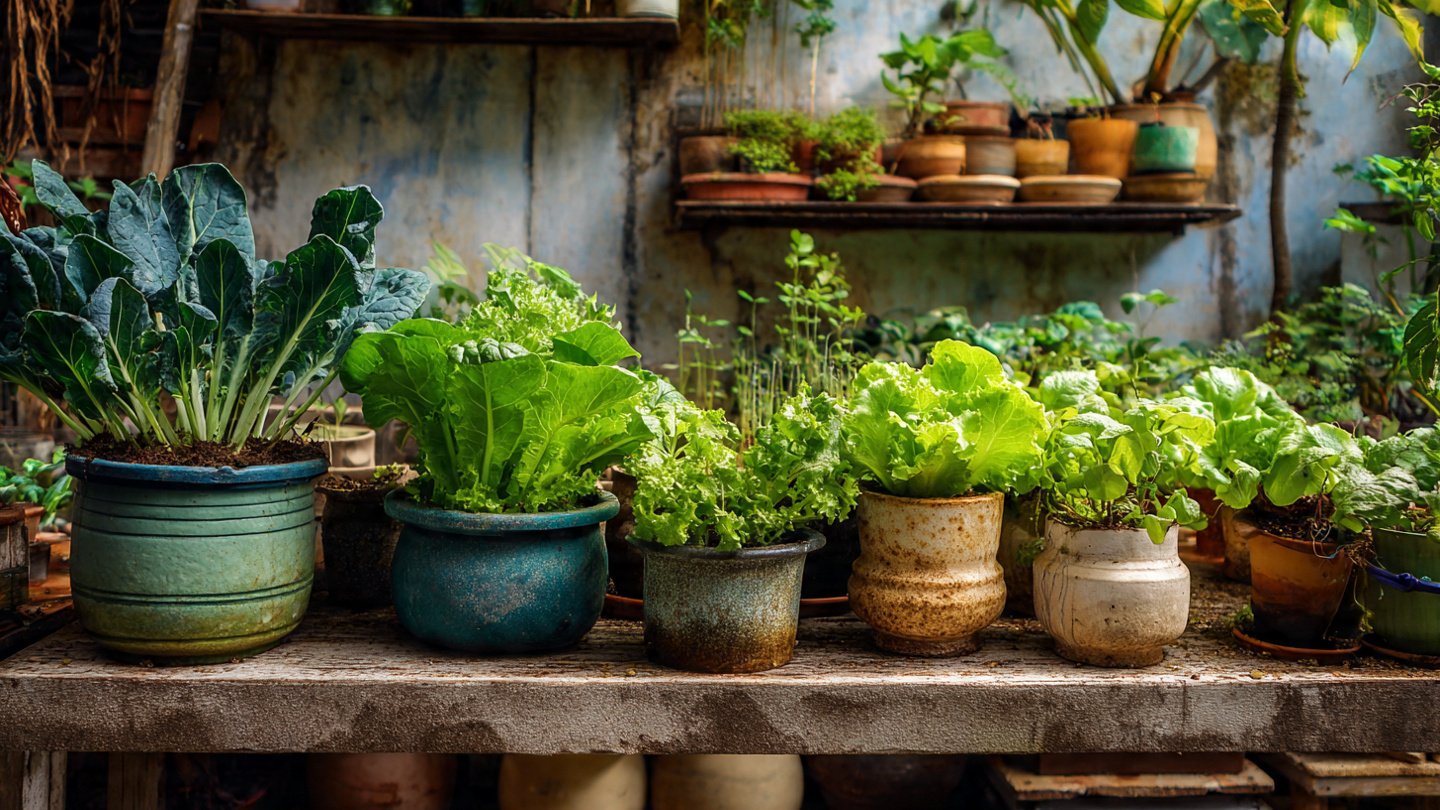
Growing fresh vegetables in containers is an excellent solution for anyone with limited outdoor space. Whether you have a tiny balcony, a small patio, or just a sunny windowsill, you can cultivate a garden that’s both productive and satisfying. This guide will take you through the ins and outs of container vegetable gardening, providing insights on everything from choosing the right containers to understanding soil and watering needs.
Why Choose Container Gardening?
Container gardening offers several advantages:
Latest Posts
- With Just 1 Bottle of Water How I Was Shocked by What Happened When Growing Vegetables
- Maximize Your Home Garden with the Hanging Pea Sprout Growing Model – Space-Saving, High-Yield, and Easy-to-Manage Vertical Gardening Solution
- Just Water – The Secret to Growing Plump, White Peanut Sprouts Right at Home: A Step-by-Step Guide for Beginners
- Growing Zucchini at Home in a Container: How to Cultivate Large, Long Fruits with a 1-to-72 Day Step-by-Step Diary for Maximum Yield
- Grow Long Beans on the Terrace in Used Recycling Baskets: The Ultimate Guide to Easy, Space-Saving, and High-Yield Terrace Gardening
- How to Grow Tons of Long Beans Easily Without a Garden – A Complete Guide to Growing Healthy Yardlong Beans Without Fertilizers or Pesticides
- Easy Long Bean Growing Trick – No Garden, No Fertilizer, No Pesticide
- Grow Bitter Melon in Bottles — Harvest So Big You Can’t Eat It All! The Ultimate Guide to Bottle Gardening for Maximum Yields
- Growing Garlic Made Easy: No Soil, Fast Results – The Ultimate Guide to Growing Fresh Garlic Indoors Without Traditional Soil
- Wall-Mounted Hydroponic Watermelon System: Grow Large, Juicy, and Delicious Watermelons at Home with Minimal Space and Maximum Yield
- Space-Saving: Perfect for urban dwellers or those with limited yard space.
- Flexibility: Easy to move plants around to catch the sun or protect them from harsh weather.
- Soil Control: You can create the ideal soil blend for your plants without worrying about native soil conditions.
- Fewer Weeds: Containers can help reduce weed growth, making maintenance easier.
- Pest Management: It’s easier to monitor and control pests in a contained environment.
Choosing the Right Containers
Size Matters
The size of the container significantly affects plant growth. Here are some general guidelines:
- Small Herbs: Use 6-8 inch pots.
- Greens (Lettuce, Spinach): 12-inch pots are sufficient.
- Root Vegetables (Carrots, Radishes): Choose containers 12 inches deep.
- Tomatoes or Peppers: Larger pots (at least 5 gallons) are ideal.
Material Choices
Containers come in various materials, each with its own pros and cons:

- Plastic: Lightweight, often less expensive, and available in many colors. Ensure they have drainage holes.
- Terracotta: Attractive and breathable. However, they can dry out quickly.
- Wood: Offers good insulation; make sure it’s untreated to avoid leaching chemicals.
- Metal: Durable but may get too hot in the sun, potentially harming roots.
Drainage is Key
Ensure your chosen containers have drainage holes at the bottom. Good drainage prevents water from accumulating, which can lead to root rot. If you’re using a container without drainage, consider adding a layer of gravel at the bottom or drilling holes.
Choosing the Right Soil
The Ideal Mix
Container vegetables thrive in a soilless mix, which typically consists of:
- Peat Moss or Coconut Coir: Holds moisture and provides aeration.
- Vermiculite or Perlite: Improves drainage and aeration.
- Compost: Provides essential nutrients.
You can purchase pre-made potting soil, but mixing your own can allow for better customization.
Fertilization
Container-grown vegetables require regular fertilization, as nutrients leach out with watering. Use a balanced, slow-release fertilizer at planting time, and supplement with liquid fertilizer every few weeks.
Selecting Vegetables for Container Growth
Certain vegetables thrive better in containers than others. Here’s a list:

Leafy Greens and Herbs
- Lettuce: Grows well in shallow containers and can be harvested continuously.
- Spinach: Offers multiple harvests and grows quickly.
- Basil, Parsley, Mint: Ideal for small pots; herbs can be grown indoors or out.
Root Vegetables
- Radishes: Fast-growing and perfect for shallow containers.
- Carrots: Choose shorter varieties for container growth.
- Potatoes: Use deep containers; you can add soil as they grow (known as hilling).
Fruiting Vegetables
- Tomatoes: Ideal for larger containers; consider determinate varieties for smaller spaces.
- Peppers: Compact varieties thrive in pots.
- Cucumbers: Use trellises with larger containers for optimal growth.
Sunlight Requirements
Most vegetables need at least 6 hours of direct sunlight each day. Before planting, assess your space to find the sunniest spots. If natural sunlight is limited, consider using grow lights for indoor gardens.
Watering Your Container Garden
Consistent Moisture
Container gardens require more frequent watering than traditional gardens. Keep the following tips in mind:
- Check Daily: In hot weather, you may need to water daily; pots dry out faster.
- Deep Watering: Ensure water reaches the roots. Water until it drains from the bottom.
- Mulching: Use organic mulch to retain moisture and suppress weeds.

Pest and Disease Management
Containers can still attract pests and diseases, but it’s easier to manage. Here’s how:
Monitoring
Regularly inspect your plants for pests like aphids, spider mites, and whiteflies. Also, check for signs of fungal diseases.
Organic Solutions
- Soap Sprays: Effective against soft-bodied pests.
- Neem Oil: Acts as a fungicide and insect repellent.
- Diatomaceous Earth: A natural powder that can deter crawling insects.
Crop Rotation
If using the same containers for multiple seasons, rotate your crops to help prevent soil-borne diseases.
Seasonal Considerations
Container gardening can extend your growing season:
Spring and Summer
- Start with cool-season crops early in the spring.
- Transition to warm-season crops as the risk of frost passes.
Fall and Winter

- Use cold frames or move containers indoors for winter crops.
- Choose hardier varieties like kale or Brussels sprouts that can withstand cooler temperatures.
Tricks for Maximizing Space
When growing in small areas, consider these space-saving techniques:
Vertical Gardening
Use trellises or vertical planters to maximize space. Climbing plants like cucumbers and peas thrive when trellised.
Intercropping
Plant fast-growing crops between slower-maturing ones to maximize yield. For example, grow radishes alongside carrots.
Succession Planting
As soon as you harvest a crop, replant the space with a new crop to keep your garden productive throughout the season.
Harvesting Your Vegetables
Harvesting at the right time ensures the best flavor and quality:
- Leafy Greens: Can be harvested continually by cutting leaves.
- Fruiting Vegetables: Harvest when fully colored and firm.
- Root Vegetables: Gently loosen the soil and pull them out once they’re mature.
FAQs
1. Can I grow vegetables indoors?

Absolutely! Many vegetables, especially herbs and leafy greens, thrive indoors with sufficient light. Use grow lights if natural sunlight is insufficient.
2. How often should I water my container vegetables?
Check your plants daily. Container gardens may require watering every day, especially in hot weather. Ensure the soil is moist but not soggy.
3. Do I need to repot plants as they grow?
For larger plants, yes. As they grow, you may need to move them to bigger containers to accommodate root growth.
4. What vegetables grow best together in containers?
Companion planting can optimize growth. For example, tomatoes, basil, and peppers grow well together, while carrots and onions can be planted in the same space.
5. How can I prevent pests from damaging my container garden?
Regular monitoring, using organic sprays, and introducing beneficial insects like ladybugs can help keep pests at bay.
6. Can I use garden soil in containers?
Avoid using garden soil, as it can compact in containers and may contain pests or diseases. Opt for a good quality potting mix instead.
7. What should I do with my containers in the winter?
If you plan to continue gardening, consider bringing them indoors or using frost cloths to protect them. For annuals, empty and clean the containers, then store them for the winter.
Growing your own vegetables in containers can be a fulfilling and productive hobby, even in small spaces. With the right planning and care, you can enjoy fresh, homegrown produce year-round. Whether you’re starting a small herb garden on a windowsill or growing tomatoes on a balcony, this guide equips you with the tools and knowledge you need for successful container gardening. Happy planting!