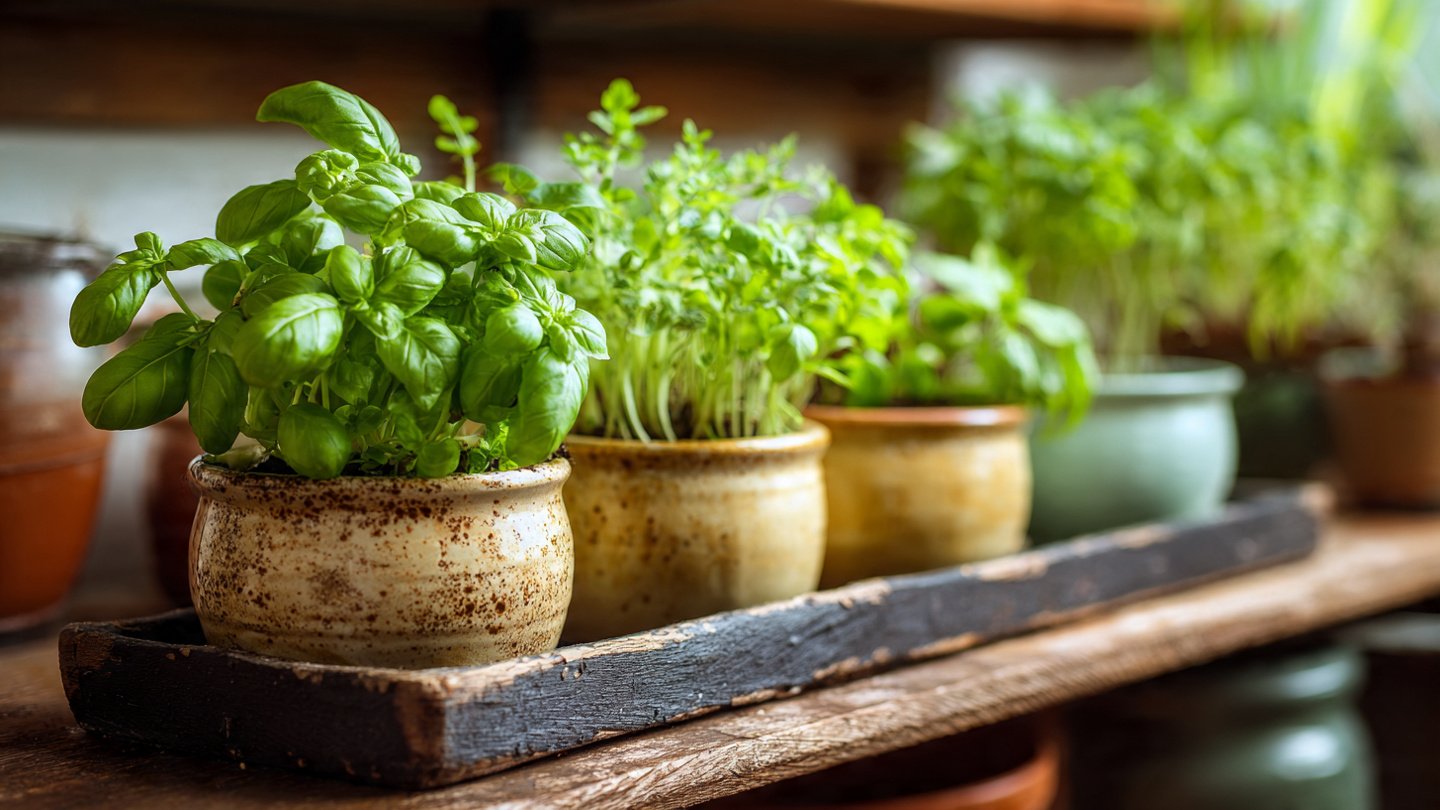
Growing fresh herbs in your kitchen is an enriching experience that not only enhances the flavor of your dishes but also brings a touch of nature indoors. Whether you have a spacious kitchen or a tiny apartment, cultivating herbs year-round is both feasible and enjoyable. In this ultimate guide, we’ll explore different types of herbs, the essentials of growing them, tips for maintaining them, and answer frequently asked questions to help you embark on your culinary gardening journey.
Choosing the Right Herbs
When selecting herbs for indoor gardening, consider your culinary preferences, climate, and available space. Here are some popular culinary herbs that are perfect for indoor growing:
Latest Posts
- With Just 1 Bottle of Water How I Was Shocked by What Happened When Growing Vegetables
- Maximize Your Home Garden with the Hanging Pea Sprout Growing Model – Space-Saving, High-Yield, and Easy-to-Manage Vertical Gardening Solution
- Just Water – The Secret to Growing Plump, White Peanut Sprouts Right at Home: A Step-by-Step Guide for Beginners
- Growing Zucchini at Home in a Container: How to Cultivate Large, Long Fruits with a 1-to-72 Day Step-by-Step Diary for Maximum Yield
- Grow Long Beans on the Terrace in Used Recycling Baskets: The Ultimate Guide to Easy, Space-Saving, and High-Yield Terrace Gardening
- How to Grow Tons of Long Beans Easily Without a Garden – A Complete Guide to Growing Healthy Yardlong Beans Without Fertilizers or Pesticides
- Easy Long Bean Growing Trick – No Garden, No Fertilizer, No Pesticide
- Grow Bitter Melon in Bottles — Harvest So Big You Can’t Eat It All! The Ultimate Guide to Bottle Gardening for Maximum Yields
- Growing Garlic Made Easy: No Soil, Fast Results – The Ultimate Guide to Growing Fresh Garlic Indoors Without Traditional Soil
- Wall-Mounted Hydroponic Watermelon System: Grow Large, Juicy, and Delicious Watermelons at Home with Minimal Space and Maximum Yield
-
Basil: A favorite for Italian cuisine, basil thrives in warm conditions and requires at least six hours of sunlight daily.
-
Parsley: Known for its versatility, parsley is easy to grow and can adapt to lower light conditions, making it a great option for beginners.
-
Cilantro: Often used in Mexican and Asian dishes, cilantro has a short lifespan (around three months) but is a refreshing herb to have on hand.
-
Chives: These hardy herbs have a mild onion flavor and can grow well in various lighting conditions.
-
Thyme: A low-maintenance herb that can thrive in average light conditions, thyme is excellent for seasoning meats and vegetables.
-
Mint: This fragrant herb can be invasive, so it’s best to grow it in its own pot. Mint prefers indirect sunlight and damp soil.
-
Oregano: A staple in Mediterranean cuisine, oregano is drought-resistant and can be grown with moderate light.
-
Rosemary: Known for its robust aroma, rosemary prefers bright light and well-drained soil.
Supplies You’ll Need
Starting your indoor herb garden requires some basic supplies:
-
Containers: Choose pots with drainage holes to prevent overwatering. Herbs can be planted in individual pots or mixed in a larger container, but make sure they are compatible in terms of water needs.
-
Soil: Use a high-quality potting mix designed for indoor plants. This will ensure proper drainage and nutrient availability.
-
Watering can or spray bottle: Keep your herbs hydrated without overwatering.
-
Fertilizer: An organic fertilizer or liquid plant food can help provide essential nutrients as your herbs grow.
-
Grow lights: If natural light is limited in your kitchen, consider investing in LED grow lights to supplement.
Planting Herbs
Starting from Seeds vs. Seedlings
You have two main options when it comes to starting your herb garden: seeds or seedlings.
-
Seeds: If you’re starting from seeds, fill your containers with potting mix, sprinkle seeds on top, and cover lightly with soil. Keep the soil moist and place the pots in a warm location until germination.
-
Seedlings: Buying established seedlings from your local garden center can save time and effort. Simply transplant them into your pots and ensure they are well-watered.
Planting Technique
-
Fill your chosen container with potting mix, leaving about an inch of space at the top.
-
For seeds, follow the instructions on the packet for planting depth and spacing.
-
For seedlings, create a hole in the soil, gently place the seedling roots in, and cover with soil.
-
Water generously until water drains from the bottom of the pot.
-
Label your herbs to keep track of different varieties.
Care and Maintenance
Light Requirements
Most herbs require at least six hours of sunlight daily. Place your pots on a windowsill that receives ample light. If natural light is insufficient, use grow lights positioned about 6-12 inches above the plants.
Watering
The water requirements of herbs vary based on the type, season, and indoor climate. Generally, soil should be kept moist but not soggy. A good rule of thumb is to water when the top inch of soil feels dry.
Pruning and Harvesting
Regular pruning promotes bushier growth. Snip off the top leaves and stems to encourage more growth and remove any bolting flowers (which indicate the plant is going to seed). Harvest herbs as needed, ensuring you leave enough foliage for the plant to regenerate.
Fertilization
Fertilize your herbs every 4-6 weeks using organic fertilizer. This helps them grow strong and healthy, especially during their active growing season in spring and summer.
Pest Control
While herbs are less susceptible to pests, it’s still important to monitor for aphids, spider mites, and whiteflies. For non-toxic remedies, consider:
- Neem oil: A natural pesticide.
- Insecticidal soap: Effective in ing killing soft-bodied insects.
- Companion planting: Planting strong-smelling herbs like mint alongside your herbs can deter pests.
Seasonal Considerations
Winter Care
During winter, your indoor herb garden may require a little more care. As sunlight decreases, herbs may become leggy or slow. Ensure they receive adequate light using grow lights.
Summer Care
In the warm summer months, be mindful of the higher evaporation rates. Herbs may need more frequent watering but be cautious of overwatering.
Creative Uses for Fresh Herbs
Having fresh herbs at your fingertips opens a world of culinary possibilities. Here are some ideas to inspire you:
-
Flavoring water: Add mint, basil, or rosemary to your water for a refreshing twist.
-
Herb-infused oils: Combine herbs with olive oil for cooking or drizzling over dishes.
-
Herb butter: Blend herbs with softened butter to create delicious spreads for bread or veggies.
-
Salads and garnishes: Fresh herbs can brighten any salad and elevate the presentation of your dishes.
Conclusion
Growing fresh herbs in your kitchen all year round is a rewarding endeavor that enhances your cooking, adds beauty to your home, and can even contribute to your well-being. With a little knowledge and care, your indoor herb garden can flourish and provide you with an endless supply of fresh flavors.
FAQ Section
1. What herbs are easiest to grow indoors?
- Basil, parsley, chives, and mint are among the easiest herbs to grow indoors.
2. How much light do herbs need?
- Most herbs require at least six hours of direct sunlight daily. If natural light is limited, consider using grow lights.
3. How often should I water my herbs?
- Water when the top inch of soil feels dry, but avoid overwatering.
4. Can I grow herbs in small containers?
- Yes! Herbs can thrive in small pots, making them perfect for kitchen windowsills or countertops.
5. Do indoor herbs need fertilizer?
- Yes, using an organic fertilizer every 4-6 weeks will help promote healthy growth.
6. How should I harvest herbs?
- Harvest by snipping the top leaves and stems regularly to encourage bushy growth and avoid flowering.
7. What do I do with herbs in winter?
- Provide ample light and adjust watering as needed. Use grow lights if sunlight is insufficient.
By choosing the right herbs, providing optimal care, and utilizing them creatively in your kitchen, you can enjoy fresh, flavorful herbs all year round. Happy gardening!