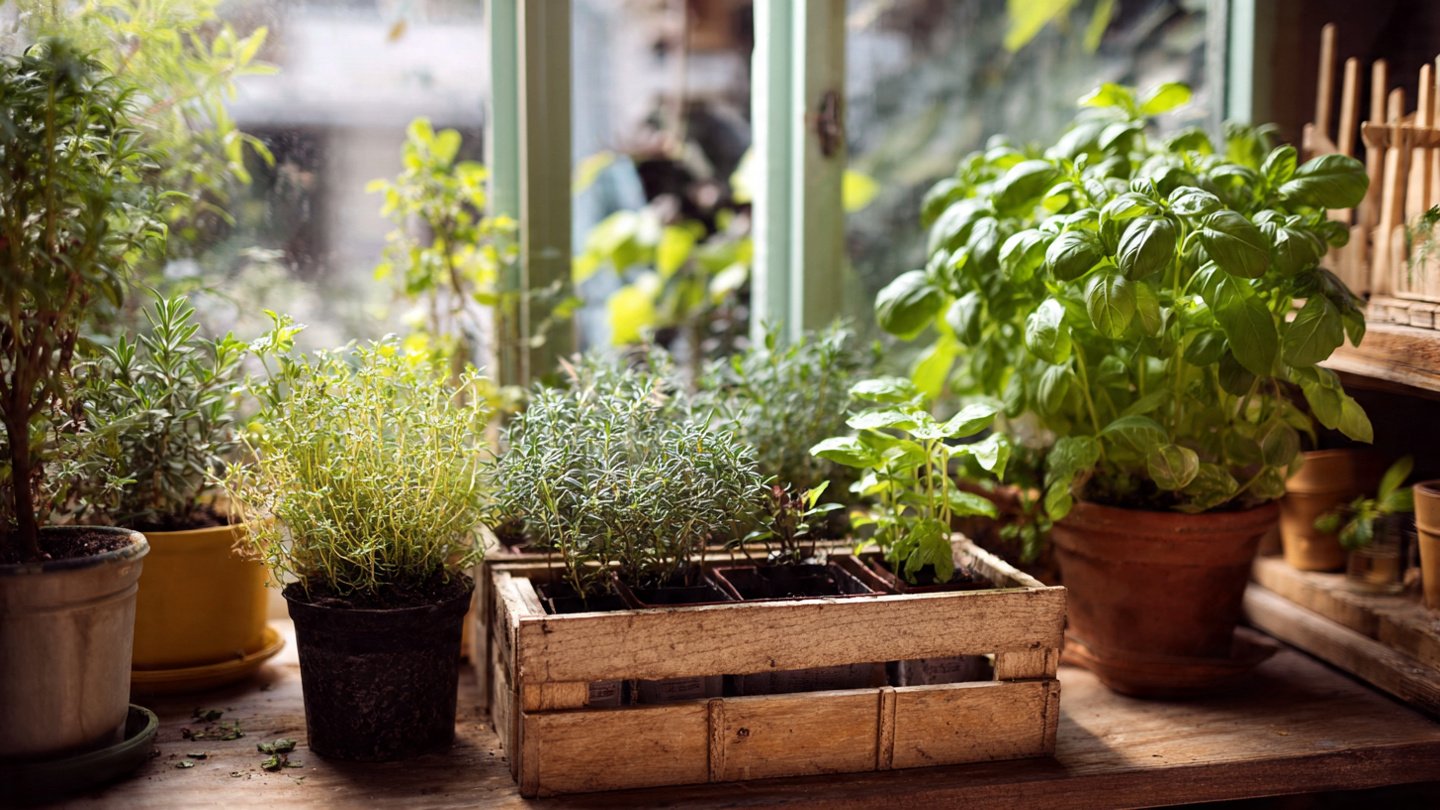
Growing indoor herbs is an excellent way to enhance your meals and improve your indoor air quality while bringing a touch of nature into your home, even in a small space. This guide will provide you with everything you need to know about selecting, growing, and caring for indoor herbs in limited areas like apartments, balconies, or small kitchens.
1. Benefits of Growing Indoor Herbs
1.1 Fresh Ingredients
Latest Posts
- With Just 1 Bottle of Water How I Was Shocked by What Happened When Growing Vegetables
- Maximize Your Home Garden with the Hanging Pea Sprout Growing Model – Space-Saving, High-Yield, and Easy-to-Manage Vertical Gardening Solution
- Just Water – The Secret to Growing Plump, White Peanut Sprouts Right at Home: A Step-by-Step Guide for Beginners
- Growing Zucchini at Home in a Container: How to Cultivate Large, Long Fruits with a 1-to-72 Day Step-by-Step Diary for Maximum Yield
- Grow Long Beans on the Terrace in Used Recycling Baskets: The Ultimate Guide to Easy, Space-Saving, and High-Yield Terrace Gardening
- How to Grow Tons of Long Beans Easily Without a Garden – A Complete Guide to Growing Healthy Yardlong Beans Without Fertilizers or Pesticides
- Easy Long Bean Growing Trick – No Garden, No Fertilizer, No Pesticide
- Grow Bitter Melon in Bottles — Harvest So Big You Can’t Eat It All! The Ultimate Guide to Bottle Gardening for Maximum Yields
- Growing Garlic Made Easy: No Soil, Fast Results – The Ultimate Guide to Growing Fresh Garlic Indoors Without Traditional Soil
- Wall-Mounted Hydroponic Watermelon System: Grow Large, Juicy, and Delicious Watermelons at Home with Minimal Space and Maximum Yield
Having fresh herbs at your fingertips elevates your cooking. Imagine the aroma of freshly picked basil or thyme wafting through your kitchen!
1.2 Air Purification
Indoor plants naturally filter air pollutants, making them an excellent choice for enhancing the environment of small living spaces.
1.3 Aesthetic Appeal
Herbs add greenery and life to any room. They can be artfully arranged to complement your home décor.
1.4 Cost-Effective
Growing your herbs can save money, as fresh herbs can be costly in grocery stores, especially when you buy them in small quantities.
1.5 Educational Opportunity
Growing herbs can be a fun learning experience, especially for children. They can learn about plant care, nutrition, and the importance of nature.
2. Choosing the Right Herbs for Indoor Growth
Not all herbs thrive indoors, so selecting the right varieties is crucial. Here are a few of the best herbs for small spaces:
2.1 Basil
Basil needs a good amount of sunlight and water. It’s perfect for windowsills and has a vibrant flavor that enhances many dishes.
2.2 Mint
Mint is hardy and grows well in containers. It’s versatile and can be used in both savory and sweet dishes.
2.3 Parsley
Parsley is easy to grow and requires moderate sunlight. It’s great for garnishing and adding flavor to your meals.
2.4 Chives
Chives are low-maintenance and can tolerate partial shade. They have a mild onion flavor that’s perfect for salads and soups.
2.5 Thyme
Thyme is drought-resistant and grows well in poorer soil conditions, making it ideal for indoor gardening.
2.6 Oregano
Oregano loves warmth and sunlight, making it a good option. It’s commonly used in Mediterranean cooking.
2.7 Cilantro
Cilantro requires more care but is a popular herb in many cuisines. Ensure it has enough space to grow during its short lifecycle.
3. Selecting Containers
Choosing the right containers is essential for the health of your herbs. Here are some factors to consider:
3.1 Size
Choose containers that are large enough to accommodate the root system of your herbs but not so large that they retain excessive water.
3.2 Material
Terracotta pots are popular but can dry out quickly, while plastic pots retain moisture better. Always ensure there’s good drainage in your pots.
3.3 Aesthetic
Since you’ll likely display your herbs indoors, pick containers that fit your home’s style, whether modern or rustic.
4. Soil Requirements
Using the right soil is key to healthy herb growth. Here’s what you need to know:
4.1 Drainage
Choose a high-quality potting mix that drains well to prevent root rot. Adding perlite or vermiculite can improve aeration and drainage.
4.2 Nutrients
You may want to use a slow-release fertilizer, which can provide essential nutrients for your herbs as they grow.
4.3 pH Balance
Most herbs prefer a slightly acidic to neutral pH of around 6.0 to 7.0. Test your soil and amend it if necessary.
5. Light Requirements
5.1 Sunlight

Most herbs require at least 6 hours of sunlight per day. A south-facing window is ideal.
5.2 Grow Lights
If natural light is limited, consider using grow lights. LED grow lights are energy-efficient and provide the necessary light spectrum for plant growth.
6. Watering Guidelines
6.1 Frequency
Watering needs can vary by herb, but as a general rule, herbs prefer to dry out slightly between waterings. Overwatering can lead to root rot.
6.2 Method
Water at the base of the plant—avoid wetting the leaves to reduce the risk of fungal diseases. Ensure excess water can drain out of the pot.
6.3 Signs of Over/Under Watering
Yellow leaves often indicate overwatering, while wilting or crispy edges signify underwatering.
7. Pruning and Harvesting
Regular pruning encourages healthy growth and prevents your herbs from becoming leggy.
7.1 When to Prune
Start pruning once the plant reaches a few inches tall. Always use clean, sharp scissors or snips.
7.2 How to Harvest
When harvesting, take the top leaves first, allowing lower leaves to continue growing. This promotes bushier growth.
8. Pest and Disease Management
8.1 Common Pests
Look for aphids, spider mites, and whiteflies. Regularly inspect your plants and consider using insecticidal soap or neem oil for treatment.
8.2 Diseases
Common issues include powdery mildew and root rot. Ensure proper airflow and drainage to minimize these risks.
9. Seasonal Care Tips
9.1 Temperature
Maintain indoor temperatures between 65-75°F (18-24°C). Avoid placing herbs near drafty windows or heating vents.
9.2 Humidity
Most herbs prefer higher humidity levels. Consider placing a small humidifier nearby or misting your plants occasionally.
10. Creative Space-Saving Ideas
10.1 Vertical Gardens
Utilize vertical space by using wall planters or hanging pots. This can significantly increase your capacity for growing herbs.
10.2 Tiered Stands
A tiered plant stand can allow you to maximize space while displaying your herbs attractively.
10.3 Windowsill Planters
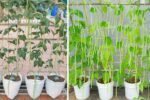
If you have a sunny windowsill, maximize that space with long, narrow planters to fit multiple herbs.
FAQs
1. Can I grow herbs indoors year-round?
Yes, many herbs can thrive indoors year-round with proper care, especially with adequate light and temperature control.
2. How often should I fertilize my herbs?
Fertilize your herbs every 4-6 weeks during the growing season (spring and summer). Reduce or cease fertilizing in the fall and winter.
3. What should I do if my herbs are not growing well?
Inspect for signs of pests or diseases, ensure proper light and water conditions, and check the soil for drainage issues.
4. How can I keep my herbs healthy when I’m away?
Consider using self-watering pots or asking a friend to water them. Group your plants together to maintain humidity while you’re gone.
5. Can I grow herbs from kitchen scraps?
Yes! Some herbs, like basil and green onions, can often be regrown from scraps. Place the cut ends in water until roots develop, then transfer them to soil.
Conclusion
Growing herbs indoors in small spaces is not only feasible but rewarding. With the right herbs, containers, and care techniques, you can enjoy fresh flavors in your cooking while beautifying your living space. Whether you’re a seasoned gardener or a beginner, indoor herbs are a great way to involve yourself with nature and enhance your culinary endeavors. Happy gardening!