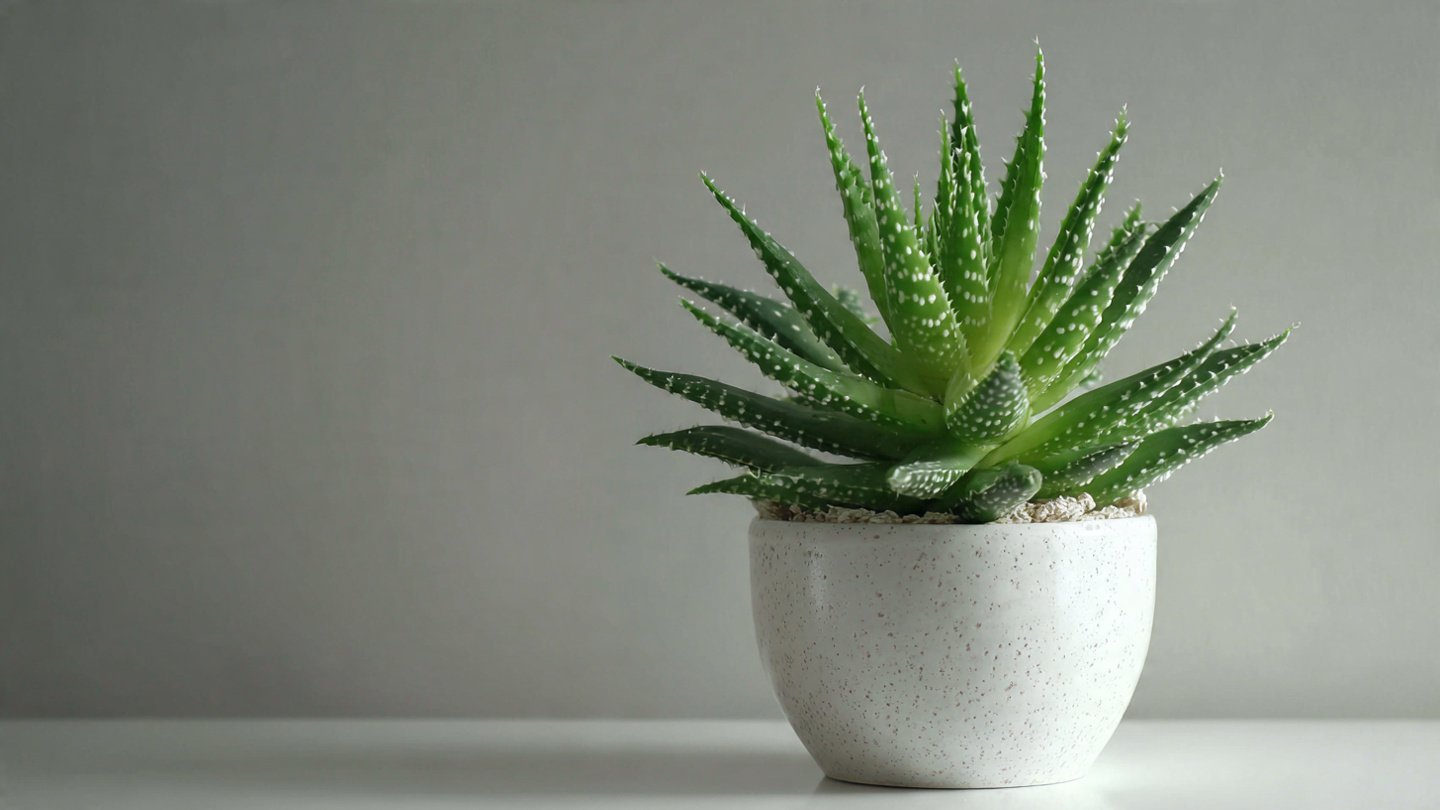
Aloe Vera, often referred to as the “miracle plant,” is not just a common houseplant; it’s a resilient succulent with numerous health benefits and uses. Known for its soothing properties and nutritional value, Aloe Vera has found its place in skincare, health supplements, and even culinary dishes. If you’re considering growing Aloe Vera at home, this guide will equip you with essential knowledge, techniques, and tips to cultivate this versatile plant successfully.
Why Grow Aloe Vera?
Aloe Vera is favored for a variety of reasons:
Latest Posts
- With Just 1 Bottle of Water How I Was Shocked by What Happened When Growing Vegetables
- Maximize Your Home Garden with the Hanging Pea Sprout Growing Model – Space-Saving, High-Yield, and Easy-to-Manage Vertical Gardening Solution
- Just Water – The Secret to Growing Plump, White Peanut Sprouts Right at Home: A Step-by-Step Guide for Beginners
- Growing Zucchini at Home in a Container: How to Cultivate Large, Long Fruits with a 1-to-72 Day Step-by-Step Diary for Maximum Yield
- Grow Long Beans on the Terrace in Used Recycling Baskets: The Ultimate Guide to Easy, Space-Saving, and High-Yield Terrace Gardening
- How to Grow Tons of Long Beans Easily Without a Garden – A Complete Guide to Growing Healthy Yardlong Beans Without Fertilizers or Pesticides
- Easy Long Bean Growing Trick – No Garden, No Fertilizer, No Pesticide
- Grow Bitter Melon in Bottles — Harvest So Big You Can’t Eat It All! The Ultimate Guide to Bottle Gardening for Maximum Yields
- Growing Garlic Made Easy: No Soil, Fast Results – The Ultimate Guide to Growing Fresh Garlic Indoors Without Traditional Soil
- Wall-Mounted Hydroponic Watermelon System: Grow Large, Juicy, and Delicious Watermelons at Home with Minimal Space and Maximum Yield
- Easy to Grow: Aloe Vera is a low-maintenance plant that thrives with minimal care.
- Health Benefits: The gel inside the leaves is renowned for its healing properties, treating burns, cuts, and even digestive issues.
- Air Purification: Aloe Vera has air-purifying qualities that can enhance indoor air quality.
- Aesthetic Appeal: Its unique appearance makes it an attractive indoor plant.
Selecting the Right Variety
While there are many species of Aloe, the most common one for home cultivation is Aloe Vera (Aloe barbadensis miller). This variety is prized not only for its gel but also for its compact growth, making it well-suited for home gardens.
Required Supplies
Before you start growing Aloe Vera, gather the following supplies:
- Potting Material: Use a well-draining potting mix, preferably a cactus or succulent mix.
- Container: Choose a pot with drainage holes to prevent root rot. Terra cotta pots are an excellent option due to their breathability.
- Tools: You’ll need basic gardening tools such as trowels and watering cans.
- Location: Identify a suitable location for your plant, with adequate sunlight.
Planting Aloe Vera
Step 1: Choose a Planting Time
Aloe Vera thrives best when planted in spring or early summer. This is the growing season, and the plant will establish itself quickly.
Step 2: Prepare the Container
- Ensure your pot has good drainage. Place a layer of small pebbles or gravel at the bottom of the pot before adding soil.
- Fill the pot with a well-draining potting mix, leaving a gap at the top for watering.
Step 3: Planting the Aloe Vera
- If you have a store-bought Aloe Vera plant, gently remove it from its container, being cautious not to damage the roots.
- Place the plant in the pot, ensuring that the base of the leaves is above the soil level.
- Fill in around the roots with soil and lightly press down to secure the plant in place.
- Water the plant lightly to help it settle, but avoid overwatering.
Care and Maintenance
Watering
Aloe Vera is a succulent, which means it stores water in its leaves. Overwatering can lead to root rot. Here are some watering tips:
- Frequency: Water your Aloe Vera every 2-3 weeks during the growing season (spring and summer), allowing the soil to dry out completely before the next watering.
- Winter Care: During fall and winter, reduce watering to once a month, as the plant enters a dormant phase.
Light Requirements
Aloe Vera loves sunshine.
- Indoor Growing: Place your plant near a south or west-facing window for optimal light.
- Outdoor Growing: If planting outside, provide partial shade during the hottest parts of the day to prevent leaf burn.
Temperature and Humidity
Aloe Vera prefers warm, dry climates.
- Ideal Temperature: Aim for temperatures between 60°F to 75°F (15°C to 24°C).
- Humidity: Aloe does best in low humidity. Avoid placing it in excessively humid environments, as this can lead to fungal diseases.
Fertilizing
Fertilizing your Aloe Vera can promote healthy growth.
- Use a diluted fertilizer formulated for succulents every four to six weeks during the growing season.
- Avoid fertilizing during the winter months when the plant is dormant.
Repotting
Aloe Vera grows quickly and may outgrow its pot.
- Signs It’s Time to Repot: If roots are growing out of the bottom or if the plant seems to be stunted.
- Repotting Process: Carefully remove the plant from its pot, trim any damaged roots, and transplant it into a slightly larger pot with fresh soil.
Propagation Techniques
One of the wonderful aspects of Aloe Vera is that it’s easy to propagate. Here’s how:
Offsets
Aloe Vera produces offsets (also known as pups), which can be removed:
- Gently pull the offset from the main plant, ensuring you get some roots.
- Allow the offset to dry for a day or two to form a callus before repotting it in a new container with well-draining soil.
Leaf Cuttings
Although not the most common method, you can propagate Aloe Vera from leaf cuttings:
- Cut a healthy leaf near the base.
- Allow the cut end to callus for a few days, then plant it in soil and water lightly.
Common Issues
Despite its hardiness, Aloe Vera can encounter some problems:
1. Root Rot
Symptoms: Wilting, yellowing leaves, mushy roots.
Solution: Ensure proper drainage and reduce watering frequency.
2. Leaf Browning
Symptoms: Tips of leaves turning brown.
Solution: This can be due to underwatering or too much sun exposure. Adjust your care routine accordingly.
3. Pest Infestation
Common Pests: Mealybugs or aphids.
Solution: Treat infestations with insecticidal soap or neem oil.
Harvesting Aloe Vera
Once your Aloe Vera plant is mature (usually after 3-4 years), you can start harvesting the gel:
- Cut a leaf close to the base.
- Allow it to drain for a few minutes to remove the yellow latex, which can be irritating.
- Slice the leaf open and scoop out the gel for use.
FAQs
1. How much sunlight does Aloe Vera need?
Aloe Vera prefers bright, indirect sunlight. Too much direct sunlight can scorch the leaves.
2. Can I grow Aloe Vera indoors?
Yes, Aloe Vera grows well indoors, as long as it receives sufficient sunlight.
3. How do I know when to water my Aloe Vera?
Check the soil’s moisture; water only when the top inch is dry. Less frequent watering is advisable during winter.
4. Is Aloe Vera toxic to pets?
Aloe Vera is generally toxic to pets, particularly cats and dogs. Keep it out of their reach.
5. How long does an Aloe Vera plant live?
With proper care, Aloe Vera can live for several years, often 5-25 years.
6. Can Aloe Vera survive in cold temperatures?
No, Aloe Vera is not frost-tolerant and should be protected from temperatures below 50°F (10°C).
7. What is the best type of soil for Aloe Vera?
A well-draining cactus or succulent potting mix is ideal for Aloe Vera.
8. How can I prevent pests on my Aloe Vera?
Regularly inspect your plants and maintain proper watering and care to minimize stress, which can attract pests.
Aloe Vera is not just a plant but a source of countless benefits. By following the guidelines in this comprehensive guide, you can successfully grow Aloe Vera at home, making it a valuable addition to your garden or indoor space. Happy planting!