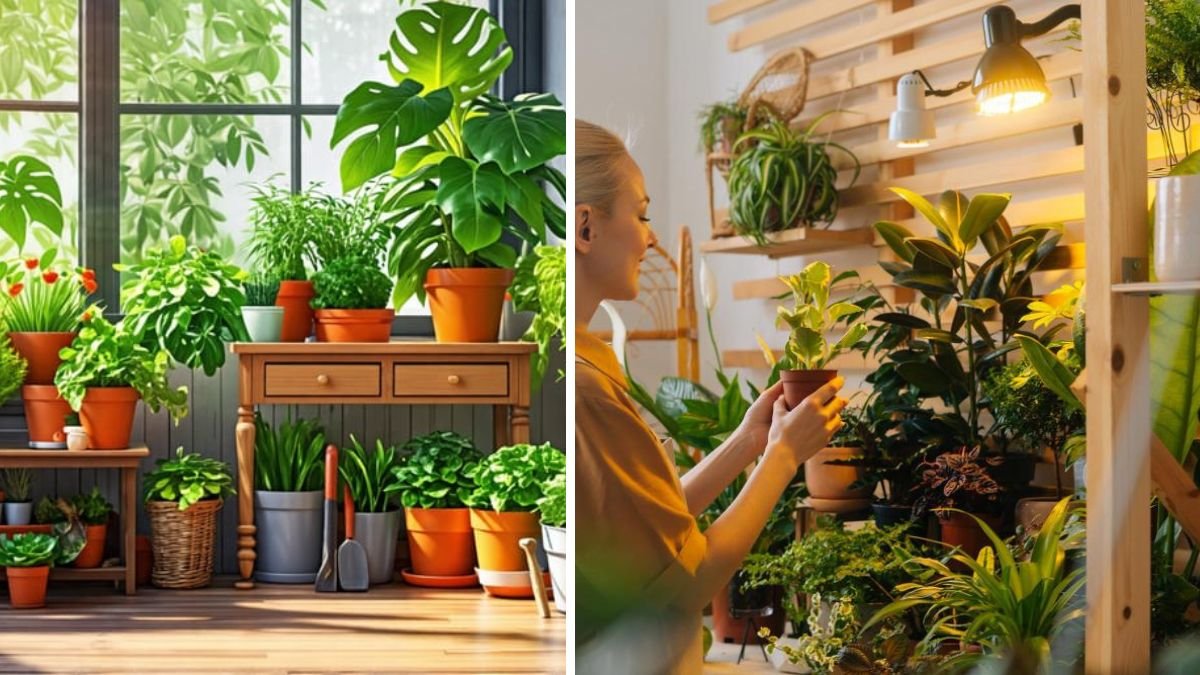
Creating an indoor garden space is a rewarding hobby that can bring nature into your home, improve air quality, and provide fresh herbs and vegetables throughout the year. Whether you have a small apartment or a spacious home, indoor gardening can be tailored to fit your space. This comprehensive guide will cover everything you need to know, from planning your indoor garden to caring for your plants and troubleshooting common issues.
Why Create an Indoor Garden?
Before we dive into the how-to of building your indoor garden space, let’s explore the benefits:
Latest Posts
- With Just 1 Bottle of Water How I Was Shocked by What Happened When Growing Vegetables
- Maximize Your Home Garden with the Hanging Pea Sprout Growing Model – Space-Saving, High-Yield, and Easy-to-Manage Vertical Gardening Solution
- Just Water – The Secret to Growing Plump, White Peanut Sprouts Right at Home: A Step-by-Step Guide for Beginners
- Growing Zucchini at Home in a Container: How to Cultivate Large, Long Fruits with a 1-to-72 Day Step-by-Step Diary for Maximum Yield
- Grow Long Beans on the Terrace in Used Recycling Baskets: The Ultimate Guide to Easy, Space-Saving, and High-Yield Terrace Gardening
- How to Grow Tons of Long Beans Easily Without a Garden – A Complete Guide to Growing Healthy Yardlong Beans Without Fertilizers or Pesticides
- Easy Long Bean Growing Trick – No Garden, No Fertilizer, No Pesticide
- Grow Bitter Melon in Bottles — Harvest So Big You Can’t Eat It All! The Ultimate Guide to Bottle Gardening for Maximum Yields
- Growing Garlic Made Easy: No Soil, Fast Results – The Ultimate Guide to Growing Fresh Garlic Indoors Without Traditional Soil
- Wall-Mounted Hydroponic Watermelon System: Grow Large, Juicy, and Delicious Watermelons at Home with Minimal Space and Maximum Yield
-
Air Quality Improvement: Indoor plants can filter toxins and purify the air, promoting a healthier living environment.
-
Aesthetic Appeal: Plants can enhance the visual appeal of any room, adding a splash of color and texture.
-
Stress Relief: Gardening has therapeutic effects; nurturing plants can reduce stress and anxiety.
-
Accessibility: Having an indoor garden means fresh herbs and vegetables are always within reach, perfect for culinary enthusiasts.
-
Year-Round Gardening: Unlike outdoor gardening, indoor gardening allows you to grow plants regardless of the season.
Planning Your Indoor Garden Space
1. Assessing Your Space
Size: Identify how much space you have available for your indoor garden. It could be a whole room, a corner of the kitchen, or even a windowsill.
Light: Assess the natural light available in your space. Most plants require plenty of light, so consider the direction of your windows. South-facing windows typically provide the most sunlight.
Temperature: Most indoor plants thrive in temperatures between 65°F to 75°F (18°C to 24°C). Measure your space to ensure it can accommodate your plants’ temperature needs.
2. Choosing a Suitable Location
- Windowsills: Ideal for herbs and smaller plants that require direct sunlight.
- Shelves and Racks: Multi-tiered shelving units can maximize vertical space, allowing you to grow various plants at different heights.
- Hydroponic Systems: For a modern twist, consider using hydroponic systems that require less space and soil.
3. Selecting the Right Containers
Containers are essential for indoor gardening. When choosing pots, consider:
- Material: Terracotta pots provide excellent drainage, whereas plastic pots are lightweight and versatile.
- Size: Ensure pots are appropriately sized for the plants you intend to grow; larger plants will require more substantial pots.
- Drainage: Always select pots with drainage holes to prevent overwatering.
Selecting Plants for Your Indoor Garden
1. Understanding Plant Options
Your choice of plants will depend on your gardening goals, sunlight availability, and personal preferences.
Herbs: Basil, parsley, and mint are popular choices that thrive indoors.
Vegetables: Smaller varieties of tomatoes, peppers, and lettuce are excellent for indoor gardening.
Houseplants: Spider plants, pothos, and snake plants are low-maintenance options that improve air quality.
2. Seasonal Considerations
Be mindful of seasonal changes in natural light and temperature. Some plants may thrive better in specific seasons. Choose plants that are adaptable to indoor environments and varying light conditions.
3. Researching Plant Care
Before selecting plants, research their care requirements, including:
- Watering needs
- Light preferences
- Soil type
- Fertilization routine
Setting Up Your Indoor Garden
1. Soil Selection
Choosing the right soil is crucial for plant health. Potting soil should be light, well-draining, and rich in nutrients. Consider adding perlite or vermiculite for increased aeration.
2. Fertilization
Regular feeding is essential for indoor plants since nutrients in potting soil can deplete quickly. Opt for a balanced, all-purpose fertilizer every few weeks, according to the specific requirements of your chosen plants.
3. Watering Practices
Overwatering is a common issue for indoor gardens. Follow these guidelines:
- Check the top inch of soil for moisture before watering.
- Water thoroughly, allowing excess to drain out.
- Adjust your watering frequency based on plant type, season, and humidity levels.

4. Lighting Solutions
If your indoor space lacks sufficient light, consider supplemental grow lights. LED grow lights are energy-efficient and effective for indoor gardening. Ensure to position them at the correct distance from the plants to prevent burning.
Maintaining Your Indoor Garden
1. Pruning and Trimming
Regular pruning encourages healthy growth and prevents overcrowding. Remove dead or yellowing leaves and spent flowers to enhance your plants’ appearance and vitality.
2. Pest Management
Indoor plants are not immune to pests. Common pests include aphids, spider mites, and fungus gnats. To manage pests:
- Regularly inspect your plants.
- Use insecticidal soap or neem oil if infestations occur.
- Keep your garden area clean to minimize pest attraction.
3. Air Circulation
Good air circulation helps prevent mold growth and diseases. Consider using a small fan to promote airflow, particularly in more humid conditions.
Troubleshooting Common Issues
1. Yellowing Leaves
This can indicate overwatering, poor drainage, or lack of nutrients. Assess your watering schedule and check soil health.
2. Dropping Leaves
Leaf drop can occur due to sudden changes in light or temperature. Ensure your plants are acclimated to their environment and avoid moving them frequently.
3. Stunted Growth
This could be due to inadequate light, soil quality, or lack of nutrients. Review the conditions and needs of your plants.
Creating a Favorable Environment
Consider the following tips to enhance your indoor garden:
- Group Plants: Grouping plants can create a microclimate with higher humidity levels.
- Decorate with Planters: Use decorative planters to match your home’s aesthetic.
- Incorporate Vertical Gardens: Vertical wall-mounted gardens are space-saving and visually striking.
FAQs
1. What are the best plants for beginners?
Beginners might want to start with low-maintenance plants such as pothos, snake plants, and spider plants, which can tolerate various indoor conditions.
2. How much light do indoor plants need?
Most indoor plants prefer bright, indirect sunlight for at least 6 hours a day. However, some plants can thrive in lower light conditions.
3. Can I grow vegetables indoors all year-round?
Yes, many vegetables can be grown indoors year-round, especially if you use grow lights to supplement natural light.
4. How do I know when to water my plants?
Check the top inch of soil; if it feels dry, it’s time to water. Some plants may require more or less frequent watering, depending on their type.
5. What should I do if my plant is infested with pests?
Isolate the affected plant to prevent spreading and treat it with an insecticidal soap or neem oil, following the manufacturer’s instructions.
6. Can I use regular garden soil in indoor pots?
It’s best to use a potting mix designed for container gardening, as regular garden soil can compact in containers, affecting drainage and root health.
7. How do I maintain humidity for my indoor garden?
Group plants together, use pebble trays filled with water, or mist the plants regularly to maintain adequate humidity levels.
8. What is the best temperature for indoor plants?
Most indoor plants thrive at temperatures between 65°F to 75°F (18°C to 24°C). Avoid extreme temperature fluctuations that can stress the plants.
Conclusion
Creating your own indoor garden space can be a fulfilling endeavor that enriches your living environment. By selecting the right plants, understanding their care requirements, and setting up an appropriate space, you can cultivate a thriving indoor oasis. Whether you’re growing fresh herbs for your kitchen or nurturing beautiful houseplants, the joy of indoor gardening is boundless. Happy gardening!