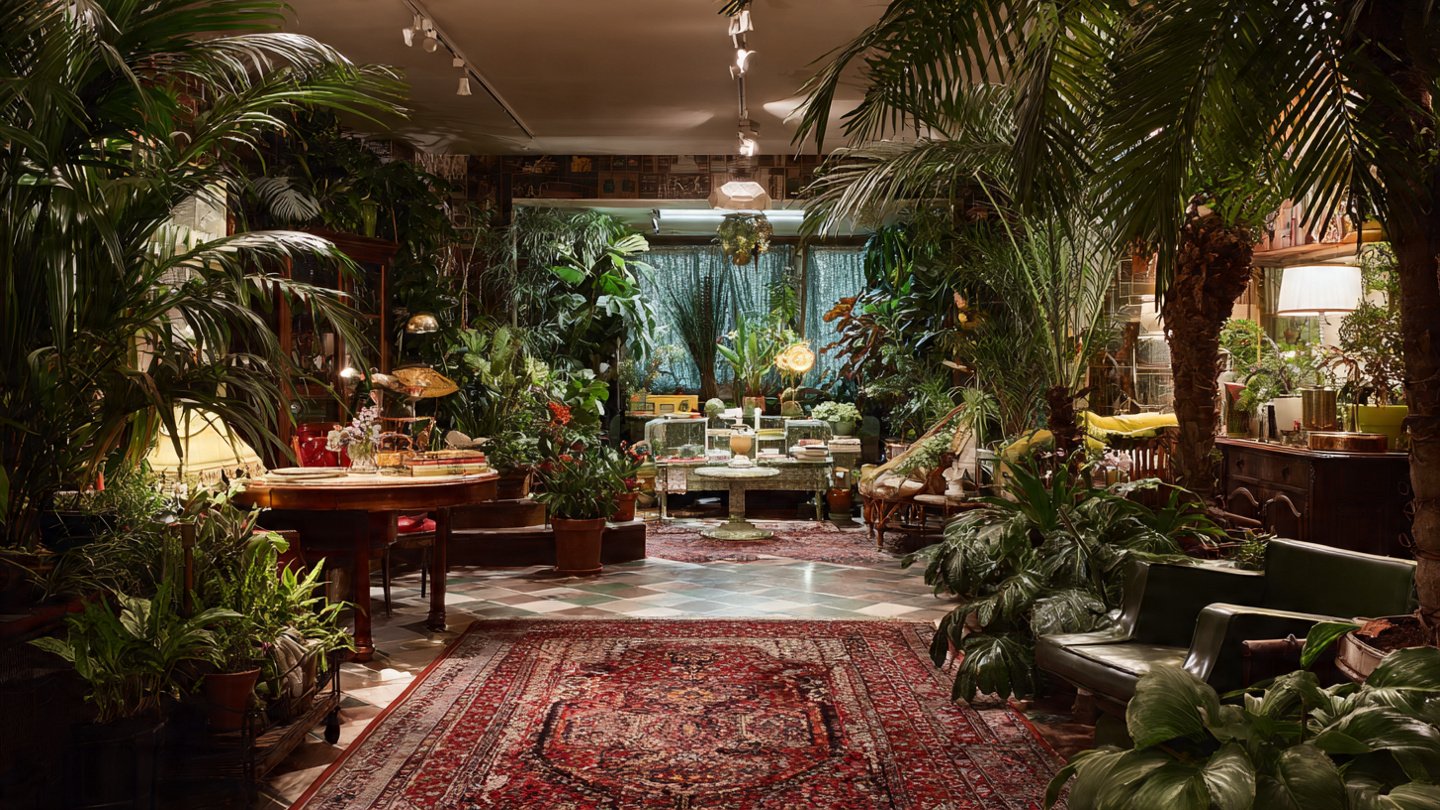
Transforming a corner of your home into a lush indoor garden oasis can not only enhance your decor but also improve your mental well-being. Indoor gardening has gained popularity over the years, allowing individuals to cultivate plants without the constraints of outdoor gardening. Whether you have a green thumb or are a complete novice, this guide will walk you through the essentials of creating an indoor garden oasis.
Benefits of an Indoor Garden
Creating an indoor garden has numerous benefits:
- Air Quality Improvement: Plants act as natural air purifiers, absorbing carbon dioxide and releasing oxygen.
- Stress Reduction: Studies show that tending to plants can lower stress levels and promote relaxation.
- Aesthetic Appeal: A well-designed indoor garden adds beauty and character to your home.
- Nutritional Value: Growing your own herbs and vegetables ensures you have access to fresh produce.
- Connection to Nature: Indoor gardens create a serene environment, providing a sanctuary amidst urban living.
Getting Started
1. Assess Your Space
Before diving into the world of indoor gardening, assess your available space. Consider the following factors:
- Light availability: Natural light is crucial for most plants. Identify areas that receive adequate sunlight throughout the day, such as windowsills and sunrooms.
- Humidity levels: Some plants thrive in humid environments, while others prefer drier air. Monitor your space’s humidity and temperature.
- Space constraints: Determine how much space you can allocate for your garden, whether it’s a few pots on a windowsill or a full room dedicated to plants.
2. Choosing the Right Plants
Selecting the right plants for your indoor garden is critical. Consider these plant categories:
Low-light plants
- Snake Plant (Sansevieria): Hardy and tolerant of neglect, this plant thrives in low-light conditions.
- Pothos: Known for its trailing vines, pothos is easy to care for and survives in low light.
Medium to bright light plants
- Peace Lily: This beautiful plant blooms even in lower light and helps purify air.
- Spider Plant: Robust and adaptable, spider plants enjoy bright, indirect light.
Herbs and Edible Plants
- Basil: Great for culinary uses and thrives indoors with ample sunlight.
- Mint: Easy to grow and aromatic, mint can be grown in pots on a windowsill.
3. Containers and Soil
Choosing the right containers and soil is vital for your plants’ growth.
Latest Posts
- With Just 1 Bottle of Water How I Was Shocked by What Happened When Growing Vegetables
- Maximize Your Home Garden with the Hanging Pea Sprout Growing Model – Space-Saving, High-Yield, and Easy-to-Manage Vertical Gardening Solution
- Just Water – The Secret to Growing Plump, White Peanut Sprouts Right at Home: A Step-by-Step Guide for Beginners
- Growing Zucchini at Home in a Container: How to Cultivate Large, Long Fruits with a 1-to-72 Day Step-by-Step Diary for Maximum Yield
- Grow Long Beans on the Terrace in Used Recycling Baskets: The Ultimate Guide to Easy, Space-Saving, and High-Yield Terrace Gardening
- How to Grow Tons of Long Beans Easily Without a Garden – A Complete Guide to Growing Healthy Yardlong Beans Without Fertilizers or Pesticides
- Easy Long Bean Growing Trick – No Garden, No Fertilizer, No Pesticide
- Grow Bitter Melon in Bottles — Harvest So Big You Can’t Eat It All! The Ultimate Guide to Bottle Gardening for Maximum Yields
- Growing Garlic Made Easy: No Soil, Fast Results – The Ultimate Guide to Growing Fresh Garlic Indoors Without Traditional Soil
- Wall-Mounted Hydroponic Watermelon System: Grow Large, Juicy, and Delicious Watermelons at Home with Minimal Space and Maximum Yield
- Containers: Ensure pots have drainage holes to prevent root rot. You can choose from terracotta, ceramic, or plastic pots, depending on your aesthetic and budget.
- Soil: Use a potting mix suitable for indoor plants. Look for soil that is lightweight and well-draining. You may also consider special mixes for succulents, orchids, or herbs.
4. Watering and Fertilizing
Understanding watering and fertilizing needs is essential for plant health.
- Watering: Overwatering is a common mistake. Check the top inch of soil for moisture before watering. Most indoor plants prefer to dry out slightly between waterings.
- Fertilizing: Use a balanced, water-soluble fertilizer every month during the growing season (spring and summer) to promote healthy growth.
5. Lighting Solutions
Not all homes provide sufficient natural light for plants. Utilize these lighting solutions:
- Grow lights: Full-spectrum LED grow lights can simulate natural sunlight, allowing you to grow a wider variety of plants.
- Fluorescent lights: Affordable and energy-efficient, fluorescent bulbs provide ample light for indoor gardening.
- Placement: Position grow lights about 12-24 inches above the plants for optimal growth.
Designing Your Indoor Garden Oasis
1. Layout and Arrangement
Creating an attractive layout can enhance your garden’s visual appeal.
- Layering: Use taller plants at the back and shorter ones in the front to create depth.
- Grouping: Cluster plants with similar care needs together. This ensures uniform watering and lighting.
- Vertical Gardens: If space is limited, consider a vertical garden using wall-mounted shelves or hanging planters.
2. Accessories and Decor
Personalizing your indoor garden oasis can make it feel even more inviting:
- Planters: Choose decorative pots that match your home’s style—rustic, modern, or eclectic.
- Garden accessories: Incorporate items like watering cans, garden tools, and plant markers to add character.
- Seating Area: If space allows, create a cozy corner with seating, providing a spot to relax and enjoy your garden.
3. Maintenance Routine
Maintaining your indoor garden requires a consistent routine:
- Regular Pruning: Remove dead leaves and spent flowers to encourage new growth and maintain plant health.
- Pest control: Check regularly for pests and diseases. Use organic remedies or insecticidal soap if necessary.
- Re-evaluation: Periodically assess your plants and their health. Replace or relocate plants as needed depending on their growth and care requirements.
Common Indoor Gardening Challenges
As with any gardening endeavor, you may face challenges. Here are some common issues and tips to overcome them:
1. Yellowing Leaves
Possible cause: Overwatering or poor drainage.
Solution: Allow the soil to dry out before watering again and ensure good drainage in pots.
2. Wilting Leaves
Possible cause: Under-watering or excessive heat.
Solution: Check the soil moisture and adjust your watering habits.

3. Stagnant Growth
Possible cause: Lack of light or nutrients.
Solution: Rotate your plants for better light exposure and fertilize them according to care instructions.
Indoor Gardening Tips
- Start small: If you’re new to indoor gardening, start with a few easy-to-grow plants before expanding your collection.
- Research: Understand the specific needs of the plants you choose, including care routines and potential issues.
- Be patient: Gardening requires time and care. Don’t be discouraged by initial setbacks; learning from mistakes is part of the process.
Frequently Asked Questions (FAQs)
1. How much light do indoor plants need?
Most indoor plants require indirect sunlight for about 6-8 hours daily. Plants like succulents and cacti thrive in bright light, while options like ferns and snake plants prefer lower light levels.
2. Do indoor plants need special soil?
Yes, using a well-draining potting mix designed for indoor plants is crucial. Different plants may require specific types of soil, such as cactus mix for succulents or orchid bark for orchids.
3. How often should I water my indoor plants?
Watering needs vary by plant type and environmental conditions. As a general rule, check the top inch of soil; if it’s dry, it’s time to water. Overwatering is often more harmful than under-watering.
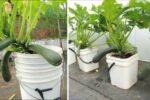
4. Can I grow vegetables indoors?
Yes! Many vegetables can thrive indoors, including herbs, leafy greens, and even small fruiting plants like tomatoes and peppers, provided they have sufficient light.
5. What pests should I watch out for?
Common indoor pests include spider mites, aphids, and mealybugs. Regularly inspect your plants and treat any infestations promptly with insecticidal soap or neem oil.
6. How can I improve indoor humidity for my plants?
To increase humidity, consider using a humidifier, placing a tray of water near your plants, or misting them occasionally. Grouping plants can also create a microenvironment that maintains higher humidity.
Conclusion
Creating an indoor garden oasis is a rewarding venture that enhances both your home and your well-being. With careful planning, selection of the right plants, and regular maintenance, you can cultivate a thriving green space that brings the beauty of nature indoors. Dive into this enriching experience, and enjoy the peace and joy that comes with nurturing your own indoor garden.