Introduction
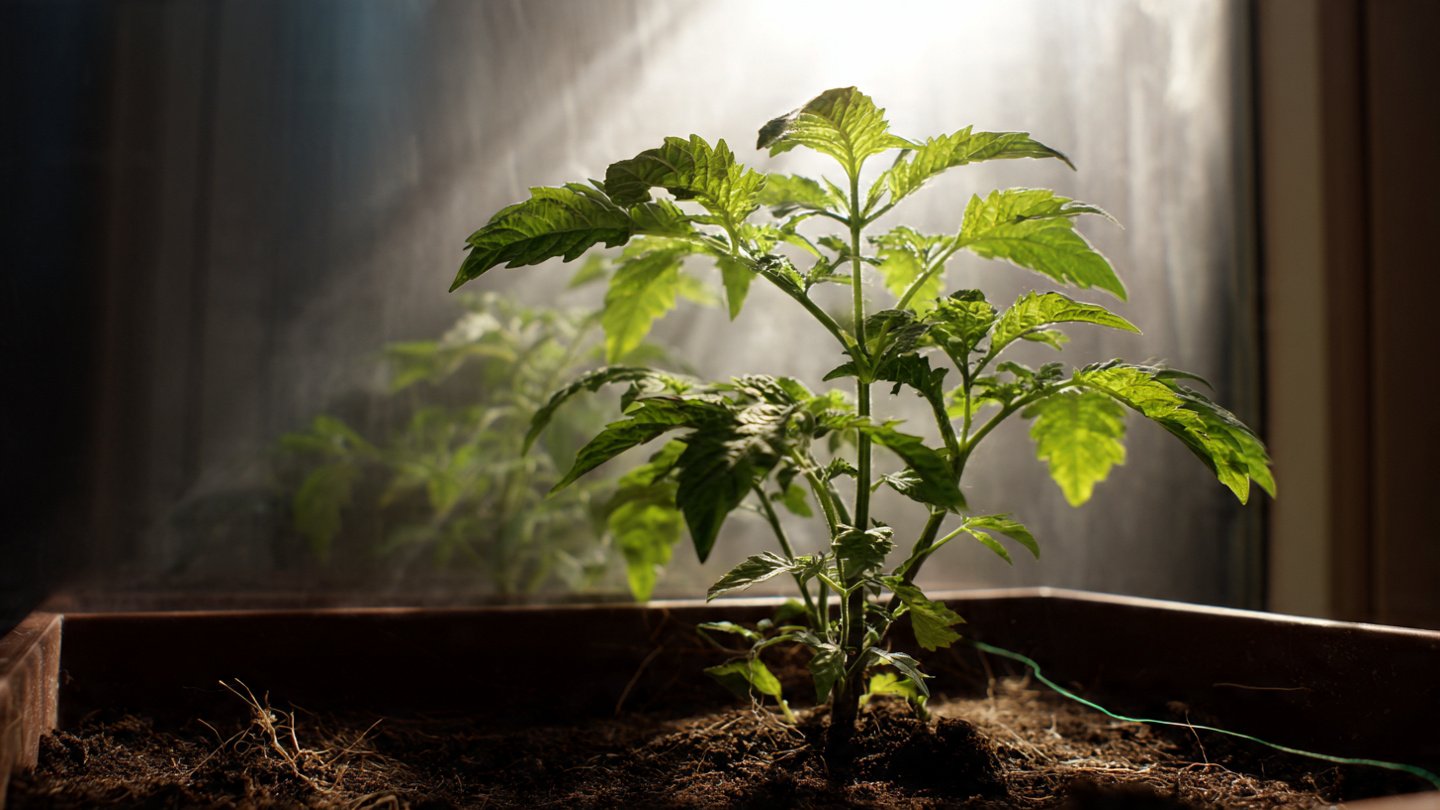
Plants rely heavily on light for photosynthesis, the process through which they convert light energy into chemical energy. Light influences various aspects of plant growth, including height, longevity, and overall health. However, in certain conditions, plants can exhibit weak, elongated growth, often referred to as “etiolation.” This phenomenon is particularly prevalent in tall plants, and understanding the role of light in this process is vital for anyone interested in horticulture or botany.
Understanding Etiolation
Etiolation is a growth response seen in plants that are deprived of sufficient light. The lack of adequate light leads to significant changes in growth patterns and morphology. These adaptations are designed to enhance the plant’s chances of reaching a light source. Common features of etiolated plants include:
- Extended stem length
- Pale or yellowish leaves
- Reduced leaf size
- Increased internodal elongation
While these adaptations allow plants to grow taller in search of light, they often come at the cost of structural integrity. The weakness of stems in etiolated plants makes them more susceptible to damage and may hinder their overall growth and reproduction.
The Role of Light Wavelengths
Plants perceive light through photoreceptors, primarily phytochromes and cryptochromes. These photoreceptors are sensitive to different wavelengths of light. For instance, red and blue light play crucial roles in regulating plant growth:
- Red Light (600-700 nm): Encourages chlorophyll production and is vital for photosynthesis. Plants exposed to sufficient red light exhibit robust, healthy growth.
- Blue Light (400-500 nm): Influences leaf shape and development. Blue light is essential for promoting short, stocky growth and preventing etiolation.
A deficiency in these light wavelengths can lead to anomalous plant growth patterns, particularly in tall plants that often require support in their natural habitats.
Latest Posts
- With Just 1 Bottle of Water How I Was Shocked by What Happened When Growing Vegetables
- Maximize Your Home Garden with the Hanging Pea Sprout Growing Model – Space-Saving, High-Yield, and Easy-to-Manage Vertical Gardening Solution
- Just Water – The Secret to Growing Plump, White Peanut Sprouts Right at Home: A Step-by-Step Guide for Beginners
- Growing Zucchini at Home in a Container: How to Cultivate Large, Long Fruits with a 1-to-72 Day Step-by-Step Diary for Maximum Yield
- Grow Long Beans on the Terrace in Used Recycling Baskets: The Ultimate Guide to Easy, Space-Saving, and High-Yield Terrace Gardening
- How to Grow Tons of Long Beans Easily Without a Garden – A Complete Guide to Growing Healthy Yardlong Beans Without Fertilizers or Pesticides
- Easy Long Bean Growing Trick – No Garden, No Fertilizer, No Pesticide
- Grow Bitter Melon in Bottles — Harvest So Big You Can’t Eat It All! The Ultimate Guide to Bottle Gardening for Maximum Yields
- Growing Garlic Made Easy: No Soil, Fast Results – The Ultimate Guide to Growing Fresh Garlic Indoors Without Traditional Soil
- Wall-Mounted Hydroponic Watermelon System: Grow Large, Juicy, and Delicious Watermelons at Home with Minimal Space and Maximum Yield
Effects of Insufficient Light
Insufficient light can lead to several negative consequences in tall plants:
- Weak Stem Structure: Low light levels often result in elongated stems as the plant tries to reach for brighter areas. This elongation harms the plant’s structural integrity, making it vulnerable to breakage and disease.
- Reduced Leaf Area: In an attempt to conserve energy, etiolated plants will often have smaller leaves, which adversely affects their ability to photosynthesize effectively.
- Pale Foliage: A lack of chlorophyll results in yellow or pale leaves, indicating poor health and inadequate light absorption.
- Increased Vulnerability to Pest and Disease: Weakened, unhealthy plants are more susceptible to pests and diseases, compounding their growth issues.
Strategies for Improving Light Conditions
To promote healthy growth in tall plants, it is essential to ensure adequate light availability. Here are several strategies to improve light conditions:
- Optimize Placement: Positioning plants near windows or areas with optimal sunlight exposure can significantly enhance their growth.
- Use of Grow Lights: For indoor gardening, artificial grow lights can provide the specific wavelengths needed for healthy photosynthesis.
- Regular Pruning: Pruning can help promote more even light distribution among all plant parts, preventing the lower parts of the plant from being shaded out.
- Consider Plant Rotation: Rotating plants periodically can ensure all areas receive sufficient light exposure.
Short-Day vs. Long-Day Plants
Different plants have varying light requirements, categorized into short-day and long-day plants:
- Short-Day Plants: These plants flower when the night length exceeds a certain duration, generally flourishing in the fall or winter when days shorten.
- Long-Day Plants: These require longer daylight periods to flower, typically thriving in late spring to early summer.
Understanding the specific light requirements of your plants can help prevent inadequate growth and ensure they thrive in the appropriate conditions.
Conclusion
The role of light in plant growth is undeniably critical. Weak, tall plants often indicate issues related to insufficient light exposure, leading to etiolation and compromised health. By understanding how different wavelengths affect growth and how to optimize light conditions, gardeners and botanists can foster better plant health and productivity. With the right approach, delicate tall plants can thrive and contribute to the beauty and diversity of our green spaces.
FAQs
What is etiolation?
Etiolation is a growth response observed in plants that grow weakly and tall due to insufficient light. This results in elongated stems and reduced leaf size, among other changes.
How does light wavelength affect plant growth?
Different wavelengths of light affect varied growth processes. Red light promotes chlorophyll production, while blue light influences the development of short, stocky growth.
Can indoor plants also etiolated?
Yes, indoor plants can become etiolated if they do not receive enough light, leading to elongated growth patterns.
What can I do to prevent my tall plants from becoming weak?
Ensuring adequate light levels through optimal placement, using grow lights, regular pruning, and possibly rotating your plants can help prevent weak growth.
Are all tall plants susceptible to etiolation?
While many tall plants can exhibit etiolated growth under low light conditions, the degree to which this occurs can vary based on the species and their specific light requirements.