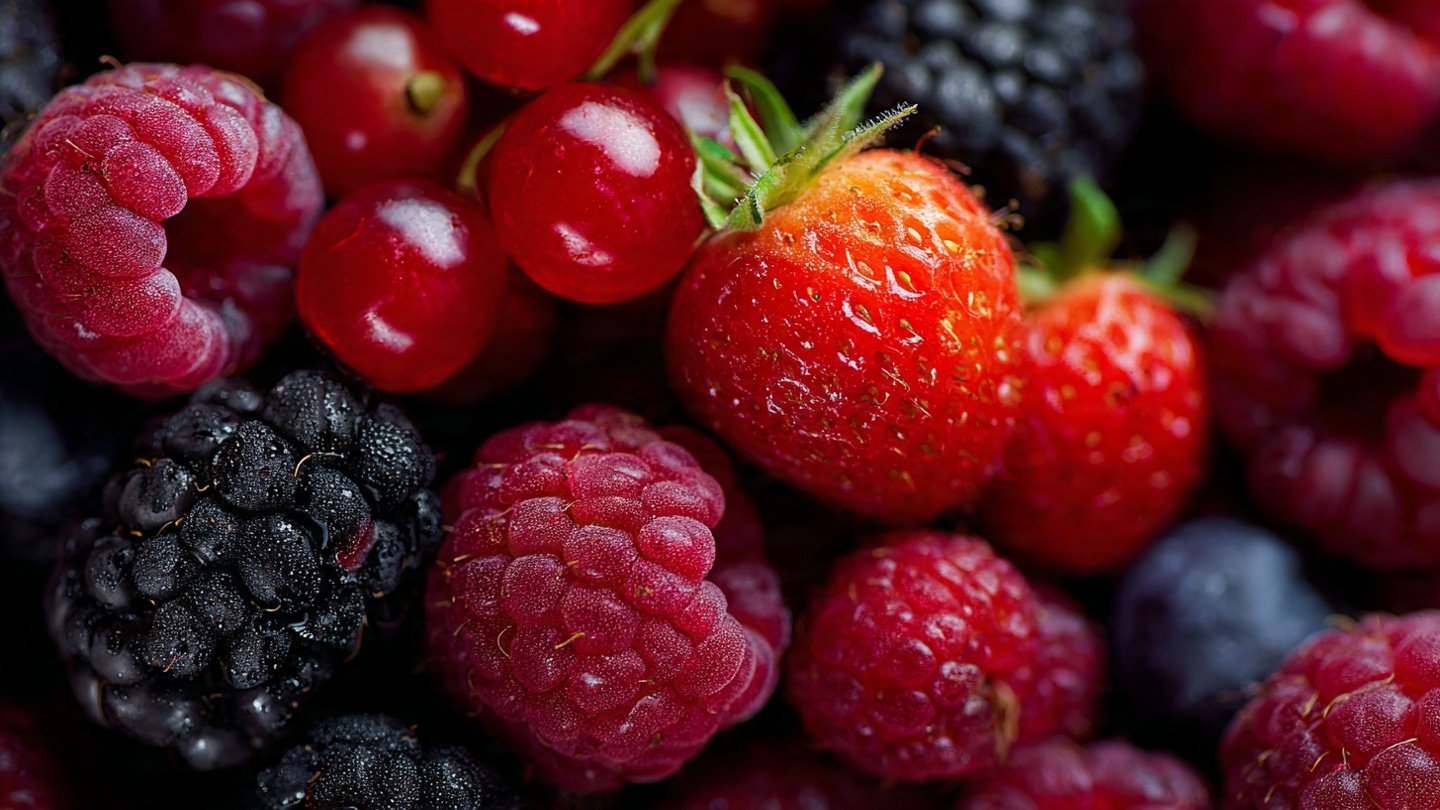
Ripening plays a significant role in determining the flavor and texture of fruits. It is a biological process that transforms immature and inedible fruit into sweet, fragrant, and palatable delicacies. The process involves complex biochemical changes that not only enhance the visual appeal of fruit but also influence its taste and mouthfeel. Understanding the effects of close ripening can enhance agricultural practices, improve consumer satisfaction, and lead to better marketability of fruit products.
What is Close Ripening?
Close ripening refers to a coordinated ripening process that occurs among multiple fruits in proximity to one another. This phenomenon is particularly evident in certain fruit types, such as bananas, tomatoes, and avocados. When one fruit begins to ripen, it releases ethylene gas, a plant hormone that accelerates the ripening process in nearby fruits. This orchestrated ripening can be influenced by various external factors, including temperature, humidity, and light exposure.
Biochemical Changes During Ripening
During ripening, several key biochemical transformations occur within the fruit that can directly impact flavor and texture:
- Starch to Sugar Conversion: Starch reserves in the fruit are converted into sugars, leading to increased sweetness.
- Acidity Reduction: The natural acidity of the fruit decreases as it ripens, which also enhances sweetness perception.
- Aromatic Compound Formation: Various volatile compounds are produced, contributing to the fruit’s aromatic profile and overall flavor.
- Cell Wall Modification: Changes in the structure of cell walls (pectin breakdown) lead to softer textures.
The Importance of Ethylene in Close Ripening
Ethylene gas is a crucial player in initiating and regulating the ripening process. It acts as a signaling molecule that promotes the expression of genes involved in fruit maturation. For instance:

- Ethylene influences the activity of enzymes that break down pectin, leading to softer fruit textures.
- It stimulates the synthesis of sugars and aromatic compounds, enhancing taste and smell.
- Proximity to other ripening fruits can increase ethylene concentration, thereby speeding up the ripening of nearby fruits.
Effects on Flavor
Flavor is a multi-faceted sensory experience influenced by taste, smell, and even texture. The effects of close ripening on flavor can be understood through several key aspects:
Latest Posts
- With Just 1 Bottle of Water How I Was Shocked by What Happened When Growing Vegetables
- Maximize Your Home Garden with the Hanging Pea Sprout Growing Model – Space-Saving, High-Yield, and Easy-to-Manage Vertical Gardening Solution
- Just Water – The Secret to Growing Plump, White Peanut Sprouts Right at Home: A Step-by-Step Guide for Beginners
- Growing Zucchini at Home in a Container: How to Cultivate Large, Long Fruits with a 1-to-72 Day Step-by-Step Diary for Maximum Yield
- Grow Long Beans on the Terrace in Used Recycling Baskets: The Ultimate Guide to Easy, Space-Saving, and High-Yield Terrace Gardening
- How to Grow Tons of Long Beans Easily Without a Garden – A Complete Guide to Growing Healthy Yardlong Beans Without Fertilizers or Pesticides
- Easy Long Bean Growing Trick – No Garden, No Fertilizer, No Pesticide
- Grow Bitter Melon in Bottles — Harvest So Big You Can’t Eat It All! The Ultimate Guide to Bottle Gardening for Maximum Yields
- Growing Garlic Made Easy: No Soil, Fast Results – The Ultimate Guide to Growing Fresh Garlic Indoors Without Traditional Soil
- Wall-Mounted Hydroponic Watermelon System: Grow Large, Juicy, and Delicious Watermelons at Home with Minimal Space and Maximum Yield
Sweetness
As fruits ripen, the starch-to-sugar conversion results in sweetening. The proximity of multiple ripening fruits can amplify this sweetness due to increased ethylene concentrations. A classic example is the ripening banana, which becomes exponentially sweeter when stored with other ethylene-producing fruits.
Aroma
The production of volatile compounds during ripening contributes significantly to aroma, a critical component of flavor. Fruits exposed to ethylene from nearby ripening fruits can develop more complex scents. For example, tomatoes ripened in close proximity to bananas often exhibit enhanced flavor profiles.
Bitterness and Off-flavors
While close ripening usually enhances sweetness and aroma, it can also lead to the development of undesirable flavors. If fruits begin to over-ripen, they can produce off-flavors attributable to the breakdown of certain compounds. This is why proper monitoring of ripening conditions is essential.

Effects on Texture
The texture of ripe fruits is an essential attribute that affects consumer acceptance and enjoyment. The impact of close ripening on texture can be analyzed through the following characteristics:
Softening
As fruits ripen, enzymatic activities lead to the breakdown of cell walls and pectin. This softening process makes fruits more palatable; however, if not monitored, it can result in over-ripening and mushy textures. Fruits such as pears and avocados are particularly sensitive to these changes.
Ripening Uniformity
Close ripening can lead to uniform textures across multiple fruits when they are exposed to similar ripening conditions. This homogeneity is desirable for consumers who expect consistent fruit quality. In contrast, isolation can lead to uneven ripening, resulting in a mix of textures within a single batch.
Physical Damage
Proximity during ripening can increase the chances of physical damage. Fruits that are too close may bruise or crush one another, resulting in textural imperfections and reduced marketability. Proper spacing and handling can mitigate this effect.

Hastening of Ripening and Its Implications
While close ripening has its advantages, it can also lead to hastening the ripening process. This can be beneficial for agriculture, allowing for faster market turnover. However, it presents challenges in terms of quality control. For instance, fruits that ripen too quickly may not develop optimal flavor profiles and textures, leading to customer dissatisfaction.
Harvesting Strategies
Strategic harvesting can help mitigate the undesirable aspects of close ripening. Farmers can monitor ethylene levels and implement practices such as:
- Selective harvesting to ensure fruits are picked at their peak ripeness.
- Controlled atmosphere storage that regulates ethylene levels and ripening speeds.
- Utilizing ethylene inhibitors to manage the ripening process more effectively.
Conclusion
Close ripening is a fascinating phenomenon that significantly impacts fruit flavor and texture. Through the intricate biochemical changes influenced by ethylene gas, fruits become sweeter, more fragrant, and softer as they ripen. However, the complexity of this process means that careful management is essential to reap the benefits while minimizing downsides. By understanding the effects of close ripening, farmers, distributors, and consumers can work together to ensure the best possible fruit quality.
FAQs
1. What fruits are most affected by close ripening?
Fruits like bananas, tomatoes, avocados, and apples are particularly responsive to close ripening due to their ethylene production.

2. How can I store fruits to maximize their flavor?
Store fruits in a cool, dry place separate from ethylene-producing fruits to prolong freshness, or intentionally pair them to enhance ripening in a controlled manner.
3. Can over-ripening be reversed?
While over-ripening is not reversible, you can slow down the process by refrigerating the fruits or removing them from ethylene-rich environments.
4. Does close ripening affect all fruits equally?
No, different fruits have varying sensitivities to ethylene and close ripening effects, resulting in diverse flavor and texture outcomes.
5. How does temperature affect the ripening process?
Higher temperatures can accelerate ripening, while lower temperatures can slow it down. However, extreme cold can damage some fruit types.