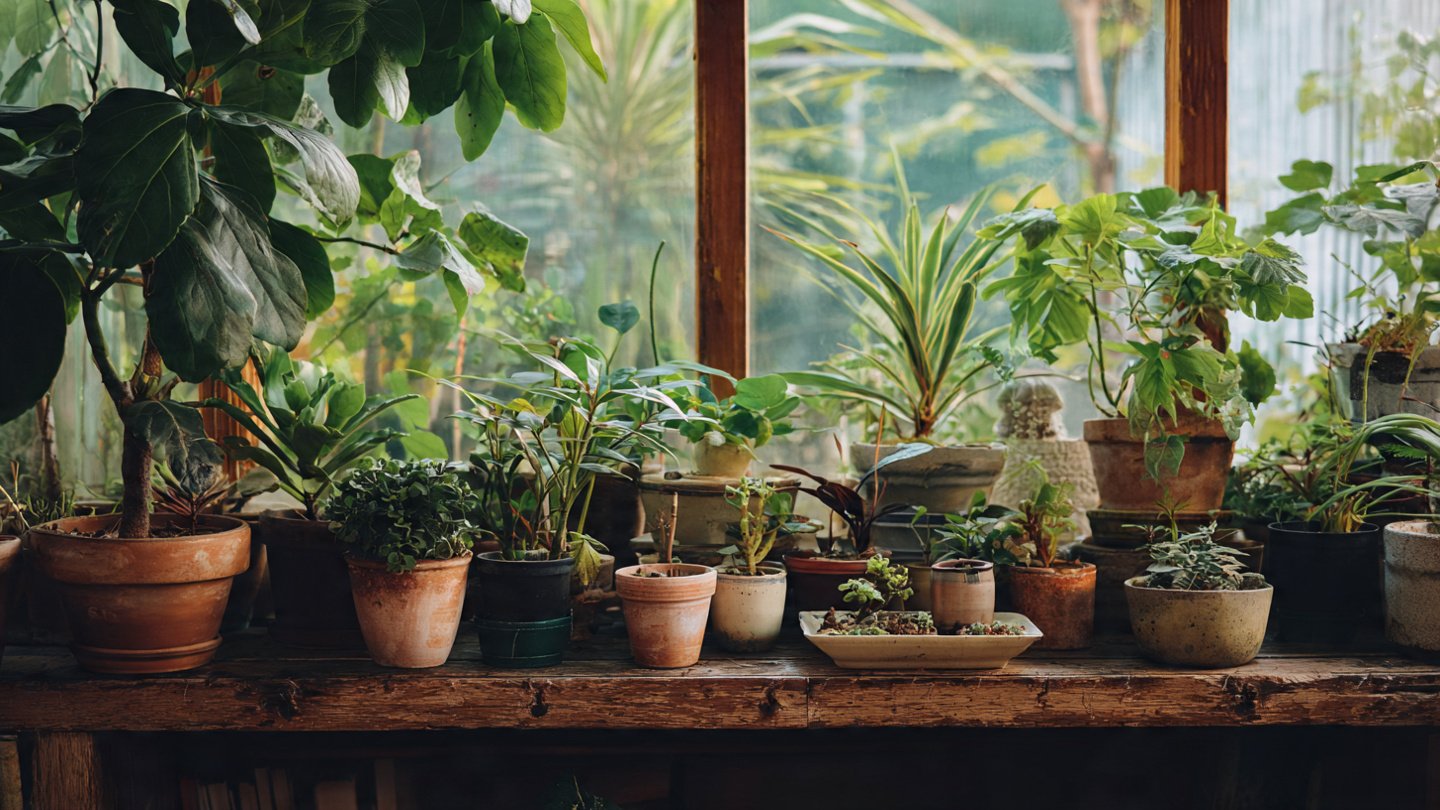
Growing indoor plants can be an incredibly rewarding hobby. Not only do they beautify your living space, but they also improve air quality, enhance mood, and provide a sense of accomplishment. If you’re new to indoor gardening, fear not! This guide will cover everything you need to know to successfully grow and care for indoor plants, from selecting the right ones to troubleshooting common issues.
1. Understanding Indoor Plants
Why Choose Indoor Plants?
Latest Posts
- With Just 1 Bottle of Water How I Was Shocked by What Happened When Growing Vegetables
- Maximize Your Home Garden with the Hanging Pea Sprout Growing Model – Space-Saving, High-Yield, and Easy-to-Manage Vertical Gardening Solution
- Just Water – The Secret to Growing Plump, White Peanut Sprouts Right at Home: A Step-by-Step Guide for Beginners
- Growing Zucchini at Home in a Container: How to Cultivate Large, Long Fruits with a 1-to-72 Day Step-by-Step Diary for Maximum Yield
- Grow Long Beans on the Terrace in Used Recycling Baskets: The Ultimate Guide to Easy, Space-Saving, and High-Yield Terrace Gardening
- How to Grow Tons of Long Beans Easily Without a Garden – A Complete Guide to Growing Healthy Yardlong Beans Without Fertilizers or Pesticides
- Easy Long Bean Growing Trick – No Garden, No Fertilizer, No Pesticide
- Grow Bitter Melon in Bottles — Harvest So Big You Can’t Eat It All! The Ultimate Guide to Bottle Gardening for Maximum Yields
- Growing Garlic Made Easy: No Soil, Fast Results – The Ultimate Guide to Growing Fresh Garlic Indoors Without Traditional Soil
- Wall-Mounted Hydroponic Watermelon System: Grow Large, Juicy, and Delicious Watermelons at Home with Minimal Space and Maximum Yield
Indoor plants are perfect for urban dwellers or anyone with limited outdoor space. They require less light than outdoor plants and can thrive in various household conditions.
Benefits of Indoor Plants
- Air Purification: Many indoor plants help filter toxins from the air, improving indoor air quality.
- Aesthetic Appeal: They add color and texture to your home, creating a more inviting atmosphere.
- Stress Reduction: Studies have shown that being around plants can reduce stress and promote well-being.
2. Choosing the Right Indoor Plants
Low Light Plants
If your home has limited natural light, consider these low-light options:
- Snake Plant (Sansevieria): Hardy and forgiving, requiring minimal care.
- Pothos (Epipremnum aureum): Fast-growing and adaptable, great for beginners.
- ZZ Plant (Zamioculcas zamiifolia): Tolerant of neglect and low light.
Medium Light Plants
For spaces with moderate light, try:
- Spider Plant (Chlorophytum comosum): Easy to propagate and resilient.
- Dracaena: Various species with attractive foliage; they thrive in indirect light.
- Peace Lily (Spathiphyllum): Known for its elegant blooms and air-purifying qualities.
Bright Light Plants
If you have a sunlit spot, consider:
- Fiddle Leaf Fig (Ficus lyrata): Popular for its large leaves but requires specific care.
- Succulents: These require bright light and well-draining soil.
- Cacti: Ideal for sun-drenched locales but ensure not to overwater.
Assessing Your Conditions
Before choosing plants, assess:
- Light Levels: Use a light meter or observe the sunlight patterns in your home.
- Humidity: Most houseplants prefer humidity levels between 40-60%.
- Temperature: Most indoor plants thrive between 60°F and 75°F (15°C to 24°C).
3. Essential Supplies
Pots and Containers
- Drainage: Ensure your pots have drainage holes to prevent waterlogging, which can lead to root rot.
- Material: Terra-cotta pots are breathable but can dry out quickly. Plastic pots retain moisture better.
Soil
Choose quality potting soil suited to your plants. Here are some options:
- All-Purpose Potting Mix: Good for most houseplants.
- Cactus Mix: For succulents and cacti, with excellent drainage.
- Orchid Mix: Designed for orchids, featuring bark and other lightweight materials.
Watering Equipment
- Watering Can: Choose one with a long spout for precision.
- Moisture Meter: Useful for checking soil moisture levels before watering.
Fertilizers
Feed your plants every few weeks during their growing season (spring and summer) with:
- Balanced Fertilizer: A 10-10-10 NPK formula works for various plants.
- Organic Options: Fish emulsion or compost can provide nutrients naturally.
4. Plant Care Basics
Watering
Correct watering is crucial for healthy plants:
- Frequency: Water when the top inch of soil feels dry. This can vary by plant type and environmental conditions.
- Method: Water thoroughly until it drains from the bottom. Avoid letting plants sit in water.
Light Requirements
Ensure your plants are positioned according to their light needs:
- Rotate Plants: Every few weeks, rotate your pots to ensure even growth.
- Plant Location: Move plants closer to or further from windows based on their light preferences.

Humidity and Temperature
Indoor plants generally prefer:
- Humidity: Consider using a humidifier or placing a tray of water near plants.
- Temperature: Keep plants away from drafts, heaters, and air conditioning vents.
Pruning and Maintenance
Regular maintenance will keep your plants healthy:
- Pruning: Trim dead or yellowing leaves to promote new growth.
- Dusting: Wipe leaves to remove dust and improve light absorption.
- Repotting: Every 1-2 years or when you notice roots coming out of the drainage holes.
5. Troubleshooting Common Problems
Overwatering
Symptoms of overwatering include yellowing leaves, wilting, and root rot. To fix:
- Increase Drainage: Consider repotting with better-draining soil.
- Reduce Watering Frequency: Allow the soil to dry out more between waterings.
Underwatering
Signs of underwatering are dry, crispy leaves. Remedy by:
- Increasing Water: Check the soil moisture consistently and adjust accordingly.
- Routine: Establish a watering schedule based on your plant’s specific needs.
Pests
Common pests include spider mites, aphids, and mealybugs:
- Inspection: Regularly check leaves and stems for pests.
- Treatment: Wash with water or use insecticidal soap for infestations.
Nutrient Deficiencies
Yellowing leaves, stunted growth, or poor flowering can indicate a deficiency. Address by:
- Fertilizing: Use a balanced fertilizer according to your plant’s needs.
- Soil Check: Ensure your potting mix is suitable and not depleted of nutrients.
6. Seasonal Considerations
Indoor plant care can vary with the seasons:
Spring and Summer
- Growing Season: Most plants will thrive, requiring more water and nutrients.
- Propagation: A great time to propagate cuttings for new plants.
Fall and Winter
- Dormant Period: Many plants slow down their growth; reduce watering and fertilizing.
- Light Monitoring: Days are shorter, so consider relocating plants to brighter spots.
7. Frequently Asked Questions (FAQs)
Q1: How often should I water my indoor plants?
A: Watering needs vary by plant type, pot size, and environment. Generally, check the top inch of soil; if it’s dry, it’s time to water.
Q2: Why are the leaves on my plant turning yellow?
A: Yellow leaves can indicate overwatering, underwatering, or nutrient deficiencies. Assess the watering routine and check for pests.
Q3: How do I know if my plant needs repotting?
A: Signs include roots growing out of the drainage holes, stunted growth, or a plant that topples over in its pot.
Q4: What if my indoor plants are not growing?
A: Assess your light conditions, watering frequency, and ensure proper nutrients. Sometimes, patience is key as plants may grow slowly.
Q5: Can I use tap water for my plants?
A: Yes, but it’s best to let tap water sit for 24 hours to allow chlorine to dissipate before using it for watering.
Q6: How do I propagate indoor plants?
A: Many plants can be propagated via cuttings or division. Research the specific method for your plant type.
Q7: Are all indoor plants safe for pets?
A: No, many indoor plants are toxic to pets. Always check the toxicity before introducing new plants to your home.
Conclusion
Growing indoor plants can be a delightful addition to your home. With the right selection of plants, understanding their care, and effectively troubleshooting issues, anyone can become a successful indoor gardener. Enjoy the process of nurturing your green companions and watch them flourish in your space! Whether you’re in it for the aesthetics, the benefits, or simply the joy of growing plants, you’ll find that indoor gardening is a fulfilling venture. Happy planting!