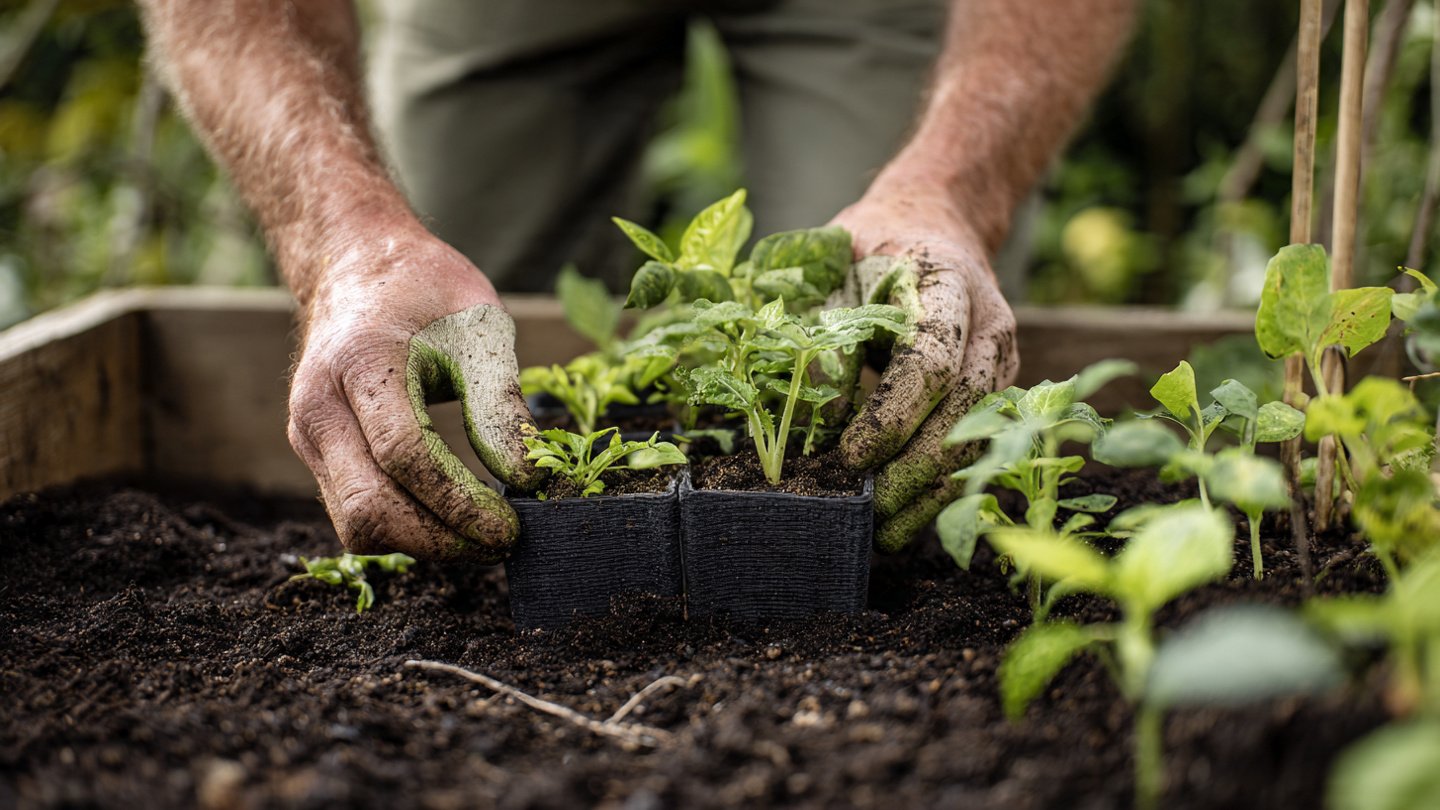
Gardening can be a rewarding and therapeutic hobby, offering not just the beauty of nature but also fresh produce and a sense of accomplishment. If you’re new to gardening, the process might feel daunting, but with a few simple steps and some guidance, you can cultivate your garden successfully. This article will outline essential tips for novice gardeners, from choosing the right plants to understanding essential gardening tools.
Step 1: Understand Your Garden Space
Assess Your Environment
Latest Posts
- With Just 1 Bottle of Water How I Was Shocked by What Happened When Growing Vegetables
- Maximize Your Home Garden with the Hanging Pea Sprout Growing Model – Space-Saving, High-Yield, and Easy-to-Manage Vertical Gardening Solution
- Just Water – The Secret to Growing Plump, White Peanut Sprouts Right at Home: A Step-by-Step Guide for Beginners
- Growing Zucchini at Home in a Container: How to Cultivate Large, Long Fruits with a 1-to-72 Day Step-by-Step Diary for Maximum Yield
- Grow Long Beans on the Terrace in Used Recycling Baskets: The Ultimate Guide to Easy, Space-Saving, and High-Yield Terrace Gardening
- How to Grow Tons of Long Beans Easily Without a Garden – A Complete Guide to Growing Healthy Yardlong Beans Without Fertilizers or Pesticides
- Easy Long Bean Growing Trick – No Garden, No Fertilizer, No Pesticide
- Grow Bitter Melon in Bottles — Harvest So Big You Can’t Eat It All! The Ultimate Guide to Bottle Gardening for Maximum Yields
- Growing Garlic Made Easy: No Soil, Fast Results – The Ultimate Guide to Growing Fresh Garlic Indoors Without Traditional Soil
- Wall-Mounted Hydroponic Watermelon System: Grow Large, Juicy, and Delicious Watermelons at Home with Minimal Space and Maximum Yield
Before you plant anything, take a good look at your garden space. Consider the following:
- Location: Is it sunny or shaded? Most vegetables and flowers thrive in full sunlight (6-8 hours a day).
- Soil Type: Dig a small hole to feel the soil. Sandy soils drain well but require frequent watering, while clay soil retains moisture but might need amending to ensure proper drainage.
- Climate: Know your USDA Hardiness Zone. This will inform you about what plants are best suited for your area based on winter temperatures.
Choose the Right Site
Pick a location that meets both your needs and the needs of the plants you want to grow. If you’re limited on space, consider container gardening, which can also thrive on patios and balconies.
Step 2: Plan Your Garden Layout
Create a Garden Design
Planning your garden layout can save time and effort later. Consider:
- Plant Types: Decide whether you want flowers, vegetables, herbs, or a combination. Research which plants grow well together (companion planting).
- Spacing: Ensure you leave enough space between plants for adequate air circulation and growth.
- Accessibility: Make sure you can easily reach all parts of the garden for watering and harvesting.
Use a Garden Journal
Keeping a garden journal can help you track what you planted, when you planted it, and the results. This information can help you improve your gardening skills over time.
Step 3: Select Your Plants Wisely
Start with Easy-to-Grow Varieties
For beginners, it’s wise to start with low-maintenance plants. Here are some options:
- Vegetables: Radishes, lettuce, and zucchini are quick to germinate and easy to grow.
- Flowers: Marigolds and sunflowers add color and require minimal care.
- Herbs: Basil, parsley, and mint are not only useful in the kitchen but also easy to cultivate.
Consider the Growing Season
Different plants have different growing seasons. Some may be sown in early spring, while others can be planted in late summer for a fall harvest. Make sure you are aware of these timelines.
Step 4: Prepare the Soil
Test Your Soil
A simple soil test can help you understand its pH and nutrient levels. Many local agricultural extensions offer testing kits.
Amend the Soil
Based on your test results, you may need to amend your soil. Adding organic matter like compost can enhance soil structure, increase nutrient levels, and improve drainage.
Tilling
Loosen the soil by tilling or turning it with a spade. This makes it easier for roots to grow and encourages air circulation.
Step 5: Watering Techniques
Establish a Watering Routine
Consistency is key when it comes to watering. Aim to water in the early morning or late afternoon to reduce evaporation.
Know When to Water
Generally, plants need about an inch of water per week, but this can change based on weather conditions.
Use a Soaker Hose or Drip Irrigation
For larger gardens, consider installing a soaker hose or drip irrigation system. These deliver moisture directly to the roots, minimizing water wastage and preventing diseases from standing water.
Step 6: Mulching
Benefits of Mulching
Adding a layer of mulch around your plants can help retain moisture, suppress weeds, and improve soil quality as it breaks down.
Types of Mulch
Natural mulches such as wood chips, straw, and grass clippings work well, but be sure to avoid using untreated lawn clippings that can introduce pests or diseases.
Step 7: Pest and Disease Management
Monitor Your Plants
Regularly inspect your plants for signs of pests or diseases. Catching issues early can save your garden from larger problems later.
Use Organic Solutions
If you do encounter pests, consider using natural remedies before turning to synthetic chemicals. Options include neem oil, insecticidal soap, or introducing beneficial insects like ladybugs.
Step 8: Maintenance and Harvesting
Regular Maintenance
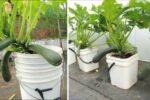
Spend some time each week tending to your garden; this includes weeding, pruning, and checking on plant health.
When to Harvest
Pay attention to your plants and know when they are ready for harvesting. Timing can greatly affect the flavor and quality of your produce.
FAQs
1. What is the best time to start a garden?
The best time to start a garden varies by region. Typically, early spring is ideal for most vegetables, while fall is great for planting certain crops that thrive in cooler weather.
2. How often should I water my plants?
Most plants need about an inch of water per week. It’s best to water early in the morning or late in the afternoon to minimize evaporation.
3. What is companion planting?
Companion planting involves pairing specific plants together for mutual benefits such as pest control, pollination, and nutrient uptake.
4. Do I need to fertilize my garden?
While some soils are nutrient-rich, many benefit from a balanced fertilizer. Conduct a soil test to determine specific needs.
5. How can I prevent pests in my garden?
Regular monitoring, maintaining healthy soil, and introducing beneficial insects can help prevent pest infestations. You can also use organic pest control methods as needed.
6. Can I garden if I have limited space?
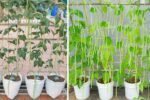
Yes! Container gardening allows you to grow plants in pots, which can be placed in limited spaces such as balconies or patios.
7. How do I know when my vegetables are ready to harvest?
Most vegetables should be harvested when they’re mature but still tender. Refer to seed packets or plant labels for specific timing guidelines.
8. What should I do during the off-season?
During the off-season, consider planning next year’s garden, improving your soil (such as adding compost), or even experimenting with indoor gardening.
In conclusion, gardening’s learning curve can be quite steep at first, but by following these simple steps and guidelines, you’ll find yourself gaining confidence and enjoying the fruits (and vegetables!) of your labor. Happy gardening!