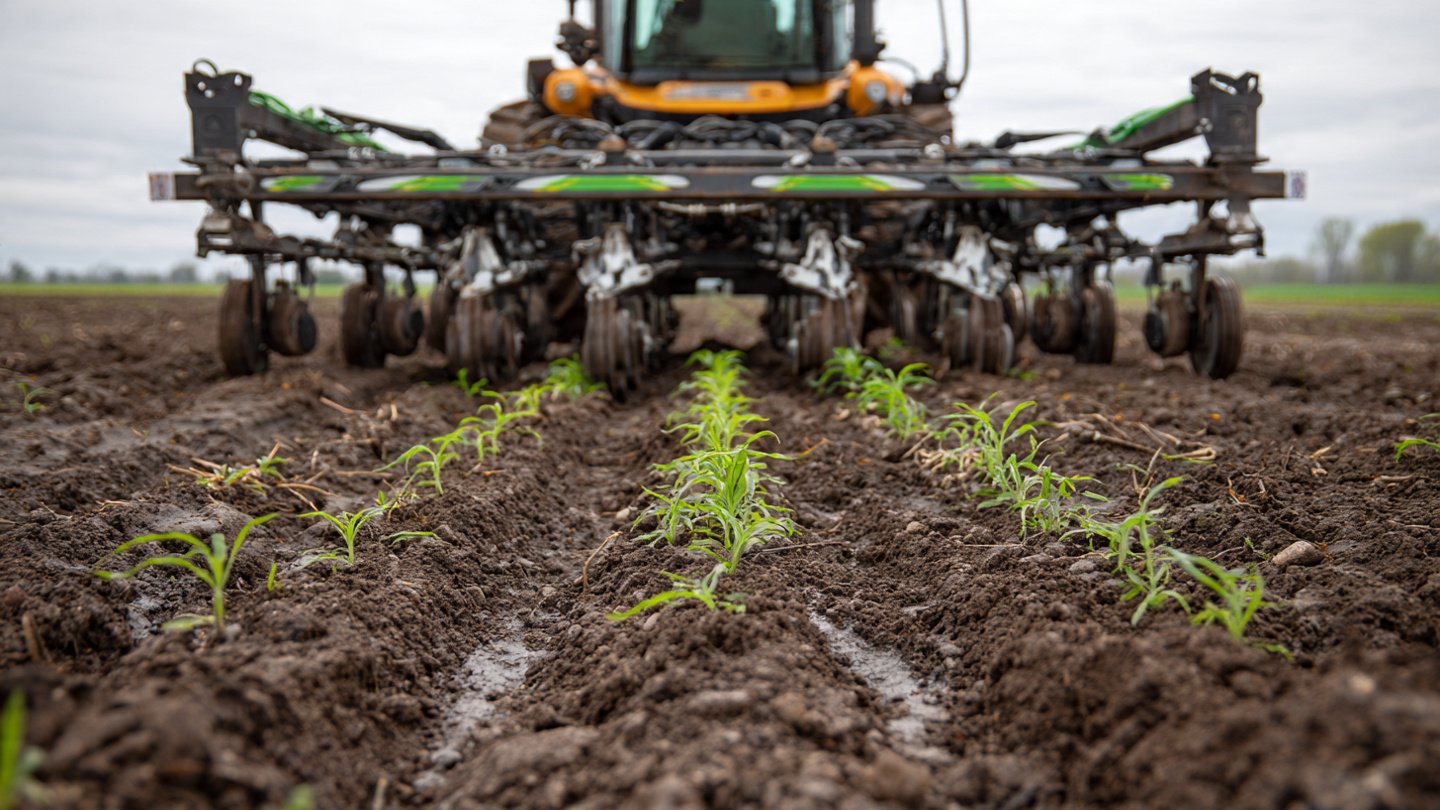
In the world of agriculture, the timing of planting is as critical as the seed variety chosen, the quality of soil, and the application of fertilizers. Planting calendars, which dictate when to plant specific crops, can dramatically affect yields and overall farm productivity. Farmers, agronomists, and researchers are increasingly focusing on optimizing these calendars to enhance crop yields effectively. This article delves into the intricacies of planting calendars, the factors influencing them, and actionable strategies to optimize planting for improved agricultural outcomes.
Understanding Planting Calendars
A planting calendar is a schedule that indicates the best times to plant crops based on various environmental and seasonal factors. These calendars reflect local climate conditions, regional agricultural practices, and the specific requirements of different crops.
Latest Posts
- With Just 1 Bottle of Water How I Was Shocked by What Happened When Growing Vegetables
- Maximize Your Home Garden with the Hanging Pea Sprout Growing Model – Space-Saving, High-Yield, and Easy-to-Manage Vertical Gardening Solution
- Just Water – The Secret to Growing Plump, White Peanut Sprouts Right at Home: A Step-by-Step Guide for Beginners
- Growing Zucchini at Home in a Container: How to Cultivate Large, Long Fruits with a 1-to-72 Day Step-by-Step Diary for Maximum Yield
- Grow Long Beans on the Terrace in Used Recycling Baskets: The Ultimate Guide to Easy, Space-Saving, and High-Yield Terrace Gardening
- How to Grow Tons of Long Beans Easily Without a Garden – A Complete Guide to Growing Healthy Yardlong Beans Without Fertilizers or Pesticides
- Easy Long Bean Growing Trick – No Garden, No Fertilizer, No Pesticide
- Grow Bitter Melon in Bottles — Harvest So Big You Can’t Eat It All! The Ultimate Guide to Bottle Gardening for Maximum Yields
- Growing Garlic Made Easy: No Soil, Fast Results – The Ultimate Guide to Growing Fresh Garlic Indoors Without Traditional Soil
- Wall-Mounted Hydroponic Watermelon System: Grow Large, Juicy, and Delicious Watermelons at Home with Minimal Space and Maximum Yield
Key Components of Planting Calendars
-
Seasonal Variations:
- Different regions have distinct growing seasons influenced by temperature, humidity, and precipitation patterns. Understanding these variations is crucial for determining optimal planting times.
-
Crop Rotation:
- Crop rotation helps maintain soil health and can affect planting schedules. Alternating crops can naturally reduce pest populations and nutrient depletion, thus enhancing yields.
-
Soil Health:
- Soil temperature and moisture levels play a vital role in germination and early plant development. Monitoring these factors is essential in optimizing the planting date.
Factors Influencing Planting Calendars
1. Climate and Weather
Temperature and Precipitation: Both temperature and water availability are vital for seed germination and growth. Understanding seasonal weather patterns, including early frosts and late rains, allows farmers to adjust their planting times effectively.
2. Soil Conditions
Soil Moisture and Structure: Soil should be adequately moist but not overly saturated. Farmers need to assess soil health and work towards improving its texture and structure for optimal planting.
3. Crop Varietals
Selecting the Right Varietals: Different crop varieties have unique growing requirements. By choosing the right types that are well-suited to local conditions and optimize growth within the given timeframe, yields can be significantly increased.
4. Pest and Disease Cycles
Monitoring Biological Cycles: Timing planting to avoid peak pest populations and disease outbreaks can significantly minimize damage and increase crop yields. Integrated pest management (IPM) strategies can help in this area.
5. Availability of Labor and Machinery
Planning for Resources: The availability of labor and necessary machinery can influence the planting calendar. Planning to ensure resources are maximized during peak planting times is essential.
Strategies to Optimize Planting Calendars
1. Data-Driven Decision Making
Utilizing data analytics and technology can enhance the decision-making process regarding planting times. Tools and platforms that provide real-time weather forecasts, soil moisture readings, and pest monitoring can be instrumental.
Implementing Precision Agriculture
- Remote Sensing Technologies: Satellite imagery and drones can provide insights into crop health, soil conditions, and weather patterns, enabling farmers to make informed planting decisions.
- Soil Sensors: In-field sensors can measure temperature, moisture, and nutrient levels, allowing farmers to choose the best planting times based on accurate data.
2. Biodiversity and Crop Rotation
Implementing crop rotation and polyculture practices helps in disrupting pest and disease cycles while enriching the soil. This approach not only optimizes planting schedules but also contributes to long-term soil health.
Benefits of Biodiversity
- Diversifying crops can lead to enhanced resilience against climate variability and pests, ultimately resulting in better yields.
- Specific planting strategies, such as intercropping, can effectively stagger harvest times and improve overall output.
3. Utilizing Local Knowledge
Traditional knowledge of planting times based on local climate and historical patterns can offer invaluable insights. Engaging with local farmers and agricultural extension services can provide guidance on optimizing planting calendars.
4. Climate Adaptation Strategies
As global climate patterns shift, adapting planting calendars is necessary to cope with changing conditions. This includes:
- Developing Heat-Resistant Varieties: Breeding and selecting crop varieties that can withstand higher temperatures can help farmers optimize their planting times.
- Water Management Techniques: Utilizing irrigation systems that respond to weather conditions ensures crops receive adequate moisture throughout their growth cycles.
5. Computer Modeling
Simulation models such as Decision Support Systems (DSS) can help predict optimal planting times based on various factors, including climate, soil conditions, and crop choice. These tools can support farmers in making informed decisions.
Case Studies in Successful Optimization
Case Study 1: Ohio State University Research
In a study conducted by Ohio State University, researchers analyzed historical weather data alongside crop yield outcomes to develop a more accurate planting calendar for maize and soybeans. By identifying the optimum planting window, farmers were able to increase yields by up to 20% without increasing input costs.
Case Study 2: The System of Rice Intensification (SRI)
SRI is a methodology aimed at increasing the productivity of irrigated rice by changing the management of plants, soil, water, and nutrients. Implementing optimized planting times within the SRI framework has led farmers in Madagascar to achieve yields double that of traditional methods.
Implementing an Action Plan
To successfully optimize planting calendars, farmers and agricultural professionals should consider the following action plan:
- Assess Local Conditions: Understanding local climate patterns, soil types, and crop varieties.
- Utilize Technology: Implement data-driven technologies, including precision agriculture tools and climate modeling software.
- Promote Collaboration: Facilitate knowledge-sharing workshops with local farmers, agronomists, and agricultural extension services.
- Monitor and Adapt: Continuously monitor crop growth, pest populations, and environmental conditions to adapt planting calendars as needed.
- Education and Research: Engage in continuous education and research to stay updated with the latest farming techniques and methodologies.
Challenges to Consider
While optimizing planting calendars can lead to significant benefits, several challenges need to be addressed:
- Access to Technology: Not all farmers may have access to the latest technologies, which can hinder their ability to implement data-driven strategies.
- Climate Uncertainty: Increasing climate variability poses challenges in making accurate predictions regarding weather patterns.
- Resistance to Change: Farmers accustomed to traditional practices may be hesitant to adopt new methods, requiring education and demonstrable results to ease the transition.
Conclusion
Optimizing planting calendars is a multifaceted approach that can significantly enhance agricultural productivity. By carefully considering climate, soil health, crop choices, and various environmental factors, farmers can time their planting to maximize yields effectively. The integration of technology, local knowledge, and sustainable farming practices is essential to this optimization. As global food demands rise, the ability to refine planting schedules and adapt to changing conditions will be vital in ensuring food security and sustainability in agriculture.