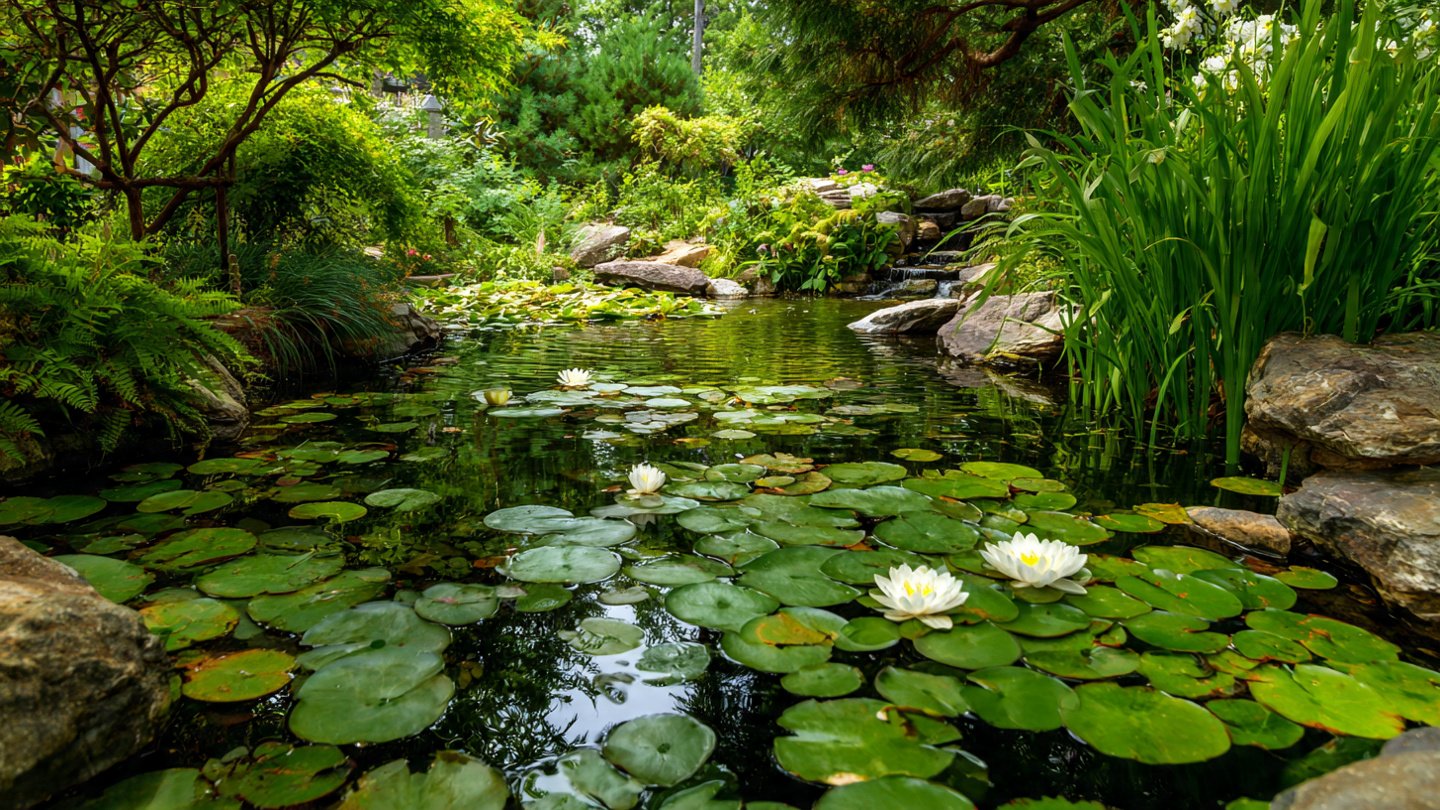
Creating a water garden can offer a multitude of benefits, from enhancing your landscape to providing a delightful habitat for wildlife. However, one of the main challenges faced by water gardeners is managing mosquito populations. Mosquitoes can breed quickly in stagnant water, turning a peaceful garden into a nuisance. Fortunately, there are several natural methods to keep your water garden mosquito-free without resorting to harmful chemicals. In this article, we will explore various strategies to maintain a serene and mosquito-free environment.
Understanding Mosquito Life Cycle
Before implementing strategies to control mosquitoes, it’s essential to understand their life cycle. Mosquitoes have four stages: egg, larva, pupa, and adult. Eggs are usually laid on the water surface or nearby. The larval stage is aquatic, where they feed on organic matter. If left unchecked, a small water garden can become a breeding ground for these pests.
Latest Posts
- With Just 1 Bottle of Water How I Was Shocked by What Happened When Growing Vegetables
- Maximize Your Home Garden with the Hanging Pea Sprout Growing Model – Space-Saving, High-Yield, and Easy-to-Manage Vertical Gardening Solution
- Just Water – The Secret to Growing Plump, White Peanut Sprouts Right at Home: A Step-by-Step Guide for Beginners
- Growing Zucchini at Home in a Container: How to Cultivate Large, Long Fruits with a 1-to-72 Day Step-by-Step Diary for Maximum Yield
- Grow Long Beans on the Terrace in Used Recycling Baskets: The Ultimate Guide to Easy, Space-Saving, and High-Yield Terrace Gardening
- How to Grow Tons of Long Beans Easily Without a Garden – A Complete Guide to Growing Healthy Yardlong Beans Without Fertilizers or Pesticides
- Easy Long Bean Growing Trick – No Garden, No Fertilizer, No Pesticide
- Grow Bitter Melon in Bottles — Harvest So Big You Can’t Eat It All! The Ultimate Guide to Bottle Gardening for Maximum Yields
- Growing Garlic Made Easy: No Soil, Fast Results – The Ultimate Guide to Growing Fresh Garlic Indoors Without Traditional Soil
- Wall-Mounted Hydroponic Watermelon System: Grow Large, Juicy, and Delicious Watermelons at Home with Minimal Space and Maximum Yield
To effectively manage mosquito populations, it is important to focus on disrupting this life cycle. Here are some natural strategies to consider:
1. Maintain Water Movement
One of the most effective ways to deter mosquitoes is to keep the water in your garden moving. Mosquitoes prefer stagnant water for breeding. Introducing water features such as fountains, waterfalls, or aerators can help disrupt their habitat. Even a simple pond pump can create ripples on the surface, making it less inviting for mosquitoes to lay their eggs.
2. Introduce Larvivorous Fish
Adding fish to your water garden can be a natural and effective way to control mosquito populations. Certain species, like guppies or goldfish, feed on mosquito larvae. By creating a balanced ecosystem with these fish, you can effectively reduce the number of larvae in your garden. Moreover, these fish can add beauty and life to your garden as they swim through the water.
3. Utilize Natural Predators
Apart from fish, various other animals can help keep mosquito populations in check. Birds, dragonflies, and bats are known natural predators of mosquitoes. You can attract these creatures by providing suitable nesting sites and habitats. For example, installing bat houses or planting native flowers can lure in dragonflies, which will hunt mosquitoes in your garden.
4. Add Plants that Repel Mosquitoes
Certain plants are known for their mosquito-repelling properties. Incorporating these plants into your water garden can create a barrier against these pests. Some effective plants include:
- Lavender: Its strong scent naturally repels mosquitoes.
- Marigolds: Known for their distinct odor, marigolds deter mosquitoes and other garden pests.
- Citronella: Often used in candles, this plant emits a scent that keeps mosquitoes at bay.
- Catnip: Studies show that catnip is even more effective than DEET in repelling mosquitoes.

By planting these species around your water garden, you can create a natural shield against mosquito invasions.
5. Regular Maintenance
Maintaining a clean and tidy water garden is vital for preventing mosquito infestations. Regularly remove debris like fallen leaves, algae, and decaying plant material, as these can provide breeding grounds for mosquitoes. Additionally, consider changing the water regularly if you have small containers or pools to further limit breeding opportunities.
6. Use Organic Mosquito Repellents
Sometimes, pests can be bothersome regardless of your preventative measures. In such cases, using organic repellents can help. Essential oils like eucalyptus, peppermint, and tea tree oil can be effective when diluted and applied around areas where mosquitoes breed. Spray these oils around your water garden to create an aromatic barrier while being safe for the surrounding ecosystem.

7. Create Natural Barriers
Incorporating hardscapes or natural barriers can help deter mosquitoes from entering your garden. This can include strategically placed rocks, gravel, or even inclined surfaces that make it difficult for mosquitoes to locate resting spots. Additionally, consider setting up your water garden away from dense vegetation, as it can provide shelter for mosquitoes.
8. Encourage Healthy Ecosystem Balance
The key to a mosquito-free water garden lies in fostering a healthy ecosystem. Ensure that you have a good balance of plants, animals, and microorganisms. Healthy bacteria can help break down organic matter, which can reduce the attractiveness of the water for mosquitoes. Additionally, a balanced ecosystem helps maintain water quality and supports the overall health of your garden.
9. Seasonal Water Management
During the warmer months, mosquitoes are most active. Implement seasonal water management practices to further reduce mosquito populations. For instance, consider reducing the amount of water in certain areas or temporary drying out specific parts of the garden. This can interrupt the breeding cycle and discourage mosquitoes from establishing a population.
10. Educate Yourself and Neighbors
Lastly, staying informed and sharing knowledge with your neighbors is essential. Mosquitoes can travel between properties, so collective action is often necessary in residential areas. Collaborate with your neighbors to implement mutual strategies for mosquito control, such as maintaining clean yards and making collective decisions on water gardens.
FAQs
1. Can mosquito larvae survive in moving water?
No, mosquito larvae generally cannot thrive in moving water. They prefer stagnant water to lay their eggs and grow.
2. Are there specific fish that are better for controlling mosquito populations?
Yes, fish like guppies, goldfish, and minnows are effective at feeding on mosquito larvae.
3. What types of plants are best for repelling mosquitoes?
Plants such as lavender, marigolds, citronella, and catnip are known for their mosquito-repelling properties.
4. How often should I clean my water garden to prevent mosquitoes?
Regular maintenance is crucial. Cleaning your water garden at least once a week can help remove potential breeding grounds for mosquitoes.
5. Can I use chemical products in my water garden to control mosquitoes?
While chemical products can be effective, they may harm other wildlife and disrupt the ecosystem. It’s best to keep it natural where possible.
6. What role do birds and dragonflies play in controlling mosquito populations?
Birds and dragonflies are natural predators of mosquitoes. Attracting them to your garden helps maintain the population levels of these pests.
By employing these natural strategies, you can enjoy a beautiful and peaceful water garden free of mosquitoes. A proactive, eco-friendly approach not only benefits your garden but also contributes to a healthier environment.