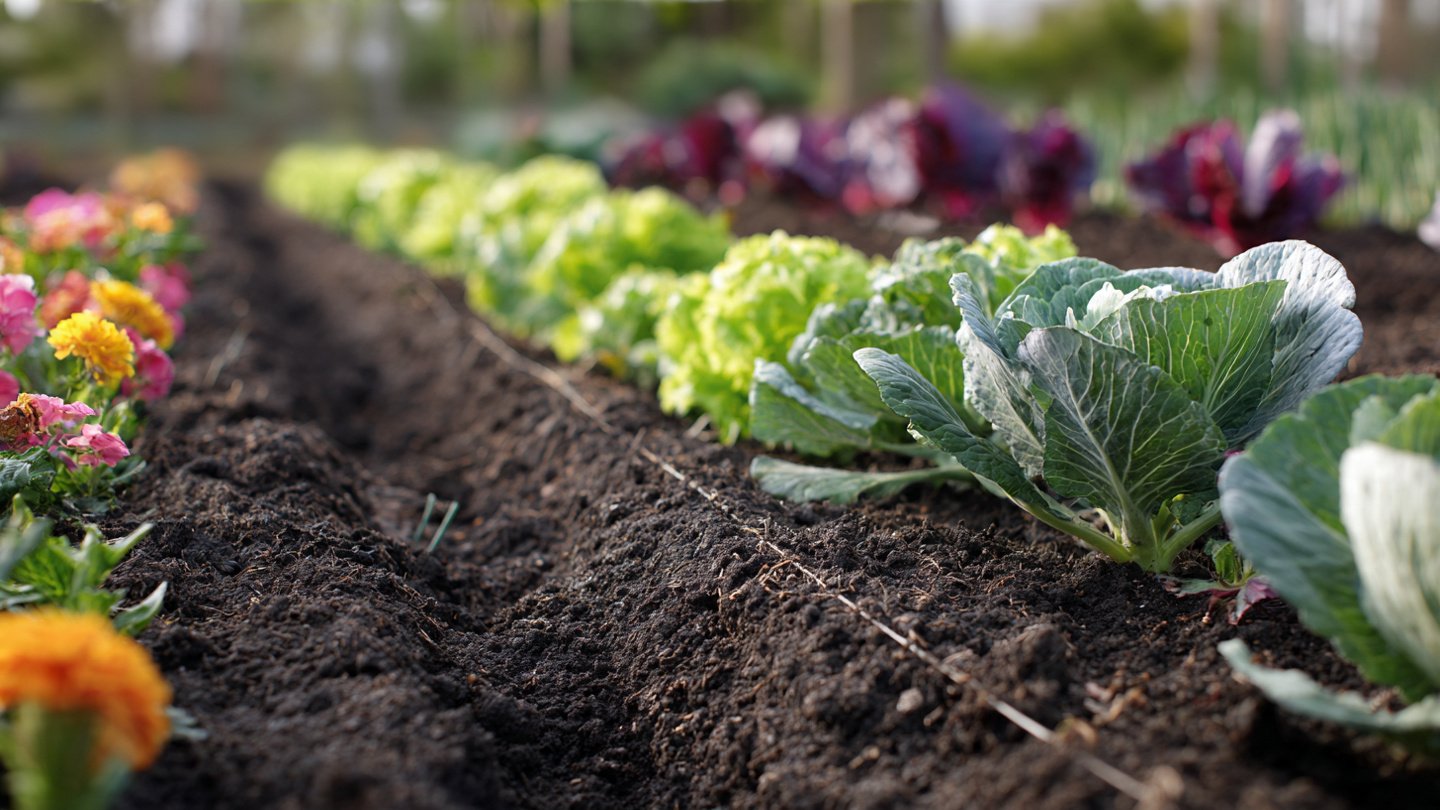
Soil health is a term that encompasses a variety of factors crucial not only for gardening success but for the broader ecosystem. Many gardeners often misunderstand soil health, thinking that simply adding fertilizers or compost is sufficient for fostering plant growth. However, soil health involves a complex interplay of physical, chemical, and biological properties. This article aims to clarify these misconceptions and emphasize the role that proper soil health plays in gardening success.
The Foundation of Soil Health
To truly appreciate soil health, it’s important to understand its foundational components:
Latest Posts
- With Just 1 Bottle of Water How I Was Shocked by What Happened When Growing Vegetables
- Maximize Your Home Garden with the Hanging Pea Sprout Growing Model – Space-Saving, High-Yield, and Easy-to-Manage Vertical Gardening Solution
- Just Water – The Secret to Growing Plump, White Peanut Sprouts Right at Home: A Step-by-Step Guide for Beginners
- Growing Zucchini at Home in a Container: How to Cultivate Large, Long Fruits with a 1-to-72 Day Step-by-Step Diary for Maximum Yield
- Grow Long Beans on the Terrace in Used Recycling Baskets: The Ultimate Guide to Easy, Space-Saving, and High-Yield Terrace Gardening
- How to Grow Tons of Long Beans Easily Without a Garden – A Complete Guide to Growing Healthy Yardlong Beans Without Fertilizers or Pesticides
- Easy Long Bean Growing Trick – No Garden, No Fertilizer, No Pesticide
- Grow Bitter Melon in Bottles — Harvest So Big You Can’t Eat It All! The Ultimate Guide to Bottle Gardening for Maximum Yields
- Growing Garlic Made Easy: No Soil, Fast Results – The Ultimate Guide to Growing Fresh Garlic Indoors Without Traditional Soil
- Wall-Mounted Hydroponic Watermelon System: Grow Large, Juicy, and Delicious Watermelons at Home with Minimal Space and Maximum Yield
- Soil Composition: Soil is made up of minerals, organic materials, air, and water. The proportions of these components can greatly influence soil fertility.
- Microbial Life: Millions of microorganisms live within the soil, playing crucial roles such as decomposing organic matter, fixing nitrogen, and enhancing soil structure.
- Soil Structure: The arrangement of soil particles affects aeration and water retention. Well-structured soil promotes root growth and healthier plants.
Misconceptions about Soil Health
Many misconceptions exist regarding soil health, which can lead to ineffective gardening practices. Here are some common misunderstandings:

1. Only Fertilizers Matter
While fertilizers provide essential nutrients, they do not improve the fundamental health of the soil. Over-reliance on synthetic fertilizers can lead to nutrient imbalances and soil degradation. The use of organic amendments, such as compost or mulch, can enhance soil quality over the long term.
2. Soil is Just Dirt
This is perhaps the most widespread misconception. Soil is not merely a substrate for plants but a living ecosystem that supports various organisms. Healthy soil contains a diverse community of microbes, earthworms, and fungi that contribute to nutrient cycling and disease suppression.
3. Tilling is Always Beneficial
Tilling is often seen as a method to improve soil aeration and prepare seedbeds. However, excessive tilling can disrupt the soil structure and harm beneficial organisms. No-till gardening practices can help maintain soil integrity while promoting healthier ecosystems.
4. pH is the Sole Indicator of Soil Health
While pH is critical for nutrient availability, other factors such as soil texture, organic matter content, and microbial activity are equally important. A holistic view of soil health requires considering these diverse factors.
The Importance of Soil Structure

The physical arrangement of soil particles (soil structure) plays a significant role in gardening success. Well-structured soil allows for adequate aeration and water retention, facilitating healthy root development. Compacted or poorly structured soil can hinder plant growth by restricting root expansion and limiting access to nutrients and water.
Biological Aspects of Soil Health
Healthy soil is teeming with life, and many microorganisms are vital for nutrient cycling. Some key biological aspects include:
- Beneficial Bacteria: These microorganisms help decompose organic materials, making nutrients available for plants.
- Mycorrhizal Fungi: These fungi form symbiotic relationships with plant roots, enhancing water and nutrient uptake.
- Earthworms: Known as “nature’s tillers,” earthworms help aerate the soil and enhance organic matter decomposition.
Improving Soil Health
Improving soil health involves various practices aimed at enhancing its structure, fertility, and biological activity. Here are some effective strategies:
1. Add Organic Matter

Incorporating compost, well-rotted manure, or other organic matter improves soil structure, enhances nutrient availability, and promotes microbial activity.
2. Practice Crop Rotation
Rotating different crops can help prevent soil nutrient depletion and reduce pest and disease cycles. This practice also promotes biodiversity and can enhance soil health.
3. Cover Crops
Planting cover crops during off-seasons can help prevent soil erosion, suppress weeds, and add organic matter when tilled back into the soil.
4. Limit Soil Disturbance
Reducing tillage and soil disturbance preserves soil structure and protects beneficial microbial communities.
Understanding Soil Testing
Soil testing is a crucial step in understanding soil health. A soil test reveals information about nutrient levels, pH, and organic matter content. Armed with this knowledge, gardeners can make informed decisions about amendments and management practices.

Integrating Soil Health into Gardening
Successfully integrating soil health practices into gardening involves not just knowledge but also a commitment to sustainability. Healthy soil leads to robust plants that are more resilient to pests and diseases. This approach helps reduce reliance on chemical interventions, promoting an eco-friendly gardening environment.
Conclusion
Understanding soil health is fundamental to successful gardening. By moving past common misconceptions and embracing a holistic view of soil health, gardeners can create productive and sustainable gardens. Healthy soil fosters a thriving ecosystem that benefits plants, humans, and the environment. By being proactive in improving soil health, you can enjoy a richer harvest and contribute positively to the ecosystem.
FAQs
1. What is the best way to test soil health?
Conducting a soil test through a local agricultural extension office or a commercial laboratory is the best method. This will provide detailed information on nutrient levels and pH.
2. How often should I test my soil?
It’s advisable to test your soil every 3-5 years, or more frequently if you notice changes in plant health or growth.

3. Can I improve my soil health without using chemicals?
Absolutely! You can improve soil health naturally through practices such as adding organic matter, crop rotation, and cover cropping.
4. What are cover crops, and why are they important?
Cover crops are plants grown during the off-season to prevent soil erosion, improve nutrient cycling, and enhance soil structure. They are essential for maintaining soil health and fertility.
5. Why is soil structure important for gardening?
Soil structure influences water retention, aeration, and root growth. Good soil structure allows plants to access nutrients and moisture, leading to healthier growth.