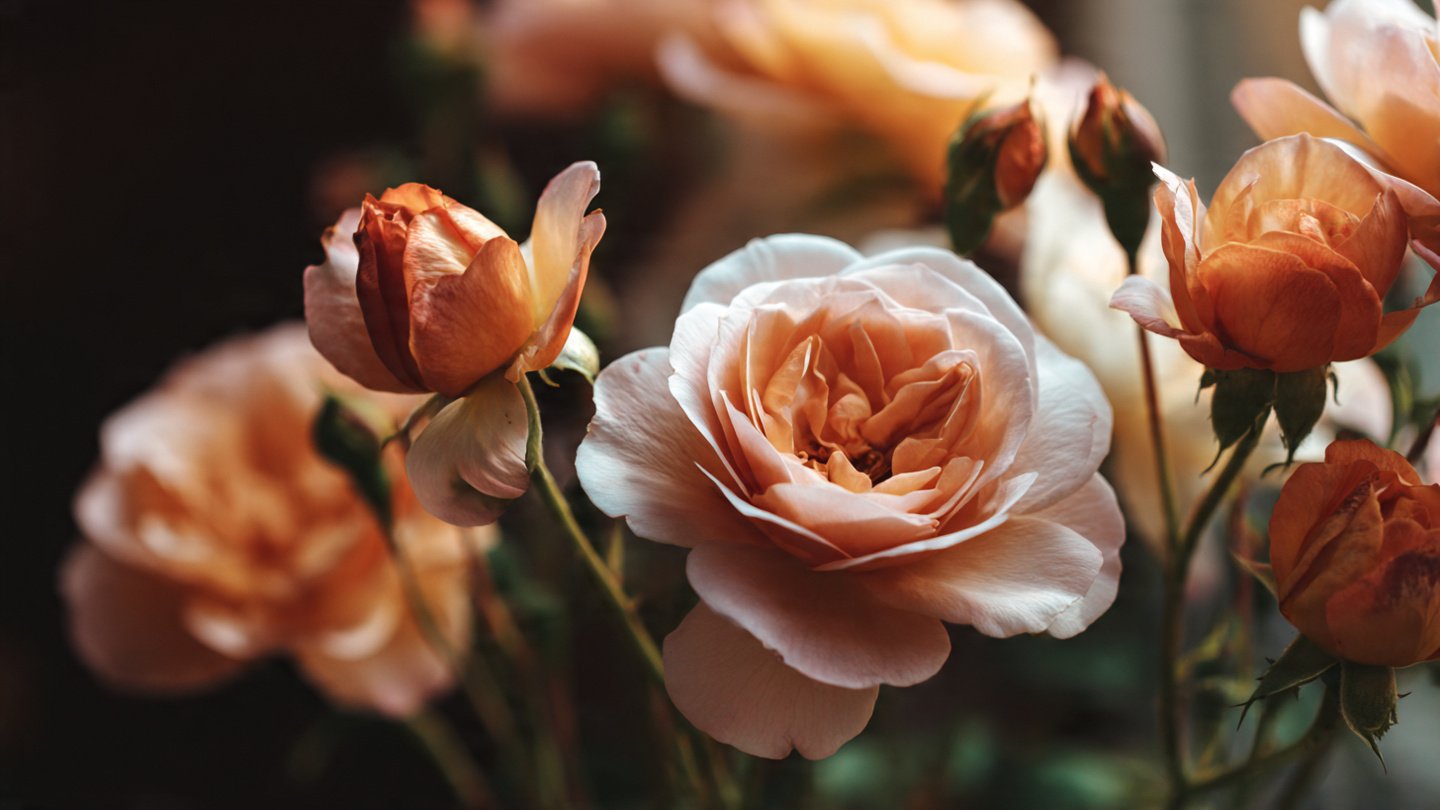
Growing roses from seeds is a rewarding journey that takes time and patience. While many opt to propagate roses through cuttings or grafting, starting from seeds allows for unique, sometimes unexpected variations and the chance to develop new cultivars. Here’s a comprehensive guide to successfully growing roses from seeds.
Understanding Rose Seeds
Rose seeds are contained within the rose hips, the fruit of the rose plant. Each seed is a potential new rose bush, but understanding the seeds’ biology and germination requirements is crucial to success.
Types of Roses for Seed Germination
Before starting, consider which type of roses you want to grow. Here are a few popular choices:
- Hybrid Tea Roses: Known for their large, fragrant blooms.
- Floribunda Roses: These produce clusters of flowers.
- Climbing Roses: Utilize vertical space and are great for trellises.
- Old Garden Roses: Often hardy and fragrant, preferred for heirloom traits.
Collecting and Preparing Seeds
- Harvesting Rose Hips:
- Choose fully ripe rose hips, typically found on plants in autumn. They should be plump and have turned from green to reddish or orange.
- Wear gloves, as rose thorns can be sharp. Use scissors to avoid damage to the plant.
- Extracting Seeds:
- Cut the hips open to reveal the seeds. You may find many seeds within each hip.
- Rinse the seeds lightly in water to remove any pulp and debris.
- Drying the Seeds:
- Spread the seeds on a paper towel and let them dry in a cool, dark place for a week.
Stratification: The Key to Germination
Many rose seeds require cold stratification to germinate, mimicking winter conditions.
- Refrigeration Method:
- Mix the seeds with moist peat moss or sand.
- Place the mixture in a plastic bag or container and refrigerate it for 30 to 60 days.
- Ensure the medium stays moist but not overly wet.
- Natural Stratification:
- Alternatively, plant the seeds outdoors in the fall. They will undergo natural cold stratification through winter and begin to sprout in spring.
Planting the Seeds
Once the stratification process is complete, it’s time to plant your seeds.
Latest Posts
- With Just 1 Bottle of Water How I Was Shocked by What Happened When Growing Vegetables
- Maximize Your Home Garden with the Hanging Pea Sprout Growing Model – Space-Saving, High-Yield, and Easy-to-Manage Vertical Gardening Solution
- Just Water – The Secret to Growing Plump, White Peanut Sprouts Right at Home: A Step-by-Step Guide for Beginners
- Growing Zucchini at Home in a Container: How to Cultivate Large, Long Fruits with a 1-to-72 Day Step-by-Step Diary for Maximum Yield
- Grow Long Beans on the Terrace in Used Recycling Baskets: The Ultimate Guide to Easy, Space-Saving, and High-Yield Terrace Gardening
- How to Grow Tons of Long Beans Easily Without a Garden – A Complete Guide to Growing Healthy Yardlong Beans Without Fertilizers or Pesticides
- Easy Long Bean Growing Trick – No Garden, No Fertilizer, No Pesticide
- Grow Bitter Melon in Bottles — Harvest So Big You Can’t Eat It All! The Ultimate Guide to Bottle Gardening for Maximum Yields
- Growing Garlic Made Easy: No Soil, Fast Results – The Ultimate Guide to Growing Fresh Garlic Indoors Without Traditional Soil
- Wall-Mounted Hydroponic Watermelon System: Grow Large, Juicy, and Delicious Watermelons at Home with Minimal Space and Maximum Yield
- Choosing Containers:
- Use seed-starting trays or small pots with drainage holes.
- Sterilize the containers to prevent fungal diseases.
- Soil Preparation:
- Use a lightweight seed-starting mix with good drainage.
- Fill the containers, leaving about half an inch of space at the top.
- Sowing the Seeds:
- Plant the seeds about a quarter of an inch deep. Cover lightly with soil.
- Water gently to ensure the soil is moist but not soggy.
Providing the Right Conditions
Light
- Roses prefer full sunlight. Place the containers in a location that receives at least 6 hours of light daily. If indoors, consider using fluorescent or LED grow lights.
Temperature
- Ideal germination temperatures range from 65°F to 75°F (18°C to 24°C).
- Use a heat mat if necessary, especially if sowing during cold months.
Watering
- Keep the soil consistently moist but avoid waterlogged conditions.
- Using a spray bottle to water can prevent disturbing the seeds and soil.
Germination and Beyond
With the right conditions, rose seeds typically germinate within 2 to 8 weeks.
Thinning Seedlings
Once the seedlings have their first true leaves, thin them to prevent overcrowding. This usually involves snipping the weaker seedlings at the soil line, leaving the healthiest to grow.
Transplanting
When seedlings reach around 3 to 4 inches tall and have a strong root system, it’s time to transplant them into larger pots.
- Timing:
- Transplant in early spring or when outdoor conditions are favorable.
- Process:
- Carefully remove the seedling from its pot, keeping the root ball intact.
- Plant in a larger pot with fresh potting soil, ensuring the same soil depth.
Caring for Your Roses
Fertilization
- After a month of transplanting, start feeding your roses with a balanced fertilizer (like 10-10-10) every 4-6 weeks during the growing season.
Pruning
- Regularly prune to encourage bushier growth and remove any dead or diseased leaves.
Pest and Disease Management
- Keep an eye out for pests like aphids or spider mites. Use insecticidal soap if necessary.
- Ensure good air circulation around your roses to prevent fungal diseases.
Hardening Off
Before permanently moving your roses outdoors, gradually acclimatize them to outdoor conditions over a week. Start by placing them outside for a few hours a day, gradually increasing their exposure.
FAQs
Q1: How long does it take for rose seeds to bloom?
A1: Generally, roses grown from seeds can take anywhere from 6 months to 3 years to bloom, depending on the variety and growing conditions.
Q2: Can I grow roses from store-bought seeds?
A2: Yes, but ensure that they are fresh and sourced from a reputable supplier, as success rates can vary significantly.
Q3: What is the best time of year to plant rose seeds?
A3: Late winter to early spring is ideal. For those opting for natural stratification, sowing in the fall is recommended.
Q4: Do all rose seeds need stratification?
A4: Most rose seeds benefit from a period of cold stratification. However, some species may germinate without this treatment.
Q5: How can I tell if my rose seeds are viable?
A5: Viable seeds are typically plump and firm. A simple float test can help—place seeds in water; viable seeds will sink.
Conclusion
Growing roses from seeds is a labor of love that requires patience and attention to detail. With the right techniques from seed collection to transplanting, you’ll embark on a journey that offers unique rewards. Whether for personal satisfaction or to share with friends, nurturing your own roses from seeds is an enriching experience that yields beautiful blooms for years to come. Happy gardening!