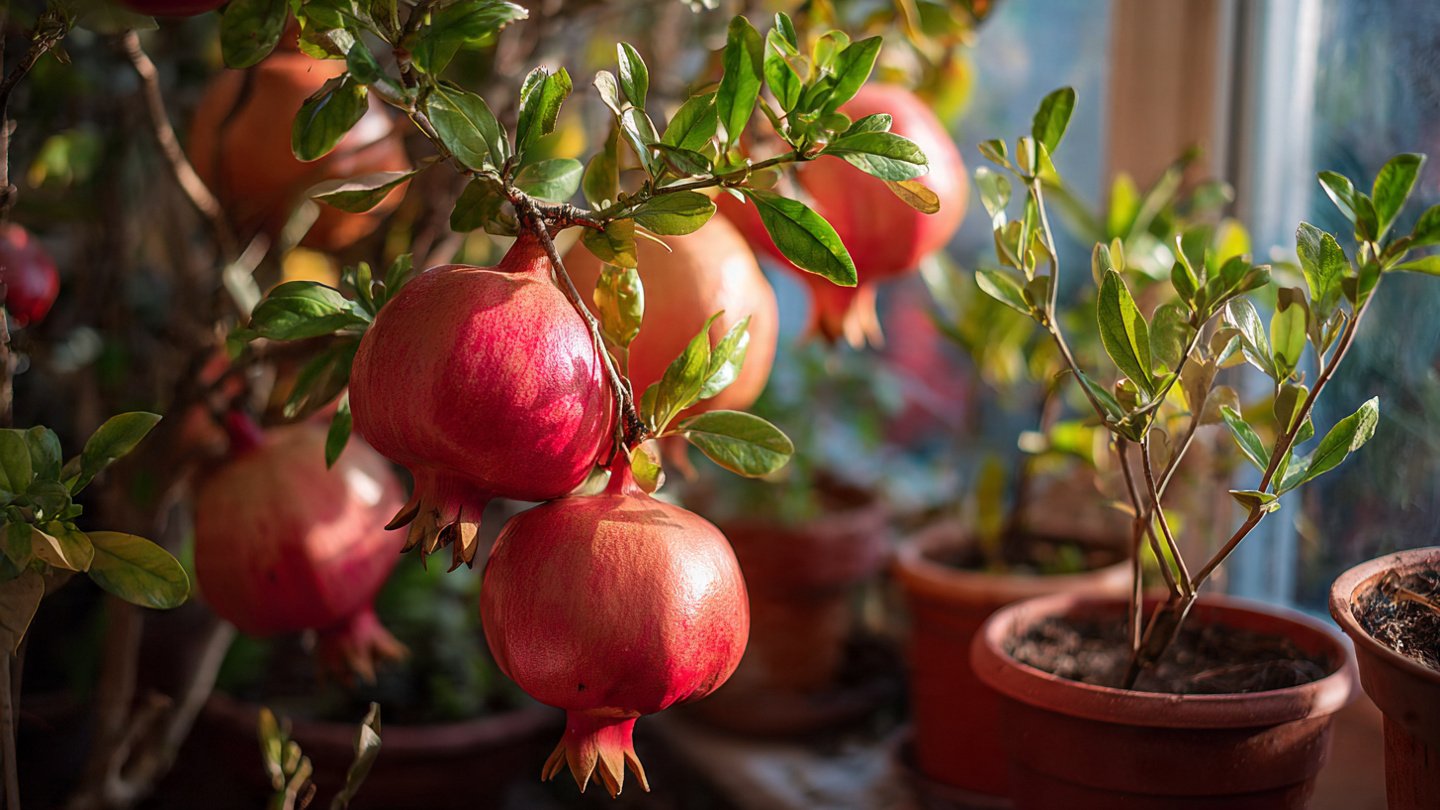
Growing pomegranates in containers is an excellent choice for urban gardeners or those with limited space. This article provides a comprehensive guide on successfully growing pomegranates in containers, ensuring vibrant growth and abundant fruit production.
Understanding Pomegranate Plants
The pomegranate (Punica granatum) is a hardy shrub or small tree native to regions of the Middle East and the Mediterranean. Known for its vibrant red fruit and ornamental flowers, pomegranates can add beauty and a splash of color to any urban garden. The plant generally grows between 3 to 10 feet tall, making the container option ideal for small spaces.
Latest Posts
- With Just 1 Bottle of Water How I Was Shocked by What Happened When Growing Vegetables
- Maximize Your Home Garden with the Hanging Pea Sprout Growing Model – Space-Saving, High-Yield, and Easy-to-Manage Vertical Gardening Solution
- Just Water – The Secret to Growing Plump, White Peanut Sprouts Right at Home: A Step-by-Step Guide for Beginners
- Growing Zucchini at Home in a Container: How to Cultivate Large, Long Fruits with a 1-to-72 Day Step-by-Step Diary for Maximum Yield
- Grow Long Beans on the Terrace in Used Recycling Baskets: The Ultimate Guide to Easy, Space-Saving, and High-Yield Terrace Gardening
- How to Grow Tons of Long Beans Easily Without a Garden – A Complete Guide to Growing Healthy Yardlong Beans Without Fertilizers or Pesticides
- Easy Long Bean Growing Trick – No Garden, No Fertilizer, No Pesticide
- Grow Bitter Melon in Bottles — Harvest So Big You Can’t Eat It All! The Ultimate Guide to Bottle Gardening for Maximum Yields
- Growing Garlic Made Easy: No Soil, Fast Results – The Ultimate Guide to Growing Fresh Garlic Indoors Without Traditional Soil
- Wall-Mounted Hydroponic Watermelon System: Grow Large, Juicy, and Delicious Watermelons at Home with Minimal Space and Maximum Yield
Varieties Suitable for Containers
Before diving into the specifics of container care, let’s explore some pomegranate varieties that are particularly well-suited for container growth:
- Wonderful: This is the most commonly grown variety, known for its sweet, juicy seeds and vibrant color.
- Angel Red: This variety produces bright red fruit with a sweeter taste and is more drought-resistant.
- Parfianka: Renowned for its flavorful seeds, this variety is also quite decorative with its pretty blooms.
- Nana: A dwarf variety ideal for pots, producing small fruits and flowers.
Choosing the Right Container
The first step in growing pomegranates in containers involves selecting an appropriate pot. Here are some considerations:
- Size: Choose pots that are at least 18-24 inches deep and wide. Pomegranates have extensive root systems and require adequate space.
- Material: Terracotta, ceramic, or plastic pots all work; however, ensure the material allows good drainage. Terracotta is breathable but may need more frequent watering, whereas plastic retains moisture well.
- Drainage: Ensure your container has drainage holes. Pomegranates do not like “wet feet,” which can lead to root rot.
Soil Requirements
Pomegranates thrive in well-draining soil. Here are some options:
- Soil Mix: A mix of potting soil and cactus mix is ideal. This combination ensures good drainage while retaining some moisture.
- pH Level: Aim for a slightly acidic to neutral pH (6.0 to 7.0) for optimal growth.
Planting Your Pomegranate
Once you have your container and soil ready, it’s time to plant your pomegranate:
- Timing: The best time to plant is in spring after the last frost. If you’re starting from seeds, soak the seeds for 24 hours before planting.
- Planting Depth: If you’re planting a nursery-bought pomegranate, dig a hole deep enough to accommodate the root ball. Ensure the top of the root ball is slightly above the soil line.
- Spacing: If using multiple containers, allow at least 2-3 feet between each plant for airflow and growth.
Watering and Maintenance
Pomegranates require moderate watering, but there are some crucial guidelines to follow:
- Watering Schedule: Water your pomegranate deeply every 1-2 weeks, depending on weather conditions. In summer, you may need to increase this frequency.
- Signs of Under or Over-Watering: Yellowing leaves may indicate over-watering, while drooping leaves may suggest under-watering. Adjust your schedule accordingly.
- Mulching: Applying a 2-inch layer of mulch on top of the soil can help retain moisture and suppress weeds.
Fertilizing Your Pomegranate
Pomegranates benefit from regular feeding, particularly during the growing season:
- Type of Fertilizer: Use a balanced fertilizer, preferably one that is organic. Look for formulations rich in potassium and phosphorus, as they help promote fruit development.
- Frequency: Fertilize every 4-6 weeks during the growing season (spring and summer). Reduce feeding in fall and winter.
Pruning and Shaping
Pruning your pomegranate plant is essential for maintaining shape and encouraging growth:
- When to Prune: Late winter to early spring before active growth begins is the best time to prune.
- How to Prune: Remove any dead or crossing branches. Aim for an open center for good air circulation, and shape the plant to a desirable form. Trimming back new growth encourages bushier plants.

Pest and Disease Management
Being vigilant about pests and diseases ensures healthy growth:
- Common Pests: Aphids, spider mites, and whiteflies can infest your pomegranates. Use insecticidal soap or neem oil to control their populations.
- Diseases: Root rot from overwatering and fungal issues can occur. Ensure good drainage and avoid high humidity around your plants.
Protecting from Extremes
Pomegranates can endure a range of temperatures, but protection may be necessary:
- Hot Weather: In extreme heat, provide some shade during the hottest part of the day to prevent leaf scorch.
- Cold Weather: Pomegranates are not frost-tolerant. Bring containers indoors or wrap them in frost cloth when temperatures drop below 30°F.
Harvesting Your Pomegranates
Knowing when to harvest is crucial for enjoying the best flavors:
- Timing: Pomegranates typically ripen in late summer to fall (around September to November).
- Indicators of Ripeness: Look for plump, red fruit. The skin should be shiny and firm with a slight give when pressed lightly.
- How to Harvest: Use pruning shears to cut the fruit from the branch, taking care to not damage the plant.
FAQs
1. Can I grow pomegranates indoors?
Yes, pomegranates can be grown indoors if they receive plenty of sunlight (6-8 hours per day). Choose a sunny window or supplement with grow lights.
2. How often should I fertilize my pomegranate?
Fertilize your pomegranate every 4-6 weeks during the growing season, reducing or stopping fertilization in the fall and winter.
3. Can I grow pomegranates from seeds?
Yes, you can grow pomegranates from seeds, but it may take longer for the plant to mature and produce fruit compared to starting with a nursery-bought seedling.
4. Do pomegranates need a pollinator?
Pomegranates are self-pollinating, but planting multiple plants can increase fruit yield and quality.
5. Why are my pomegranate leaves turning yellow?
Yellowing leaves can indicate over-watering or nutrient deficiencies. Assess your watering schedule and consider adding nutrients.
6. What size container do I need for a pomegranate tree?
Choose a container that is at least 18-24 inches deep and wide to accommodate the extensive root system of pomegranate plants.
7. How do I prevent pests on my pomegranate?
Regular monitoring is essential. Use insecticidal soap or neem oil to manage pest infestations, and keep the area around your plant clean to discourage pests.
Conclusion
Growing pomegranates in containers is a rewarding venture whether you live in an apartment with limited space or have a cozy urban garden. By following the guidelines on choosing the right containers, soil preparation, watering, fertilizing, and maintaining your plants, you can enjoy the beauty of this fruit-bearing plant while also reaping the delectable rewards come harvest time. With the right care and attention, your container-grown pomegranates will thrive, adding both aesthetic appeal and delicious fruit to your living space.