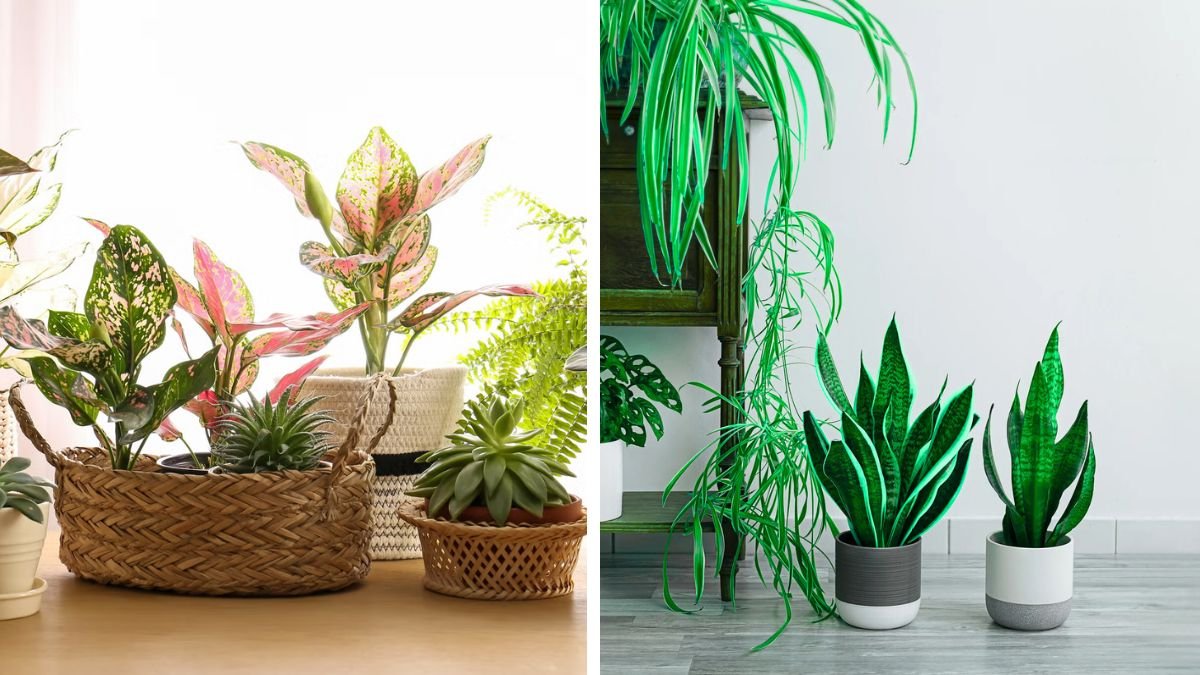
Indoor plants can transform any space into a vibrant, serene, and healthy environment. Whether you live in a small apartment or a large home, greenery can enhance your living space, improve air quality, and elevate your mood. For beginners, the idea of nurturing plants may seem daunting, but with the right knowledge and techniques, anyone can successfully cultivate a thriving indoor garden. This article will guide you through everything you need to know to grow indoor plants and create a lush home environment.
Choosing the Right Plants
1. Assess Your Space
Latest Posts
- With Just 1 Bottle of Water How I Was Shocked by What Happened When Growing Vegetables
- Maximize Your Home Garden with the Hanging Pea Sprout Growing Model – Space-Saving, High-Yield, and Easy-to-Manage Vertical Gardening Solution
- Just Water – The Secret to Growing Plump, White Peanut Sprouts Right at Home: A Step-by-Step Guide for Beginners
- Growing Zucchini at Home in a Container: How to Cultivate Large, Long Fruits with a 1-to-72 Day Step-by-Step Diary for Maximum Yield
- Grow Long Beans on the Terrace in Used Recycling Baskets: The Ultimate Guide to Easy, Space-Saving, and High-Yield Terrace Gardening
- How to Grow Tons of Long Beans Easily Without a Garden – A Complete Guide to Growing Healthy Yardlong Beans Without Fertilizers or Pesticides
- Easy Long Bean Growing Trick – No Garden, No Fertilizer, No Pesticide
- Grow Bitter Melon in Bottles — Harvest So Big You Can’t Eat It All! The Ultimate Guide to Bottle Gardening for Maximum Yields
- Growing Garlic Made Easy: No Soil, Fast Results – The Ultimate Guide to Growing Fresh Garlic Indoors Without Traditional Soil
- Wall-Mounted Hydroponic Watermelon System: Grow Large, Juicy, and Delicious Watermelons at Home with Minimal Space and Maximum Yield
Before selecting plants, consider the following:
-
Light Conditions: Observe the natural light your space receives. Does it face north or south? Are there obstructions like tall buildings or trees? Knowing whether you have low, medium, or bright light will help you choose the right plants.
-
Humidity Levels: Some plants thrive in humid conditions, while others prefer drier air. Assess the humidity in your home, which can be influenced by heating, air conditioning, and kitchen or bathroom usage.
-
Temperature Range: Most indoor plants prefer temperatures between 60°F to 75°F. Extreme fluctuations can stress them.
2. Select Beginner-Friendly Plants
For a successful start, begin with plants that are resilient and easy to care for. Here are some excellent options:
-
Snake Plant (Sansevieria): Not only is it beautiful, but it also tolerates low light and irregular watering.
-
Pothos: This trailing vine can thrive in various light conditions and can be easily propagated.
-
Spider Plant (Chlorophytum comosum): Known for its air-purifying qualities, it grows well in indirect light.
-
ZZ Plant (Zamioculcas zamiifolia): Extremely low-maintenance and drought-resistant.
-
Peace Lily (Spathiphyllum): Offers beautiful blooms and can tolerate low light; it will droop to let you know when it needs watering.

Essential Indoor Plant Care Tips
1. Watering Wisely
Overwatering is one of the most common mistakes beginners make. Here are some tips to prevent this:
-
Wait for the Soil to Dry: Before watering, stick your finger about an inch into the soil. If it feels dry, it’s time to water.
-
Use Proper Drainage: Ensure pots have drainage holes to allow excess water to escape. Using a well-draining potting mix also aids in preventing root rot.
-
Water Consistently: Establish a watering routine based on each plant’s needs. During warmer months, plants may require more frequent watering.
2. Understanding Light Requirements
Different plants have varying needs for light. Here’s how to meet these requirements:
-
Bright, Direct Light: Ideal for succulents and cacti. Position them near south-facing windows.
-
Indirect Light: Perfect for most tropical plants like pothos and peace lilies. Position them a few feet away from a bright window.
-
Low Light: Snake plants and ZZ plants can thrive in minimal light conditions, making them suitable for darker corners of your home.
3. Fertilizing Your Plants
Plants require nutrients to grow healthily. Here’s how to fertilize effectively:
-
Choose the Right Fertilizer: Liquid fertilizers can be mixed with water and applied during the growing season (spring and summer). Look for balanced fertilizers labeled as “10-10-10.”
-
Frequency: Feed once a month during the growing season and every 6-8 weeks in the fall and winter when plant growth slows.
4. Pruning and Grooming
Regular maintenance will keep your plants healthy and looking their best:
-
Remove Dead Leaves: Cutting away yellow or dead leaves helps prevent disease and encourages new growth.
-
Trim Overgrowth: For bushy plants, prune to maintain an attractive shape and encourage fullness.
-
Dust Leaves: Wipe leaves gently with a damp cloth to remove dust, which can inhibit photosynthesis.
5. Pest Management
Pests can be a challenge for indoor gardeners. Here are ways to deal with them:
-
Inspect Regularly: Regularly check your plants for signs of common pests like spider mites, aphids, and mealybugs.

-
Use Organic Solutions: Insecticidal soap or neem oil can effectively manage pests. Spray affected areas and follow up with regular checks.
-
Keep Plants Healthy: A healthy plant is less prone to pests, so maintain good care practices.
Creating a Lush Indoor Environment
1. Grouping Plants
Plants often thrive better together. Here’s why:
-
Microclimates: Grouping plants can create a more humid microclimate that some species prefer.
-
Visual Impact: A cluster of plants can create a stunning focal point and adds depth to your space.
2. Choosing the Right Pots
The right pots can add to the aesthetic of your plants:
-
Material: Choose pots that complement your home decor. Ceramic pots are stylish but heavier. Plastic pots are lighter and easier to handle.
-
Size: Ensure pots are adequately sized for the plants. A pot too small may stunt growth, while one too large may lead to overwatering.
3. Incorporating Different Heights
Using plants of varying heights can create visual intrigue:
-
Tall Plants: Place larger plants like fiddle leaf figs in corners or next to furniture to add height.
-
Medium Plants: Use medium plants like peace lilies on tables or stands to draw the eye upward.
-
Trailing Plants: Hang pothos or string of pearls in macramé hangers to add life to higher spaces.
4. Decorating with Plants
Integrate plants into your home decor for a cohesive look:
-
Bookshelves: Place smaller plants on bookshelves for added interest.
-
Windowsills: Use the sunniest window areas for herb gardens or flowering plants.
-
Bouquets: Cut pieces from your plants or incorporate fresh flowers for temporary arrangements.
5. Seasonal Changes
Adjust your plant care routine with the seasons:
-
Winter Care: Reduce watering frequency as many plants enter dormancy.
-
Summer Care: Increase watering and consider moving plants outdoors if the climate permits.
Frequently Asked Questions (FAQs)
1. How often should I water my indoor plants?
It depends on the type of plant, the potting soil, and the environment. As a rule of thumb, check the soil moisture about once a week. Water when the top inch of soil is dry.
2. What is the best way to choose a location for my plants?
Assess the natural light available in your home and select plants according to their light requirements. Observe the space throughout the day to understand sun patterns.
3. Why are the leaves of my plant turning yellow?
Yellow leaves can indicate overwatering, underwatering, or poor light conditions. Check the soil moisture and adjust care accordingly.
4. How do I know if my plant is getting enough light?
If a plant is reaching toward the light, showing leggy growth, or losing leaves, it may need more light. Conversely, if it’s turning yellow, it might be getting too much direct sunlight.
5. Can I propagate my houseplants?
Yes! Many indoor plants can be propagated through cuttings placed in water or soil. Research the propagation method for your specific plant to ensure success.
Conclusion
Growing indoor plants is an enriching hobby that beautifies your home and enhances well-being. With the proper plant choice, care methods, and creative design, beginners can cultivate a lush indoor environment. Embrace the beauty of nature indoors, and soon you’ll be contentedly surrounded by thriving greenery that nurtures your mind and spirit. Happy planting!