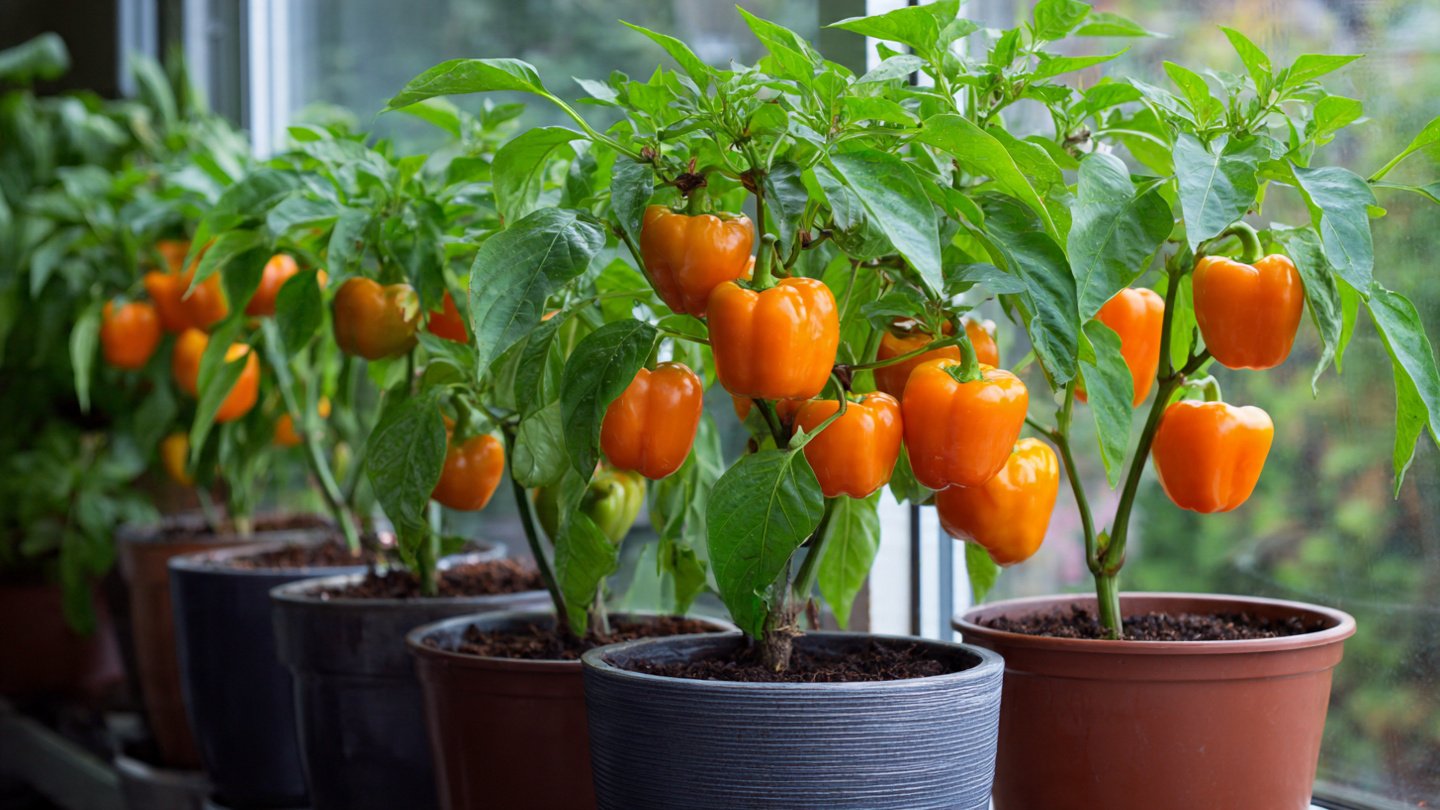
Growing bell peppers at home is a rewarding endeavor, especially when you consider the vibrant colors and rich flavors these vegetables can add to your dishes. Container gardening allows those with limited space—such as apartment dwellers or homeowners with small yards—to cultivate their own food. Here, we’ll dive into the best practices for growing bell peppers in containers, ensuring the maximum flavor and yield.
Why Grow Bell Peppers in Containers?
Benefits of Container Gardening
Latest Posts
- With Just 1 Bottle of Water How I Was Shocked by What Happened When Growing Vegetables
- Maximize Your Home Garden with the Hanging Pea Sprout Growing Model – Space-Saving, High-Yield, and Easy-to-Manage Vertical Gardening Solution
- Just Water – The Secret to Growing Plump, White Peanut Sprouts Right at Home: A Step-by-Step Guide for Beginners
- Growing Zucchini at Home in a Container: How to Cultivate Large, Long Fruits with a 1-to-72 Day Step-by-Step Diary for Maximum Yield
- Grow Long Beans on the Terrace in Used Recycling Baskets: The Ultimate Guide to Easy, Space-Saving, and High-Yield Terrace Gardening
- How to Grow Tons of Long Beans Easily Without a Garden – A Complete Guide to Growing Healthy Yardlong Beans Without Fertilizers or Pesticides
- Easy Long Bean Growing Trick – No Garden, No Fertilizer, No Pesticide
- Grow Bitter Melon in Bottles — Harvest So Big You Can’t Eat It All! The Ultimate Guide to Bottle Gardening for Maximum Yields
- Growing Garlic Made Easy: No Soil, Fast Results – The Ultimate Guide to Growing Fresh Garlic Indoors Without Traditional Soil
- Wall-Mounted Hydroponic Watermelon System: Grow Large, Juicy, and Delicious Watermelons at Home with Minimal Space and Maximum Yield
- Space Efficiency: Ideal for small spaces like patios or balconies.
- Soil Control: You can choose the right soil mix for optimal growth.
- Ease of Mobility: You can move pots to take advantage of sunlight or avoid harsh weather conditions.
- Pest Management: Containers can make it easier to monitor and control pests.
Ideal Container Size and Type
Choose a pot that is at least 5 gallons in size. This provides enough room for the roots to develop. Terra cotta, ceramic, and plastic pots can all work, but ensure there are drainage holes to prevent waterlogging.
Selecting the Right Varieties
Not all bell pepper varieties are created equal. Here are some popular options suitable for container gardening:
- California Wonder: Classic bell pepper with sturdy plants and generous yields.
- Bell Boy: Compact variety that offers high yields, perfect for smaller containers.
- Mini Bell Peppers: These smaller varieties are great for snacking and take less space.
Choose varieties based on your taste preference and local climate.
Preparing the Soil
Ideal Soil Composition
Bell peppers thrive in well-draining, nutrient-rich soil. A mix of the following ingredients is optimal:
- Potting Mix: Use high-quality potting soil designed for vegetables.
- Compost: Provides essential nutrients and improves drainage.
- Perlite or Vermiculite: Enhances aeration and drainage in the soil.
Mix these in a 2:1:1 ratio—two parts potting mix, one part compost, and one part perlite.
Soil pH
Bell peppers prefer a slightly acidic to neutral pH (around 6.0 to 6.8). You can test the pH using a home test kit and adjust it by adding lime or sulfur as needed.
Planting Bell Peppers
Timing
In most regions, you can start bell peppers indoors about 8-10 weeks before the last expected frost. Once the soil temperature reaches at least 65°F, you can transplant them outdoors.
Starting Seeds Indoors
- Containers: Use small pots or seed trays.
- Seed Depth: Plant seeds ¼-½ inch deep.
- Watering: Keep the soil consistently moist (not soggy).
- Light: Use grow lights or place seeds in a sunny window.
Transplanting Outdoors
When they’re around 4-6 inches tall, they can be transplanted into larger containers. Be sure to:
- Harden off the seedlings by gradually exposing them to outdoor conditions.
- Space plants at least 18 inches apart to allow for growth.
Care and Maintenance
Watering
Bell peppers need consistent moisture. Water deeply but infrequently. The soil should be kept moist but not soaked. A good rule of thumb is to water when the top inch of soil feels dry.
Fertilization
Feed your bell peppers with a balanced fertilizer (such as 10-10-10) every four to six weeks. Alternatively, you can use organic options like fish emulsion or compost tea.
Sunlight Requirements
Bell peppers love full sun, requiring at least 6-8 hours of direct sunlight daily. Ensure your containers are placed in the sunniest spot available.
Pruning and Supporting the Plants
As your plants grow, consider supporting them with stakes or cages, especially for taller varieties. Prune any yellowing or dead leaves to encourage airflow and healthy growth.
Pest and Disease Management
Common Pests
- Aphids: Small green bugs that suck plant juices. Control them with insecticidal soap or neem oil.
- Spider Mites: Look for fine webbing. Spray with water or insecticidal soap.
- Whiteflies: Tiny white bugs that can be controlled with sticky traps and insecticidal soap.
Diseases to Watch For
- Blossom End Rot: A common issue due to inconsistent watering. Ensure consistent moisture to prevent it.
- Powdery Mildew: Caused by high humidity. Promote airflow and avoid overhead watering.
Harvesting Bell Peppers
Bell peppers can be harvested at any stage, but for the best flavor, wait until they reach full size and color. They can be harvested when green, but many varieties will turn red, yellow, or orange for a sweeter taste.
To harvest:
- Use sharp scissors or pruning shears.
- Cut the pepper from the plant, leaving a small piece of stem attached.
Maximizing Flavor
For the best flavor, consider these tips:
- Companion Planting: Grow basil or marigolds nearby to ward off pests and enhance flavor.
- Proper Spacing: Provides adequate airflow, preventing diseases that can dampen flavor.
- Consistent Care: Regular watering, fertilizing, and pest management can lead to healthier, tastier fruit.
FAQs About Growing Bell Peppers in Containers
1. How often should I water my bell peppers in containers?
Water your bell peppers deeply when the top inch of the soil feels dry to the touch, usually every 2-3 days, depending on the weather.
2. What type of fertilizer should I use for bell peppers?
A balanced fertilizer (10-10-10) works well. Alternatively, organic options like compost tea or fish emulsion can also promote healthy growth.
3. How much sunlight do bell peppers need?
Bell peppers need full sun, requiring at least 6-8 hours of direct sunlight daily for optimal growth and flavor.
4. Can I grow bell peppers indoors?
Yes, you can grow bell peppers indoors using containers. Just ensure they receive plenty of sunlight or use grow lights.
5. What is causing my bell peppers to have blossom end rot?
Blossom end rot is usually a sign of inconsistent watering, leading to calcium deficiency. Ensure even watering and consider adding lime to the soil to boost calcium levels.
6. Can I grow multiple varieties of bell peppers in the same container?
It’s best to grow one variety per container for optimal growth. If you want to plant multiple varieties, ensure each has enough space (18 inches apart).
7. How can I tell when my bell peppers are ready to be harvested?
Bell peppers are ready to be harvested when they reach full size and color. If you prefer them sweeter, wait until they change to their mature color (red, yellow, or orange).
Conclusion
Growing bell peppers in containers is an excellent way for anyone to enjoy fresh, flavorful produce at home. By understanding their needs—from soil and water to sunlight and pests—you can create the perfect environment for your peppers to thrive. With a little care and attention, you’ll be rewarding yourself with a bountiful harvest of delicious, homegrown bell peppers that can elevate any dish. So start planting, and enjoy the journey from container to table!