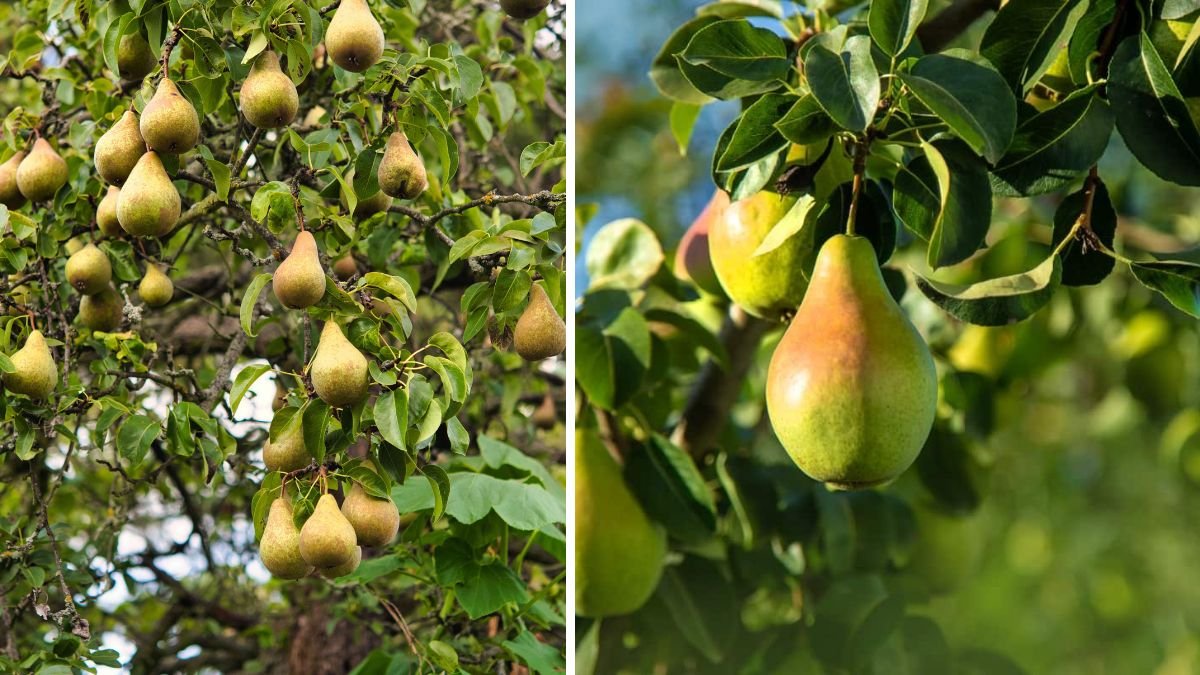
Growing a pear tree from seed can be a rewarding and fulfilling experience, allowing you to enjoy fresh, juicy pears harvested from your own backyard. While it requires patience and care, the process is straightforward when you follow the right steps. This guide will take you through each stage, from choosing the right seeds to the eventual harvest of delectable pears, along with a comprehensive FAQs section at the end.
1. Understanding Pear Varieties
Before diving into the growing process, it’s essential to choose the right variety of pear for your climate and preferences. Common varieties include:
Latest Posts
- With Just 1 Bottle of Water How I Was Shocked by What Happened When Growing Vegetables
- Maximize Your Home Garden with the Hanging Pea Sprout Growing Model – Space-Saving, High-Yield, and Easy-to-Manage Vertical Gardening Solution
- Just Water – The Secret to Growing Plump, White Peanut Sprouts Right at Home: A Step-by-Step Guide for Beginners
- Growing Zucchini at Home in a Container: How to Cultivate Large, Long Fruits with a 1-to-72 Day Step-by-Step Diary for Maximum Yield
- Grow Long Beans on the Terrace in Used Recycling Baskets: The Ultimate Guide to Easy, Space-Saving, and High-Yield Terrace Gardening
- How to Grow Tons of Long Beans Easily Without a Garden – A Complete Guide to Growing Healthy Yardlong Beans Without Fertilizers or Pesticides
- Easy Long Bean Growing Trick – No Garden, No Fertilizer, No Pesticide
- Grow Bitter Melon in Bottles — Harvest So Big You Can’t Eat It All! The Ultimate Guide to Bottle Gardening for Maximum Yields
- Growing Garlic Made Easy: No Soil, Fast Results – The Ultimate Guide to Growing Fresh Garlic Indoors Without Traditional Soil
- Wall-Mounted Hydroponic Watermelon System: Grow Large, Juicy, and Delicious Watermelons at Home with Minimal Space and Maximum Yield
- Bartlett Pears: Sweet and juicy, great for eating fresh.
- Bosc Pears: Firm and perfect for cooking and baking.
- Conference Pears: Crisp and sweet, excellent for fresh eating.
Research the best pear varieties suitable for your region’s climate and soil conditions. Consider whether you want a standard or dwarf variety, as dwarf trees are easier to manage and suitable for smaller gardens.
2. Collecting and Preparing Seeds
Once you’ve selected a pear variety, you can source seeds through several methods:
- Seed Purchase: Buy seeds from a trusted nursery or garden supplier.
- Open-Pollinated Fruits: Collect seeds from ripe pears. Ensure they are from a variety you enjoy.
Preparing the Seeds
Pear seeds require stratification to germinate effectively, mimicking natural winter conditions. Follow these steps:

-
Cleaning: If you are using seeds from a pear, clean them thoroughly under running water to remove any fruit flesh.
-
Drying: Dry the seeds on a paper towel for a couple of days to prevent mold during stratification.
-
Stratification: Place the seeds in a moist paper towel or sand in a plastic bag. Refrigerate for 60-90 days. This mimics the cold winter conditions the seeds need to germinate.
3. Planting the Seeds
After stratification, it’s time to plant the seeds.
Selecting a Planting Medium
Use a well-draining potting mix or seed-starting mix. Avoid regular garden soil, as it may not provide the right drainage.
Planting Process
-
Containers: Choose seed trays or small pots with drainage holes.
-
Planting: Fill containers with the potting mix, making small holes about 1 inch deep. Place one seed per hole and cover with soil.
-
Watering: Water the soil gently to moisten it without causing waterlogging.

Light and Temperature
Place the containers in a warm area with indirect sunlight. Keep the temperature between 65°F to 75°F (18°C to 24°C) for optimal germination.
Germination and Early Care
Seeds typically germinate in 2-6 weeks. Keep the soil lightly moist but not soggy. Once seedlings emerge, ensure they receive plenty of indirect light, ideally using grow lights if direct sunlight is scarce.
4. Transplanting Seedlings
Once seedlings have grown 3-4 inches tall and developed a few sets of true leaves, it’s time to transplant them.
Choosing the Right Time
Wait until the risk of frost has passed, generally in late spring.
Transplanting Steps
-
Preparation: Choose a location with well-drained soil and at least six hours of sunlight daily.
-
Spacing: Ensure you provide enough room between trees. Standard pear trees should be spaced 20-30 feet apart, while dwarf varieties require about 10-15 feet.
-
Planting: Dig a hole twice the size of the seedling’s root ball. Place the seedling in the hole, fill with soil, and water thoroughly.

5. Care and Maintenance
Proper care is crucial to the health and productivity of your pear tree.
Watering
- Young Trees: Water weekly, especially if there’s no rain. Ensure soil is consistently moist but not soggy.
- Established Trees: Water less frequently, around once every two weeks, allowing the top inch of soil to dry out between waterings.
Fertilizing
- Newly Transplanted Trees: Use a balanced, slow-release fertilizer in the spring.
- Established Trees: Fertilize in early spring with a nitrogen-rich fertilizer during the first two years. After that, a balanced fertilizer suffices.
Pruning
- Young Trees: Prune to shape the tree and remove any dead or damaged branches in late winter.
- Established Trees: Prune annually during dormancy to improve air circulation and remove crossing branches.
Pest and Disease Management
Regularly inspect your tree for signs of pests or diseases such as:

- Pear Psylla: Small bugs that affect leaf growth. Use insecticidal soap to control them.
- Fire Blight: A bacterial disease that can damage blossoms and fruit. Prune infected areas and apply appropriate fungicides.
6. Pollination
Pear trees often require cross-pollination for fruit production. If you’re planting only one tree, consider planting another compatible variety nearby. Some great pollinators for Bartlett include Bosc or D’Anjou.
7. Harvesting
When to harvest largely depends on the variety of pear you are growing. Generally, pears should be harvested when they’re mature but still firm. Here are some tips:
-
Timing: Harvest pears in late summer to early fall.
-
Testing for Ripeness: Pears ripen from the inside out. To check, gently press near the stem; if it gives slightly, it’s time to pick.
-
Picking: Carefully twist and lift the fruit from the tree. Avoid pulling, as this can damage the fruit or tree.
Conclusion
Growing a pear tree from seed to harvest is not only possible but also a gratifying experience, bringing the joy of homegrown fruit to your table. With proper care, attention, and patience, you can enjoy delicious pears for many years.
FAQs

Q1: How long does it take to grow a pear tree from seed?
It can take 3 to 5 years for pear trees grown from seed to bear fruit, depending on the variety and care.
Q2: Can I grow a pear tree in a pot?
Yes, dwarf pear varieties are suitable for pot cultivation. Ensure the pot is large enough (at least 10 gallons) and use high-quality potting soil.
Q3: Do I need two pear trees to produce fruit?
Most pear varieties require cross-pollination for good fruit production, so having at least two different varieties nearby is beneficial.
Q4: What pests are common in pear trees?
Common pests include pear psylla, aphids, and spider mites. Regular inspection and preventive measures can help control these pests.
Q5: When should I prune my pear tree?
Prune during late winter or early spring while the tree is dormant, focusing on removing dead or crossing branches and shaping the tree.
By following these steps and addressing common concerns, you can successfully grow a pear tree at home and enjoy an abundant harvest!