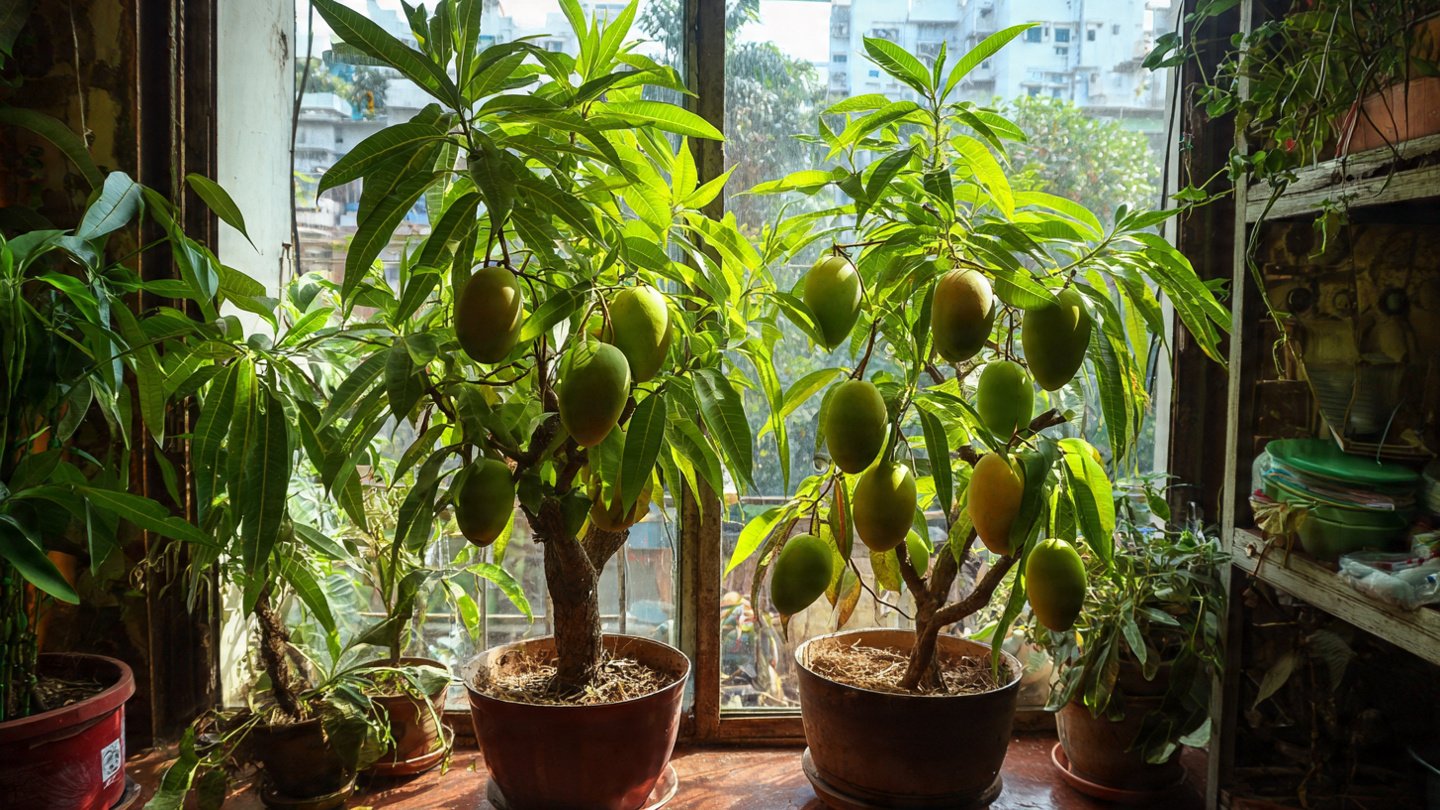
Growing mango plants in pots can be a rewarding endeavor, especially if you’re a fan of the sweet and succulent fruit. With the right care and conditions, you can cultivate mango plants even in limited spaces. This article will guide you through the process of growing mango plants in pots at home, covering everything from soil selection to care tips.
Choosing the Right Mango Variety
The first step to successfully growing mango plants in pots is selecting the right variety. Some mango varieties are better suited for container growth than others. Here are a few ideal choices:
- Coconut Cream: This variety produces small, sweet fruits and can thrive in pots.
- Julie: Known for its smooth texture and rich flavor, the Julie mango grows well in containers.
- Haden: A popular variety that can be grown in pots, producing medium to large-sized fruits.
Selecting the Right Pot
The pot you choose plays a crucial role in the health of your mango plant. Here are some factors to consider:
- Size: A pot should be at least 15-20 gallons for mature plants. Start with a smaller pot (about 5 gallons) when the plant is young and transfer it as it grows.
- Material: Terracotta or plastic pots are ideal. Terracotta allows for better aeration but can dry out quickly, while plastic retains moisture longer.
- Drainage: Ensure the pot has good drainage holes to prevent waterlogging, which can lead to root rot.
Soil Requirements
Mango plants prefer well-draining soil. A good mixture comprises:
- Native Soil: Use a good-quality potting mix as a base.
- Perlite or Sand: Add perlite or coarse sand for improved drainage.
- Organic Matter: Incorporate compost or well-rotted manure for nutrients.
A pH level between 5.5 and 7.5 is ideal for mango growth.
Latest Posts
- With Just 1 Bottle of Water How I Was Shocked by What Happened When Growing Vegetables
- Maximize Your Home Garden with the Hanging Pea Sprout Growing Model – Space-Saving, High-Yield, and Easy-to-Manage Vertical Gardening Solution
- Just Water – The Secret to Growing Plump, White Peanut Sprouts Right at Home: A Step-by-Step Guide for Beginners
- Growing Zucchini at Home in a Container: How to Cultivate Large, Long Fruits with a 1-to-72 Day Step-by-Step Diary for Maximum Yield
- Grow Long Beans on the Terrace in Used Recycling Baskets: The Ultimate Guide to Easy, Space-Saving, and High-Yield Terrace Gardening
- How to Grow Tons of Long Beans Easily Without a Garden – A Complete Guide to Growing Healthy Yardlong Beans Without Fertilizers or Pesticides
- Easy Long Bean Growing Trick – No Garden, No Fertilizer, No Pesticide
- Grow Bitter Melon in Bottles — Harvest So Big You Can’t Eat It All! The Ultimate Guide to Bottle Gardening for Maximum Yields
- Growing Garlic Made Easy: No Soil, Fast Results – The Ultimate Guide to Growing Fresh Garlic Indoors Without Traditional Soil
- Wall-Mounted Hydroponic Watermelon System: Grow Large, Juicy, and Delicious Watermelons at Home with Minimal Space and Maximum Yield
Planting Mango Seeds or Saplings
You can propagate mango plants from seeds or by purchasing saplings. Here’s how to do each:
Planting from Seed
- Extract the Seed: Cut the mango fruit and remove the seed. Rinse it to remove any pulp.
- Dry the Seed: Let the seed dry for a few days.
- Prepare the Seed: Carefully remove the hard outer shell.
- Soak: Soak the seed in water for 24 hours.
- Plant: Fill a small pot with the prepared soil mix. Plant the seed about 1 inch deep, water, and place it in a sunny spot.
Planting a Sapling
- Choose a Healthy Sapling: Look for a sapling that is 1-2 feet tall.
- Potting: Fill your pot with soil and create a hole deep enough for the roots.
- Transplanting: Carefully remove the sapling from its nursery pot and transplant it into your chosen pot, ensuring that the root system is well spread.
- Watering: Water it thoroughly after planting.
Care Tips for Mango Plants in Pots
Watering
Mango plants like soil that is moist but not soggy. Water the plant when the top inch of soil feels dry. In winter, reduce watering as the plant may go somewhat dormant.
Sunlight
Mango plants require full sunlight for at least 6-8 hours a day. Place your pot in a sunny area or use grow lights if you are growing them indoors.
Temperature
Mango trees thrive in warm temperatures. Ideally, they prefer temperatures between 70°F to 100°F (21°C to 38°C). Protect your plants from frost, as it can damage the leaves.
Fertilization
Use a balanced fertilizer (with an N-P-K ratio of 6-6-6 or similar) regularly during the growing season. Start fertilizing about two months after planting and continue every 4-6 weeks.
Pruning
Pruning helps maintain the plant’s size and encourages bushier growth. Trim away any dead or diseased branches, and pinch back new growth to promote branching.
Pest and Disease Management
Mango plants can be susceptible to pests such as aphids, spider mites, and mealybugs. Regularly inspect your plants and treat any infestations with insecticidal soap or neem oil.
Root rot can be a concern, especially in pots. Ensure proper drainage, and only water the plant when necessary to prevent this issue.
Harvesting Mangoes
If you successfully grow a mango plant from seed, you may have to wait 4-6 years to see fruit. If you’re planting a grafted sapling, expect fruits within 2-3 years. Harvest when the mangoes have turned golden yellow and emit a sweet aroma.
FAQs
1. How often should I water my mango plant in a pot?
Water when the top inch of soil is dry. In general, this could be once a week, but adjust based on your climate and the season.
2. Can I grow mango plants indoors?
Yes, you can grow mango plants indoors as long as they receive plenty of sunlight—at least 6-8 hours a day.
3. What is the best time to plant mango seeds or saplings?
The best time to plant mango seeds or saplings is in spring when the temperatures are warmer.
4. Do I need to pollinate mango flowers?
Mangoes are typically self-pollinating, but gently shaking the plant or using a small brush can help ensure better fruit set.
5. How can I prolong fruit production?
To encourage ongoing fruit production, ensure regular pruning, fertilization, and appropriate watering. Keep an eye on pests and diseases, addressing any issues promptly.
Conclusion
Growing mango plants in pots at home can be an enjoyable and fruitful hobby. With the right selection of varieties, pots, soil, and care, you can cultivate this tropical delight even in small spaces. Whether you start from seed or a sapling, remember to be patient, as your mango plant may take a few years to bear fruit. Happy gardening!